
Trusted Care for International Patients

Stem Cell Therapy in India — Advanced Care, Honest Guidance

HealPassage connects patients from around the world with experienced stem cell specialists and accredited hospitals across India — with transparent pricing, dedicated case coordination, and support from your first enquiry to your recovery back home.
Accredited Partner Hospitals
Transparent Cost Estimates
Personal Patient Coordinator
Stem Cell Therapy in India
60–80%
Reported success rate across treated conditions
15+
Partner cities & hospital networks in India
Understanding the Treatment

What Is Stem Cell Therapy?

Before looking at costs or choosing a hospital, it helps to understand what stem cells actually do — and why doctors use them to treat such a wide range of conditions.

The Body's Own Repair System

Stem cells are unique because they can do two things most cells can't: renew themselves indefinitely, and transform into other, more specialized cell types — like muscle, nerve, or blood cells. Think of them as raw material the body can shape into whatever it needs to repair damaged tissue.

In stem cell therapy, doctors collect these cells, process them under controlled lab conditions, and reintroduce them into the area that needs repair — whether that's a damaged joint, an organ, or nerve tissue affected by a chronic condition.

This regenerative approach is why stem cell therapy is being explored as an option for conditions where conventional treatments only manage symptoms rather than address the underlying damage.
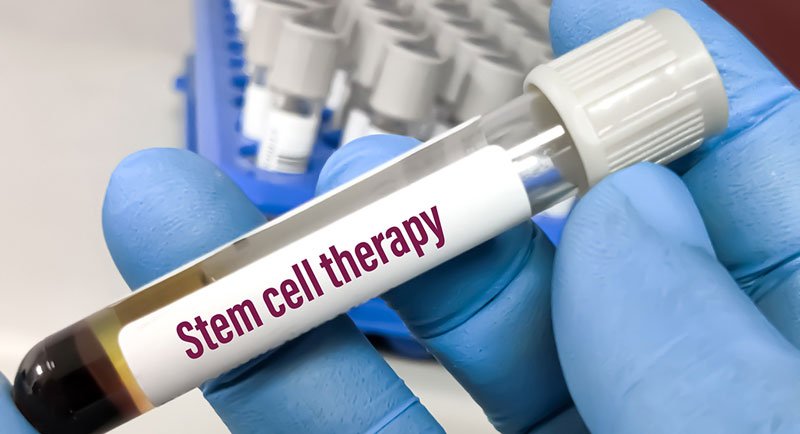
How stem cell therapy works

Autologous vs. Allogeneic: What's the Difference?

Autologous

Using Your Own Cells

Cells are collected from your own body — typically from bone marrow or fat tissue — then processed and reintroduced into the treatment area.

  • Lower risk of rejection since cells come from you
  • No donor matching required
  • Generally more affordable
  • Commonly used for orthopedic and joint conditions
Allogeneic

Using Donor Cells

Cells are sourced from a screened, healthy donor rather than the patient — often used when a patient's own cells aren't suitable or sufficient.

  • Requires careful donor matching and screening
  • Used for more complex or systemic conditions
  • Typically involves a longer hospital stay
  • Higher cost due to additional processing and monitoring

Common Sources of Stem Cells

01
Bone Marrow

One of the most established sources, rich in cells capable of forming blood and supporting tissue repair.

02
Adipose (Fat) Tissue

A less invasive collection method, often used for orthopedic and cosmetic applications.

03
Umbilical Cord Blood

Collected at birth, commonly used in treating blood-related and certain immune conditions.

04
Peripheral Blood

Stem cells mobilized into the bloodstream and collected through a specialized filtration process.

The Medical Process

How the Stem Cell Procedure Is Performed

While every treatment plan is tailored to the patient, most stem cell procedures follow three core clinical stages. Here's what typically happens at each step.

Stage 1

Collection of Stem Cells

The process begins with collecting cells from the chosen source — most often bone marrow or fat (adipose) tissue, though donor-based collection is used for allogeneic treatments. This is typically a minimally invasive procedure performed under local anesthesia and usually takes 30–45 minutes.

  • Performed by a trained specialist in a controlled clinical setting
  • Patients may be asked to pause certain medications beforehand (e.g., blood thinners)
  • Mild discomfort is common; significant pain is not typical
Stage 2

Laboratory Processing & Screening

The collected sample is sent to a specialized lab, where the stem cells are isolated, concentrated, and tested for quality and viability. This stage is critical to the safety and effectiveness of the treatment.

  • Cells are separated from other blood components under sterile conditions
  • Samples are screened for infections such as Hepatitis and HIV
  • Cell concentration and quality are verified before approval for use
Stage 3

Delivery to the Treatment Area

Once the concentrated stem cells are ready, they're delivered to the targeted area of the body. The exact delivery method depends on the condition being treated and is decided by your specialist in advance.

  • Direct injection into the affected joint, muscle, or tissue
  • Intravenous (IV) administration for systemic conditions
  • Catheter-guided delivery via angiography for certain vascular or organ-related cases

This is a general overview for educational purposes. Your actual procedure, delivery method, and timeline will be determined by your treating specialist based on a full clinical evaluation of your condition.

At a Glance

Key Facts Before You Begin

A quick snapshot to help you understand what to expect, before we walk you through the full details below.

Starting Cost

From $5,000 USD

Final pricing depends on your condition, the type of stem cells used, and your chosen hospital tier.

Hospital Stay

1 – 30 Days

Simple sessions often need just a day; complex allogeneic transplants may require extended monitoring.

Reported Success Rate

60% – 80%

Outcomes vary by condition, cell source, and patient health — your coordinator will set realistic expectations.

Who It's For

20+ Conditions

From joint and neurological disorders to chronic and autoimmune conditions — explore options for your case below.

Figures above are general ranges shared for orientation. Your actual cost, stay duration, and expected outcome will be confirmed only after a medical review of your case.

Conditions We Support

Stem Cell Therapy Options by Condition

Stem cell therapy is being explored for a wide range of chronic, degenerative, neurological, orthopedic, and other conditions. Select your condition below to learn more about treatment approaches, potential benefits, and what to expect.

Women's Health & Regenerative Conditions
Pricing Guide

What Does Stem Cell Therapy Cost in India?

Pricing depends on your specific condition, the type of stem cells required, and the hospital you choose. Below is a general range to help you plan — your coordinator will confirm exact costs after reviewing your case.

Treatment Type Typical Use Case Estimated Cost (INR)
Single-Session Therapy Orthopedic conditions, localized joint or tendon issues ₹4,50,000 – ₹8,00,000
Autologous Stem Cell Transplant Uses the patient's own cells; lower complication risk ₹8,00,000 – ₹15,00,000
Allogeneic Stem Cell Transplant Donor-sourced cells; used for more complex conditions ₹15,00,000 – ₹35,00,000
Haploidentical Transplant Partial donor match; used when a full match isn't available ₹20,00,000 – ₹40,00,000
* These are general estimates for planning purposes only. Final pricing is confirmed after your medical reports are reviewed by our partner specialists.

What Affects Your Final Treatment Cost?

Type & Source of Cells

Autologous (your own cells) treatments are generally more affordable than allogeneic (donor) options, which require matching and additional screening.

Condition Complexity

Chronic neurological or multi-system conditions often require multiple sessions, while single-joint orthopedic issues are typically resolved in one visit.

Surgeon & Hospital Expertise

Specialists with extensive experience in regenerative medicine, and hospitals with advanced lab facilities, may charge accordingly for quality assurance.

Hospital Tier & Location

Premium hospitals in metro cities like Mumbai, Delhi, and Bangalore typically cost more than facilities in Tier 2 cities, though quality standards remain high.

Length of Hospital Stay

Extended stays required for allogeneic transplants (sometimes up to 30 days in sterile environments) naturally increase the overall treatment cost.

Pre & Post-Treatment Care

Diagnostic tests, lab processing, follow-up consultations, and any physiotherapy or rehabilitation add to the total, and vary by individual treatment plan.

Want an accurate estimate for your specific condition?

Share Your Medical Reports for a Free Quote →
Why Choose Us

Why Patients Choose India — and Why They Choose HealPassage

Traveling abroad for treatment is a big decision. Here's what makes India a strong option, and how HealPassage makes the journey easier.

🇮🇳 Why India for Stem Cell Therapy

  • ✓ Treatment costs typically 60–90% lower than the US, UK, or other Western countries, without compromising on quality.
  • ✓ Internationally accredited hospitals with modern labs built specifically for regenerative medicine procedures.
  • ✓ Specialists trained and experienced in both autologous and allogeneic stem cell protocols.
  • ✓ A well-established medical tourism ecosystem — easy visas, direct flights, and English-speaking staff.

🤝 Why Choose HealPassage

  • ✓ One dedicated coordinator manages your entire journey — no juggling multiple hospital contacts on your own.
  • ✓ Transparent, itemized cost estimates before you commit — no hidden fees or last-minute surprises.
  • ✓ We only work with verified specialists and accredited facilities that meet our internal review standards.
  • ✓ Ongoing support after you return home, including help coordinating follow-up care with your local doctor.

Verified Specialists

Every doctor in our network is reviewed for credentials and case experience.

Free Case Review

Share your reports and get an honest opinion — no obligation to proceed.

End-to-End Planning

Travel, stay, appointments, and translators — all coordinated for you.

Post-Return Support

We stay in touch after treatment to check on your recovery progress.

Your Journey

How the Treatment Process Works

From your first message to us, to your recovery back home — here's what the journey typically looks like with HealPassage.

1

Share Your Case

Send your medical reports and history through our enquiry form or WhatsApp.

2

Medical Review

Our partner specialists assess your case and confirm if you're a suitable candidate.

3

Treatment Plan & Quote

Receive a personalized plan with hospital options, cost estimate, and timeline.

4

Travel Arrangements

We help with visa support, flights, accommodation, and airport pickup.

5

Treatment in India

Undergo your procedure with a dedicated coordinator by your side throughout.

6

Recovery & Follow-Up

We stay connected after you return home to track your progress and next steps.

Common Questions

Frequently Asked Questions

Answers to the questions we hear most often from patients considering stem cell therapy in India.

Am I a good candidate for stem cell therapy? +

Candidacy depends on your specific condition, its severity, and your overall health. Stem cell therapy is being explored for orthopedic issues, neurological conditions, chronic pain, autoimmune disorders, and more. The best way to know for sure is to share your medical reports with our team — our partner specialists will review your case and give you an honest opinion, including if this treatment isn't the right fit for you.

What actually happens during the procedure? +

In general, the process involves three stages: collecting cells (often from your own bone marrow or fat tissue, or from a screened donor), processing and concentrating them in a lab under sterile conditions, and then delivering them to the target area — through injection, IV, or other methods depending on your condition. Your treatment plan will lay out the exact approach for your case.

How much will my treatment cost? +

Costs generally start around $5,000 USD and can go higher depending on the type of stem cells used, the complexity of your condition, and the hospital you choose. Simple single-session treatments are on the lower end, while allogeneic (donor-based) transplants cost more due to matching and longer hospital stays. We provide a written estimate only after reviewing your medical reports — no guesswork, no hidden charges.

How long will I need to stay in India? +

It varies by treatment type. Many single-session orthopedic procedures require just a day or two in the hospital. More complex procedures, such as allogeneic transplants, may require an extended stay of up to 30 days in a controlled, sterile environment. Your coordinator will give you a realistic timeline before you travel, including any recovery time recommended before flying home.

Is stem cell therapy safe? +

We only work with accredited hospitals that follow strict lab protocols — including screening cells for infections and processing them under sterile conditions. As with any medical procedure, there are risks, and outcomes can vary by condition and patient. Your specialist will walk you through the specific risks and expected outcomes for your case before you decide to proceed.

What is the success rate of stem cell therapy? +

Reported success rates across various conditions generally fall between 60% and 80%, though this varies significantly by condition, the type of cells used, and individual patient factors. It's important to have realistic expectations — your specialist will discuss what a good outcome might look like for your specific diagnosis.

What documents or tests do I need before booking treatment? +

You'll need to share your recent medical reports, diagnostic scans or test results related to your condition, and a summary of any prior treatments. Based on this, our partner hospital may recommend additional pre-treatment tests once you arrive. Our team will guide you on exactly what's needed for your specific case.

Will someone help me with travel, visas, and accommodation? +

Yes. HealPassage coordinates visa invitation letters, flight guidance, hotel or guesthouse arrangements, airport pickup, and local transportation. If you're traveling with a family member or caregiver, we help arrange accommodation for them too.

What kind of support do I get after I return home? +

Our support doesn't end when you fly home. Your coordinator stays in touch to check on your recovery, and can help facilitate communication with your treating doctor in India if you have follow-up questions or need additional guidance for your local physician.

How do I get started? +

Simply fill out our enquiry form or message us on WhatsApp with a brief description of your condition and any medical reports you have. Our team will respond with next steps, usually within one business day.

Still have questions specific to your condition?

Ask Our Medical Team →
Scroll to Top