
Stem Cell Therapy for Diabetic Foot Ulcer in India
Diabetic foot ulcers are complex wounds that may be difficult to heal, particularly when diabetes, reduced blood flow, nerve damage, or infection are involved. Cell-based and regenerative therapies are being studied as potential approaches to support wound healing in selected patients. HealPassage helps patients connect with appropriate specialists in India for individualized evaluation and treatment planning.
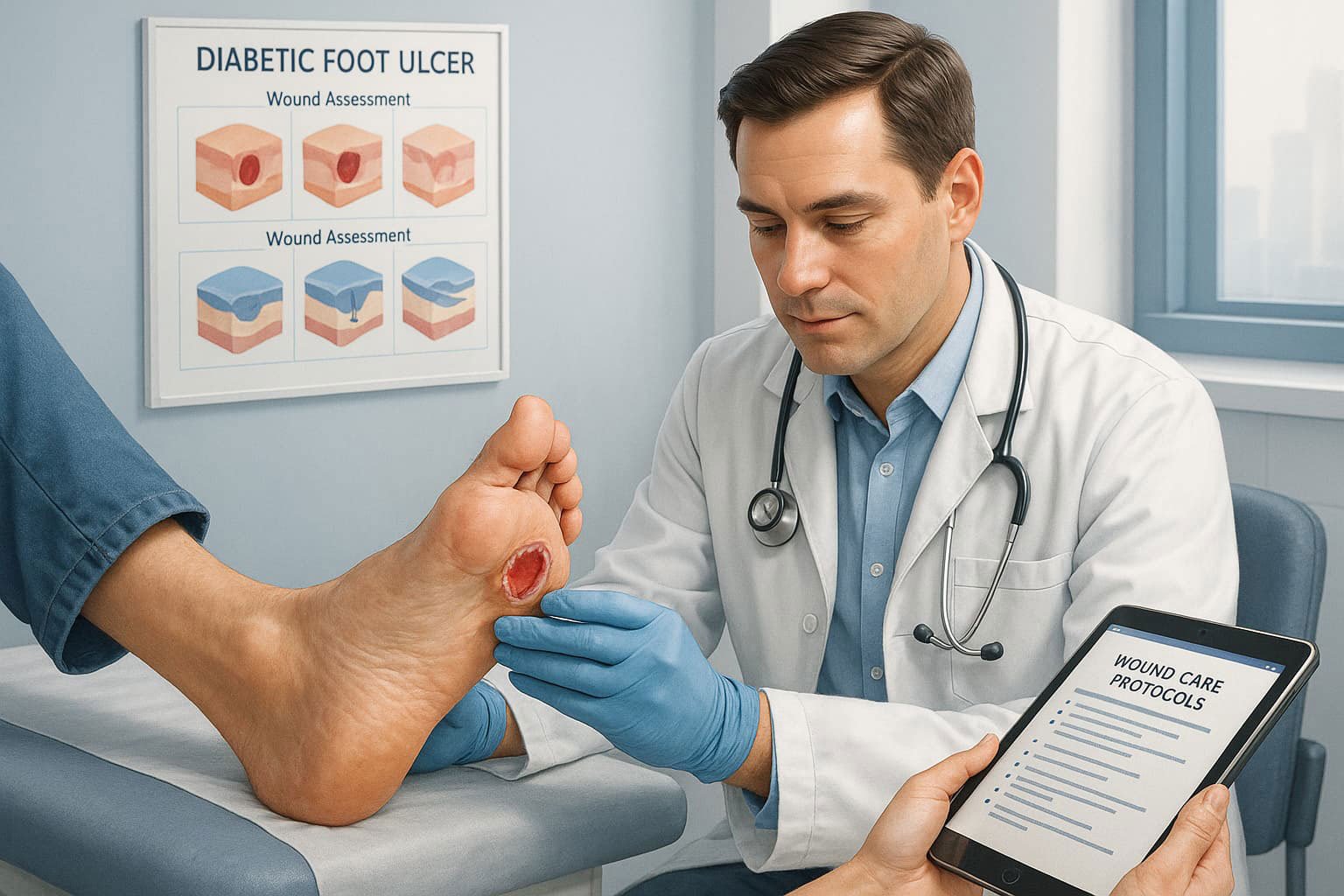
What Is a Diabetic Foot Ulcer?
A diabetic foot ulcer is an open wound or sore that develops on the foot of a person with diabetes. Diabetes-related nerve damage, reduced blood circulation, pressure on the foot, and infection can all contribute to the development or delayed healing of these wounds.
How Diabetes Can Affect Foot Wound Healing
Long-term diabetes can affect nerves and blood vessels in the lower limbs. Reduced sensation may make it harder to notice an injury, blister, or pressure area, while impaired circulation can limit the delivery of oxygen and nutrients needed for tissue repair.
When a wound does not heal properly, it may become more difficult to manage and can require coordinated care from wound specialists, diabetes professionals, vascular specialists, or other members of a medical team.
Common Features of a Diabetic Foot Ulcer
The appearance and severity of a diabetic foot ulcer can vary significantly. A healthcare professional should assess any persistent or concerning foot wound, particularly in someone living with diabetes.
- An open sore or wound on the foot
- Persistent redness, swelling, or changes around the wound
- Drainage or other signs that may indicate infection
- Reduced sensation or numbness in the feet
- A wound that is not healing as expected
- Changes in skin condition or pressure areas on the foot
The presence of one or more of these features does not determine the severity on its own. Proper clinical examination and, when necessary, additional tests are important for treatment planning.
A diabetic foot ulcer can become serious, especially when infection or poor blood flow is present. Regenerative or stem cell therapy should not delay appropriate wound care, infection assessment, vascular evaluation, pressure relief, diabetes management, or other established medical treatment. Seek prompt medical attention for a new, worsening, or infected foot wound.
Why Is Stem Cell Therapy Being Studied for Diabetic Foot Ulcers?
Researchers are investigating cell-based and regenerative approaches because diabetic foot ulcers can involve impaired blood flow, inflammation, tissue damage, and reduced ability of the body to repair wounds. The goal of ongoing research is to understand whether certain cell-based therapies may support aspects of the wound-healing process.
Supporting Tissue Repair
Research is examining whether certain cell-based approaches can influence biological processes involved in tissue repair and wound healing.
Blood Vessel Formation
Some regenerative approaches are being studied for their potential effects on blood-vessel-related processes that may be important in wound healing.
Local Healing Environment
Scientists are studying how cells and biological signals may interact with the wound environment and potentially influence repair mechanisms.
Inflammatory Response
The role of inflammation in chronic wounds is an important area of research, including whether regenerative approaches can influence local inflammatory processes.
Chronic Wound Healing
Diabetic wounds can remain open for prolonged periods. Cell-based therapies are being investigated as one potential strategy for difficult-to-heal wounds.
Personalized Regenerative Care
Researchers are also exploring which patients, wound characteristics, and treatment protocols may be most suitable for regenerative approaches.
What Researchers Are Trying to Understand
Clinical research is focused on determining whether cell-based treatments can provide meaningful improvements in wound healing and other clinically relevant outcomes.
- Which patients may benefit from cell-based approaches
- Which cell sources and protocols are most appropriate
- How regenerative therapies interact with wound biology
- Whether healing outcomes can be improved in selected patients
- What short- and long-term safety considerations may exist
Why Standard Wound Care Still Matters
Regenerative therapy, when considered, should be evaluated as part of a broader treatment strategy rather than as a replacement for essential diabetic foot care.
- Wound assessment and appropriate wound care
- Infection evaluation and treatment when necessary
- Assessment of blood circulation
- Pressure relief and appropriate offloading
- Diabetes and blood-glucose management
- Regular monitoring by the appropriate medical team
Stem cell therapy for diabetic foot ulcers is an evolving area of research. Research findings do not mean that stem cell treatment is a proven cure, guaranteed to close every ulcer, or appropriate for every patient. Any regenerative treatment should be considered only after appropriate medical evaluation and alongside necessary established wound-care measures.
Who May Be Considered for Stem Cell Therapy for Diabetic Foot Ulcers?
Stem cell and regenerative approaches are not suitable for every person with a diabetic foot ulcer. A specialist assessment helps determine whether an individual may be appropriate for an investigational or regenerative treatment approach alongside established wound care.
Confirmed Diabetic Foot Ulcer
The wound should be properly evaluated and confirmed as a diabetic foot ulcer before considering any advanced or regenerative treatment option.
Complete Wound Assessment
The size, depth, location, tissue condition and overall severity of the ulcer may be reviewed to understand the wound and its healing needs.
Infection Evaluation
Signs of infection need appropriate medical attention. Active or serious infection may require conventional treatment before regenerative options are considered.
Circulation Assessment
Blood supply to the affected foot can significantly influence wound healing, so vascular status may be assessed before treatment planning.
Diabetes Management
Blood glucose management, medications, nutrition and other diabetes-related factors may be reviewed because overall metabolic control can affect wound healing.
Overall Health & Treatment History
Other medical conditions, previous wound treatments, healing response, mobility and individual treatment goals may all influence whether an advanced therapy is appropriate.
What the Specialist May Review
A treatment discussion may involve several aspects of the patient's condition rather than relying on the ulcer alone.
- Ulcer size, depth and location
- Signs of infection or tissue complications
- Foot circulation and vascular status
- Nerve function and sensation
- Diabetes control and relevant medical history
- Previous wound-care and offloading measures
Realistic Treatment Expectations
Regenerative medicine for diabetic foot ulcers remains an evolving area of clinical research. Patients should understand that outcomes can vary and that treatment may not result in wound closure or eliminate the need for conventional care.
- Individual response can vary
- Standard wound care remains important
- Additional procedures may still be required
- Follow-up monitoring is essential
- Treatment suitability must be determined individually
Important: Having a diabetic foot ulcer does not automatically mean that stem cell therapy is appropriate. A rapidly worsening wound, significant infection, severe circulation problems, spreading redness, or other urgent symptoms require prompt medical evaluation and established treatment. Regenerative therapy should not delay necessary wound, infection or vascular care.
How Is a Diabetic Foot Ulcer Evaluated Before Regenerative Treatment?
Before considering a cell-based or regenerative approach, specialists generally need to understand the wound, circulation, infection status, diabetes control and overall health. This evaluation helps determine the most appropriate treatment pathway for each patient.
Wound Examination
The clinician may assess the ulcer's location, size, depth, surrounding skin and tissue condition to understand its severity and healing status.
Infection Assessment
The wound may be examined for clinical signs of infection. If infection is suspected, appropriate testing and treatment may be required before advanced therapy is considered.
Circulation & Vascular Review
Blood flow to the foot can affect healing. Depending on the clinical situation, vascular examination or additional circulation testing may be recommended.
Nerve Function Assessment
Reduced sensation from diabetic neuropathy can contribute to repeated pressure or injury. Nerve function and protective sensation may therefore be assessed.
Diabetes & Medical History
Blood glucose management, medications, kidney or cardiovascular conditions and other relevant health factors may be reviewed as part of treatment planning.
Previous Wound-Care Response
Specialists may review previous wound-care measures, offloading, dressings, procedures and the wound's response to established treatment.
What Information May Be Needed?
Patients may be asked to provide medical records and recent investigations so the treating team can build a complete clinical picture.
- Diabetes history and current treatment
- Details and duration of the foot ulcer
- Previous wound-care and procedures
- Current medications and relevant medical conditions
- Recent laboratory or imaging results when available
- Vascular or circulation reports when applicable
Why a Detailed Assessment Matters
A diabetic foot ulcer can have more than one contributing factor. Identifying infection, poor circulation, pressure, neuropathy and other issues can help specialists prioritize treatments that address the underlying risks.
- Helps identify urgent wound complications
- Supports individualized treatment planning
- Helps determine whether regenerative therapy is appropriate
- Provides a baseline for monitoring progress
- Reduces the risk of overlooking treatable causes of poor healing
Important: Evaluation for regenerative treatment should not delay urgent management of infection, reduced blood flow, tissue damage or other serious complications. Established diabetic foot and wound-care measures remain an essential part of treatment.
What Is the Process of Stem Cell Therapy for Diabetic Foot Ulcers?
The treatment pathway depends on the patient's wound, diabetes status, circulation, overall health and the specific regenerative approach being considered. A specialist assessment comes first, followed by individualized treatment planning and monitoring.
Initial Consultation
The medical team reviews the ulcer, diabetes history, previous treatments, medications, circulation and other factors that may influence wound healing.
Wound & Health Assessment
Additional clinical examinations or investigations may be recommended to evaluate infection, vascular status, neuropathy and other potential barriers to healing.
Regenerative Treatment Planning
If an advanced cell-based approach is considered appropriate, the specialist discusses the proposed therapy, potential benefits, limitations, risks and expected follow-up.
Treatment & Follow-Up
The selected treatment is administered according to the clinical protocol, followed by wound monitoring and continued management of diabetes and other healing factors.
What May Be Included in the Treatment Plan?
Regenerative therapy is generally considered as part of a broader wound-management strategy rather than as an isolated treatment.
- Detailed wound and medical assessment
- Infection evaluation and appropriate treatment
- Circulation and vascular assessment when indicated
- Pressure relief and offloading strategies
- Diabetes and glucose-management considerations
- Appropriate wound dressings and local wound care
- Regenerative or cell-based therapy when clinically appropriate
- Scheduled follow-up to monitor wound progress
Why Follow-Up Is Important
A diabetic foot ulcer can change over time. Regular follow-up allows the clinical team to monitor the wound and respond to infection, pressure, circulation problems or other complications when they arise.
- Monitor wound size and appearance
- Assess healing trends over time
- Review infection or complication risks
- Adjust wound-care measures when needed
- Continue diabetes and pressure-management strategies
Important: There is no single stem cell treatment protocol that is appropriate for every diabetic foot ulcer. Cell source, preparation, administration method and follow-up can vary according to the clinical setting and treatment protocol. Patients should discuss the evidence, regulatory status, potential risks and alternatives with a qualified specialist before proceeding.
Potential Benefits and Limitations of Stem Cell Therapy for Diabetic Foot Ulcers
Cell-based therapies are being investigated because diabetic foot ulcers can involve impaired circulation, inflammation and reduced tissue-repair capacity. Research is exploring whether regenerative approaches may influence some of these processes.
Potential Areas of Benefit
- Support for tissue-repair processes: Cell-based approaches are being studied for their possible role in supporting biological processes involved in wound repair.
- Potential vascular effects: Some research has investigated whether cell-based therapies may support the formation or function of small blood vessels in poorly perfused tissue.
- Modulation of inflammation: Researchers are examining how certain cell-based approaches may interact with inflammatory processes involved in chronic wounds.
- Interest in difficult-to-heal wounds: Advanced regenerative approaches are being investigated particularly for ulcers that remain difficult to heal despite appropriate conventional management.
- Potential personalized approaches: Future regenerative strategies may be tailored according to wound characteristics, vascular status and individual patient factors.
Important Limitations
- Evidence is still evolving: Research findings vary, and more high-quality clinical evidence is needed to establish the role of different cell-based therapies.
- No guaranteed wound closure: Stem cell therapy should not be presented as a guaranteed way to close an ulcer or prevent complications.
- Not appropriate for everyone: Patient selection depends on wound characteristics, infection status, circulation, overall health and other clinical factors.
- Conventional care remains essential: Wound care, offloading, infection management, vascular care and diabetes management continue to play important roles.
- Outcomes can vary: The response to an investigational or regenerative treatment may differ between patients.
What Patients Should Discuss With the Specialist
Before choosing a regenerative treatment, patients should understand what is known, what remains uncertain and how the proposed therapy fits into their overall wound-care plan.
Medical disclaimer: Stem cell and other regenerative therapies for diabetic foot ulcers remain an evolving area of medicine. Potential biological effects described in research should not be interpreted as guaranteed clinical benefits. Treatment decisions should be made with a qualified medical team based on the individual wound and the available clinical evidence.
What Standard Treatments Are Used for Diabetic Foot Ulcers?
Diabetic foot ulcer management usually involves several coordinated measures. Even when regenerative therapy is being considered, established wound-care strategies remain central to protecting the foot and supporting healing.
Regenerative Therapy Should Complement, Not Replace, Wound Care
A diabetic foot ulcer may be affected by pressure, infection, poor circulation, neuropathy and diabetes-related healing problems. Treating these factors is an important part of managing the wound.
Wound Cleaning & Dressings
Regular wound assessment, appropriate cleaning and dressings can help manage the wound environment and monitor changes over time.
Pressure Relief & Offloading
Reducing pressure on the affected area can be an important part of treatment, particularly when repetitive loading is contributing to delayed healing.
Infection Management
Suspected infection requires appropriate clinical assessment and, when indicated, antimicrobial or other medical treatment.
Vascular Assessment
Poor blood flow can impair healing. Patients with suspected vascular problems may need specialist assessment and treatment.
Diabetes Management
Diabetes management, including appropriate glucose control and medication review, forms an important part of overall wound-care planning.
Regular Monitoring
Ongoing follow-up helps clinicians evaluate healing, identify complications and modify the treatment plan when necessary.
When Additional Treatment May Be Needed
Some ulcers require more than routine wound care. Depending on the patient's condition, the treating team may consider additional interventions.
- Debridement of unhealthy or non-viable tissue
- Vascular or revascularization procedures when indicated
- Management of deeper or complicated infections
- Specialized wound-care approaches
- Surgical assessment for severe or complicated wounds
Where Regenerative Therapy May Fit
For selected patients, a specialist may discuss a regenerative or cell-based approach after assessing the wound and addressing important underlying factors. The exact role depends on the therapy, clinical evidence and individual circumstances.
- After appropriate wound evaluation
- With infection and circulation considered
- Alongside appropriate offloading and wound care
- With ongoing diabetes management
- With defined follow-up and outcome monitoring
Important: A diabetic foot ulcer can become serious if infection, ischemia or tissue damage is not treated promptly. Patients should not postpone established wound, vascular or infection care while exploring regenerative medicine.
What Are the Risks and Safety Considerations of Stem Cell Therapy?
Like other medical treatments, cell-based and regenerative therapies may involve risks. The safety profile depends on the specific cells or biological product, how it is prepared, how it is administered and the patient's overall medical condition.
Potential Treatment-Related Considerations
- Local discomfort, swelling or inflammation may occur depending on the method of treatment.
- Any procedure involving injections or tissue handling can carry risks such as bleeding, infection or injury.
- The biological effects of a cell-based product may differ according to its source, preparation and characteristics.
- Patients with complex medical conditions may have additional risks that need individual assessment.
- The long-term safety and effectiveness of some regenerative approaches remain under investigation.
Safety Checks Before Treatment
- Confirm the exact diagnosis and severity of the diabetic foot ulcer.
- Evaluate for infection and other urgent wound complications.
- Assess circulation and vascular status when clinically indicated.
- Review diabetes control, medications and relevant medical conditions.
- Understand the specific cell product, treatment protocol and follow-up plan.
- Discuss established alternatives and the level of evidence supporting the proposed therapy.
Red Flags That Need Prompt Medical Attention
A diabetic foot ulcer can deteriorate quickly in some patients. Certain symptoms may indicate infection, reduced blood flow or another complication requiring prompt medical evaluation.
Questions to Ask Before Choosing a Regenerative Treatment
Important: Patients should be cautious of claims that stem cell therapy can guarantee ulcer closure, prevent amputation or completely restore damaged tissue. A qualified specialist should explain the evidence, limitations, risks and alternatives for the specific treatment being considered.
How Much Does Stem Cell Therapy for Diabetic Foot Ulcers Cost in India?
The cost of regenerative treatment for a diabetic foot ulcer can vary considerably. An individualized estimate depends on the wound, overall health, treatment approach, specialist involvement and the level of wound care required before and after treatment.
Cost Depends on Your Treatment Plan
Unlike a single standardized procedure, regenerative treatment for diabetic foot ulcers may involve different cell-based approaches and supporting medical care. The final estimate should be prepared after a specialist reviews the ulcer, diabetes history, circulation, infection status, previous treatment and proposed regenerative protocol.
Factors That Can Affect the Cost
Several clinical and treatment-related factors can influence the overall cost of care.
Ulcer Severity
The size, depth, location and complexity of the wound can affect the assessment, wound-care requirements and overall treatment plan.
Cell-Based Treatment
Costs may vary according to the specific cell source, preparation method, administration approach and treatment protocol.
Wound-Care Requirements
Dressings, debridement, offloading and other wound-management measures may contribute to the overall cost of care.
Infection Management
If infection is present, additional evaluation, medication, procedures or specialist care may be required.
Vascular Assessment
Patients with suspected circulation problems may need vascular investigations and treatment when clinically indicated.
Hospital & Specialist Care
Hospital, physician, laboratory, procedure and follow-up costs can differ depending on the treatment setting and clinical requirements.
What May Be Included in an Estimate?
- Specialist consultation and clinical evaluation
- Wound assessment and relevant investigations
- Laboratory tests or imaging when clinically required
- Cell-based or regenerative treatment charges where appropriate
- Procedure, facility or administration-related costs
- Follow-up consultations and wound monitoring
Additional Costs to Consider
- Travel and accommodation for international patients
- Ongoing wound dressings and local wound care
- Diabetes-related medical management
- Additional infection or vascular treatment if required
- Offloading devices or supportive footwear when recommended
- Further procedures if the ulcer does not respond as expected
Important: There is no single universal price for stem cell therapy for diabetic foot ulcers. Any published figure should be treated as indicative rather than a guaranteed quote. A personalized estimate should be provided only after reviewing the patient's clinical records and the specific treatment plan. Established diabetic foot-ulcer care should continue regardless of whether regenerative therapy is being considered.
Why Consider India for Diabetic Foot Ulcer Treatment?
India has a broad network of hospitals and specialists involved in diabetes care, wound management, vascular medicine, orthopaedics and regenerative medicine. For international patients, treatment planning can bring these areas of care together based on the individual's clinical needs.
Coordinated Care for Complex Wounds
Diabetic foot ulcers often require more than one type of medical expertise. Depending on the patient's condition, care may involve diabetology, wound-care specialists, vascular specialists, infectious-disease expertise, orthopaedics or other relevant disciplines. A coordinated evaluation can help determine which treatments are appropriate before considering regenerative options.
Regenerative Medicine With Clinical Evaluation
Stem cell and cell-based therapies should be considered within an appropriate clinical framework rather than as a standalone solution. The treatment team should review the wound, infection risk, circulation, diabetes status and available evidence before recommending a specific approach.
Potential Advantages of Seeking Treatment in India
The practical advantages can vary by hospital, specialist, treatment pathway and individual patient requirements.
Multidisciplinary Expertise
Patients may have access to different medical specialties that can contribute to comprehensive diabetic foot and wound management.
Specialized Wound Care
Appropriate treatment planning may include wound assessment, dressings, debridement, offloading and infection management when indicated.
Regenerative Medicine Access
Selected hospitals or centres may offer or study cell-based and regenerative approaches, depending on clinical and regulatory considerations.
Individualized Treatment Planning
Treatment can be planned around the patient's wound characteristics, medical history, circulation and response to previous care.
International Patient Support
International patients may receive assistance with consultations, medical records, treatment coordination and follow-up arrangements.
Comprehensive Care Pathways
When clinically required, treatment planning can consider wound care, vascular evaluation, diabetes management and other supporting services.
What International Patients Should Check
- Qualifications and experience of the treating specialist
- Hospital or clinical facility where treatment will take place
- Exact cell type or regenerative product being proposed
- Clinical evidence supporting the proposed approach
- Regulatory or clinical-trial status where applicable
- Wound-care and follow-up arrangements after treatment
What to Bring for Medical Review
- Recent photographs and records of the foot ulcer
- Diabetes history and current treatment information
- Previous wound-care and procedure records
- Recent laboratory reports and imaging when available
- Vascular assessment reports if previously performed
- Current medication and medical-condition details
Important: Choosing India does not guarantee a particular treatment outcome. The availability, evidence and regulatory status of regenerative therapies can differ between providers. Patients should verify the proposed treatment and continue appropriate diabetic foot, wound and infection care throughout the treatment journey.
How Should You Prepare for Diabetic Foot Ulcer Treatment in India?
Good preparation can help the medical team understand your wound and overall health before deciding whether regenerative treatment is appropriate. International patients should share relevant medical information before making travel arrangements.
Share Your Medical Records
Provide recent wound photographs, medical reports, diabetes history, medication details and previous treatment records for an initial review.
Complete Specialist Evaluation
The treating team may assess wound severity, infection risk, circulation, nerve function and other factors before recommending treatment.
Understand the Treatment Plan
Discuss the proposed regenerative approach, supporting wound care, expected monitoring, potential risks, alternatives and estimated costs.
Plan Your Stay & Follow-Up
Coordinate appointments, accommodation and follow-up requirements according to the treatment plan and your medical team's recommendations.
Medical Information to Prepare
- Recent photographs of the ulcer from different angles
- Ulcer duration, previous changes and current wound status
- Diabetes diagnosis, treatment and relevant glucose records
- Previous wound-care, debridement or surgical records
- Recent blood tests and imaging reports when available
- Vascular assessment or circulation-related reports
- Complete list of current medications and known medical conditions
Questions to Discuss Before Travelling
- Is regenerative treatment appropriate for my particular ulcer?
- What established wound-care treatment should continue?
- What specific cell-based approach is being proposed?
- What evidence supports the proposed treatment?
- How long should I expect to remain in India?
- What follow-up will be required after returning home?
- What additional treatment might be needed if healing does not progress?
A Practical Treatment-Planning Timeline
Important: Do not delay urgent medical care while arranging travel or seeking regenerative treatment. A rapidly worsening diabetic foot wound, suspected infection, significant tissue damage or circulation problem requires prompt evaluation and appropriate established treatment.
What Can You Expect After Stem Cell Therapy for a Diabetic Foot Ulcer?
Recovery and wound healing vary from person to person. After regenerative treatment, continued wound care, pressure management, diabetes control and scheduled medical follow-up remain important parts of the treatment pathway.
Early Period After Treatment
The immediate post-treatment period depends on the specific procedure and the condition of the foot. Your treating team will provide instructions based on the treatment performed.
- Continue wound dressings and local wound care as advised
- Follow recommended pressure-relief or offloading measures
- Continue prescribed diabetes treatment and monitoring
- Take medications exactly as directed by the treating team
- Attend scheduled wound and medical assessments
Monitoring the Healing Process
Wound healing is usually assessed over time rather than judged from a single visit. The medical team may compare clinical findings across multiple follow-ups.
- Changes in wound size, depth and appearance
- Condition of surrounding skin and tissue
- Signs of infection or other complications
- Progress in tissue repair and wound healing
- Need for continued or modified wound-care measures
What May Be Monitored During Follow-Up?
Follow-up allows the treating team to identify progress, complications or the need to adjust the treatment plan.
Wound Progress
The wound may be measured and examined to track changes in size, depth, tissue condition and overall appearance.
Infection Risk
New redness, swelling, drainage, pain or other concerning changes may require prompt clinical reassessment.
Pressure & Mobility
Offloading and pressure management may need to continue or be adjusted according to wound location and activity.
Diabetes Management
Ongoing diabetes management remains important because metabolic control can influence the wound-healing environment.
Follow-Up May Continue After Returning Home
International patients should discuss a clear follow-up plan before leaving India. Depending on the treatment and wound status, ongoing monitoring may be coordinated with a local wound-care or diabetes team after returning home.
Healing Time Can Vary
There is no universal healing timeline for diabetic foot ulcers. Wound size, circulation, infection, diabetes control, pressure on the foot, overall health and response to treatment can all influence the course of healing.
Important: Stem cell or regenerative treatment does not eliminate the need for established diabetic foot care. If the wound becomes worse, develops increasing redness or drainage, or you develop other concerning symptoms, contact your medical team promptly rather than waiting for the next scheduled follow-up.
How Can HealPassage Help With Diabetic Foot Ulcer Treatment in India?
HealPassage can help international patients organize the medical journey by coordinating consultations, sharing medical records with the appropriate care team and assisting with treatment planning before and during a visit to India.
From Medical Review to Follow-Up Planning
Every diabetic foot ulcer is different. Our role is to help connect patients with appropriate specialists and organize the information needed for a clinical assessment. Treatment recommendations are made by qualified medical professionals after reviewing the patient's individual condition.
Medical Record Coordination
Relevant medical records, wound photographs, laboratory reports and previous treatment information can be organized for specialist review.
Specialist Consultation
We can help coordinate consultations with appropriate specialists based on the patient's wound and broader medical requirements.
Treatment Planning
Patients can receive information about the proposed treatment pathway, investigations, expected care and estimated costs before travelling.
Hospital Coordination
When treatment is recommended, appointment and hospital coordination can help make the medical journey more organized.
Travel Assistance
International patients may receive practical assistance with scheduling, accommodation planning and other non-clinical travel arrangements.
Follow-Up Coordination
Follow-up appointments and communication of the treatment plan can be coordinated to support continuity of care.
A Simple Pathway for International Patients
The exact sequence can vary depending on the patient's condition and the treating team's recommendations.
Share Your Records
Send available medical reports, wound information and previous treatment details for an initial review.
Medical Assessment
The appropriate specialist reviews the information and determines what additional evaluation may be required.
Plan Your Visit
If treatment in India is appropriate, consultations, investigations and hospital appointments can be organized.
Continue Follow-Up
After treatment, the patient can follow the medical team's wound-care and monitoring recommendations.
Important: HealPassage facilitates medical coordination and does not guarantee that a patient will qualify for stem cell therapy or achieve a particular treatment outcome. Clinical decisions, treatment selection and medical advice remain the responsibility of the treating healthcare professionals.
FAQs About Stem Cell Therapy for Diabetic Foot Ulcers
Find answers to common questions about regenerative treatment, eligibility, safety, cost, recovery and diabetic foot ulcer care in India.
What is stem cell therapy for diabetic foot ulcers?
Stem cell therapy refers to cell-based approaches being investigated for their potential effects on wound-healing processes. Research is exploring whether certain cells or cell-derived products may influence tissue repair, blood-vessel formation and the local wound environment.
These approaches are not established as a guaranteed cure for diabetic foot ulcers and should be considered only after appropriate medical evaluation.
Can stem cell therapy heal a diabetic foot ulcer completely?
Complete healing cannot be guaranteed. Outcomes depend on factors such as ulcer severity, infection, circulation, diabetes management, pressure on the foot, overall health and response to treatment.
Established wound care remains an important part of management even when regenerative treatment is being considered.
Who may be considered for stem cell therapy for a diabetic foot ulcer?
Potential candidates require individual assessment. A specialist may review the wound's size and depth, infection status, circulation, nerve function, diabetes management, previous treatment and overall health.
Having a diabetic foot ulcer does not automatically mean that a patient is suitable for a cell-based treatment.
Is standard diabetic foot ulcer treatment still necessary?
Yes. Wound cleaning and dressings, pressure relief or offloading, infection management, vascular assessment and diabetes management can all be important depending on the patient's condition.
Regenerative treatment should not be used as a reason to delay appropriate wound care.
What types of stem cells are being studied for diabetic foot ulcers?
Research has investigated different cell-based approaches, including mesenchymal stromal cells, bone marrow-derived cells, adipose-derived cells and peripheral blood-derived cells.
The evidence, preparation methods, administration techniques and regulatory status can differ between specific approaches.
What tests may be required before treatment?
The evaluation depends on the patient's condition. It may include a detailed wound examination, diabetes-related assessment, infection evaluation and assessment of circulation. Laboratory tests or imaging may also be recommended when clinically necessary.
How much does stem cell therapy for diabetic foot ulcers cost in India?
There is no single standard price. Cost can depend on the wound's severity, the proposed cell-based approach, investigations, wound-care requirements, hospital services and follow-up.
A personalized estimate should be provided after clinical records and the proposed treatment plan have been reviewed.
How long does it take to recover after regenerative treatment?
There is no universal recovery timeline for diabetic foot ulcers. Healing can be influenced by wound size and depth, circulation, infection, diabetes management, pressure on the foot and the patient's overall health.
Regular follow-up is important for monitoring the wound and adjusting care when needed.
Are there risks associated with stem cell therapy?
Potential risks vary according to the specific cells or biological product and the method of administration. Procedure-related complications, local inflammation, infection and other treatment-specific risks may need to be considered.
Patients should ask the treating specialist about the evidence, known risks, regulatory status and alternatives for the specific therapy being proposed.
Can international patients travel to India for diabetic foot ulcer treatment?
International patients may seek specialist evaluation and treatment in India, depending on their medical needs and the availability of an appropriate treatment pathway.
Medical records should ideally be reviewed before travel so that the appropriate consultation, investigations and follow-up arrangements can be planned.
What should I bring for a consultation in India?
Bring recent wound photographs, medical reports, diabetes history, medication details, previous wound-care records, laboratory results and vascular or imaging reports when available.
Complete records can help the treating team understand the wound and previous treatment before making recommendations.
What happens if the ulcer becomes worse while I am waiting for treatment?
Do not wait for a planned regenerative-treatment consultation if the wound is rapidly worsening or there are signs of infection or circulation problems. Prompt medical evaluation is important because diabetic foot complications can become serious.
Established wound and infection management should take priority when urgent complications are suspected.
Medical Disclaimer: Information on this page is for educational purposes and does not replace advice from a qualified healthcare professional. Stem cell and other regenerative therapies for diabetic foot ulcers remain an evolving area of medicine, and availability, evidence and regulatory status may vary. Treatment decisions should be based on an individual medical assessment.
Explore Your Diabetic Foot Ulcer Treatment Options in India
Every diabetic foot ulcer is different. Share your medical records with HealPassage to help arrange an appropriate specialist evaluation and understand whether regenerative medicine may have a role alongside established wound care.
HealPassage facilitates medical coordination and does not guarantee eligibility, treatment response or clinical outcomes. Regenerative therapies should be considered only after appropriate medical assessment and should not delay urgent diabetic foot care.