
Stem Cell Therapy for Cerebral Palsy in India
If you're a parent researching options for your child with cerebral palsy, we know how much you want to do right by them. HealPassage connects families with pediatric neurology specialists in India who will give you an honest, caring opinion — not just a sales pitch.
Cerebral palsy currently has no cure. Physiotherapy, occupational therapy, and other supportive care remain central to managing it — stem cell treatment, where it's considered, is meant to work alongside this, not replace it.

What Is Cerebral Palsy?
In simple terms — what's happening, and why it affects each child differently.
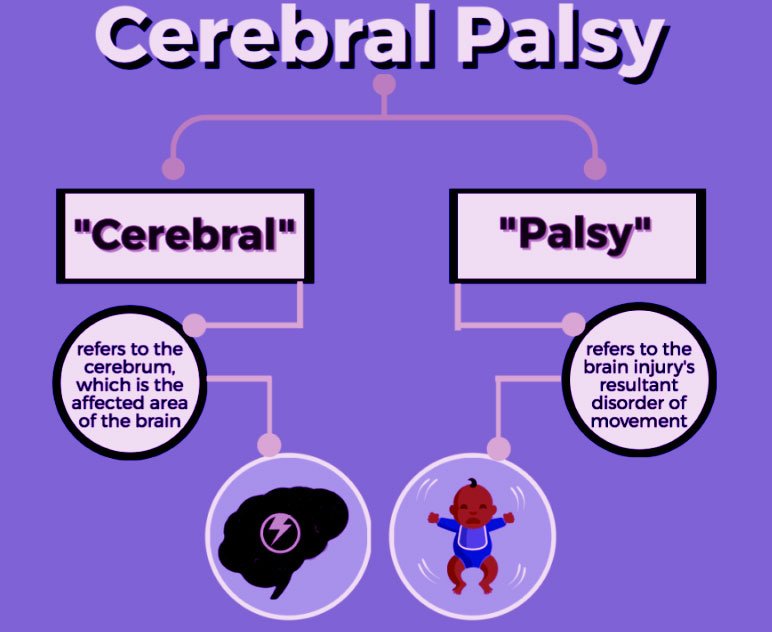
Cerebral palsy happens when a part of the brain that controls movement and posture doesn't develop properly, or gets damaged — usually before birth, during birth, or in the first couple of years of life. It's one of the most common movement disorders in children.
Because the brain controls so many different functions, cerebral palsy can look very different from one child to another. Some children have mild difficulties with coordination, while others have more significant challenges with movement, muscle tone, or speech. It's not a condition that gets worse over time, but the specific challenges a child faces can change as they grow.
Every child with cerebral palsy is different, which is exactly why any treatment — including stem cells — needs to be considered based on your child's specific situation, not a general promise that applies to everyone.
Common Types
Spastic Cerebral Palsy
The most common type, causing stiff muscles and difficulty with movement. Can affect one side, both legs, or the whole body depending on severity.
Dyskinetic Cerebral Palsy
Involves uncontrolled, involuntary movements, which can affect the hands, arms, feet, legs, or face.
Ataxic Cerebral Palsy
Mainly affects balance and coordination, making activities like walking and fine motor tasks more challenging.
Common Early Signs Parents Notice
Delayed Milestones
Taking longer than expected to sit, crawl, or walk.
Muscle Stiffness or Floppiness
Muscles that feel unusually tight or unusually loose.
Uneven Movement
Favoring one side of the body, or unusual, jerky movements.
Feeding or Speech Difficulty
Trouble with swallowing, sucking, or later speech development.

Should You Consider This for Your Child?
We know how much you want to help your child. Here's an honest way to think this through, without false promises.
Where this actually stands today
Some research studies have shown certain children with cerebral palsy experiencing modest improvements in motor function after stem cell treatment, usually alongside intensive physiotherapy. Results vary a lot between children, and there's no way to guarantee a specific outcome for your child. This is best approached as a possible addition to your child's care, not a replacement for therapy, and definitely not a guaranteed fix.
Worth Discussing Further If:
- ✓Your child has a confirmed cerebral palsy diagnosis from a pediatric neurologist.
- ✓Your child is already receiving physiotherapy or occupational therapy, and you're looking at this as something additional.
- ✓You understand results vary and there's no guaranteed level of improvement.
- ✓You're looking for an honest opinion, not just someone to say yes.
Please Be Cautious If:
- !A provider promises your child will walk, talk, or specifically improve in a guaranteed way — no one can honestly promise this.
- !You're told to stop or reduce your child's physiotherapy because of this treatment.
- !The treatment is offered at a standalone clinic rather than an accredited children's hospital.
- !You feel rushed or pressured to decide quickly, without time to think or get a second opinion.
Our approach: If you reach out about your child, a pediatric neurology specialist will review their diagnosis, current therapy, and overall health before giving you an honest opinion — including if this isn't likely to add much for your child's specific situation. We will never suggest reducing your child's physiotherapy.
How the Treatment Works
Here's what actually happens, explained plainly, so you know exactly what to expect for your child.
A Full Assessment First
A pediatric neurologist will review your child's diagnosis, current abilities, and therapy history to understand their specific situation before recommending anything.
Cells Are Collected
Depending on your child's case, cells may be collected from their own bone marrow, or from the umbilical cord if it was stored at birth, through a carefully managed procedure.
It's Prepared and Given Back
Once prepared, the cells are usually given back through an IV drip, with the aim of supporting your child's brain and nervous system function over time.
Therapy Continues Alongside
Your child's physiotherapy and occupational therapy will continue as usual, since this treatment is meant to support that ongoing work, not replace it.
What Does This Typically Cost?
We know cost is often one of the first things parents want a sense of. Here's an honest general idea to help you plan.
This is a general planning range, not a quote. The exact cost depends on your child's specific case, confirmed only after a specialist review.
What Affects the Final Cost
- Your child's specific condition and needs
- Whether cord blood cells or bone marrow cells are used
- Which hospital and specialist you choose
- Whether more than one session is recommended
These are general figures to help you plan, not a final price. We won't ask for any payment before a specialist has reviewed your child's case. You'll get a clear, written estimate before you decide anything.
Frequently Asked Questions
Honest answers to what parents most often ask about cerebral palsy and stem cell treatment.
No, there is currently no cure for cerebral palsy. Some research has shown certain children experiencing modest improvements in motor function, but results vary a lot, and there's no way to guarantee a specific outcome. Please be cautious of any provider promising a cure or a guaranteed level of improvement.
No. Physiotherapy and occupational therapy remain central to your child's care and should continue as normal. This treatment is meant to work alongside that ongoing therapy, not replace it. Any provider suggesting otherwise should be treated with caution.
When performed by qualified pediatric specialists at accredited hospitals, using your child's own cells or properly screened cord blood, the general safety profile is considered reasonable. As with any medical procedure, there are risks, and a specialist should walk you through them honestly before you decide anything.
In many cases, yes. If cord blood was collected and stored at birth, it can sometimes be used as the cell source for this treatment. Let us know if you have stored cord blood, and we'll factor that into the specialist review.
Your child's progress would be tracked through regular follow-ups with their therapy team, looking at things like movement, coordination, and daily function over the following months. Improvement, if any, tends to be gradual rather than sudden.
Your child's diagnosis, current therapy plan, any relevant scans or reports, and whether cord blood was stored at birth. This gives a specialist enough to give you an honest opinion on whether it's worth discussing further.
Then we'll tell you clearly and explain why, without any pressure. Our goal is to give you an honest picture so you can make the best decision for your child, even if that means the answer is no for now.
Want an honest specialist opinion for your child?
