
Stem Cell Therapy for Premature Ovarian Failure in India
Premature ovarian failure, more accurately referred to as premature ovarian insufficiency (POI), involves a loss or reduction of normal ovarian function before the age of 40. It can affect menstrual cycles, hormone levels, fertility, and long-term health. Stem cell-based approaches are being investigated as a potential area of regenerative medicine, but they remain an evolving field of research.
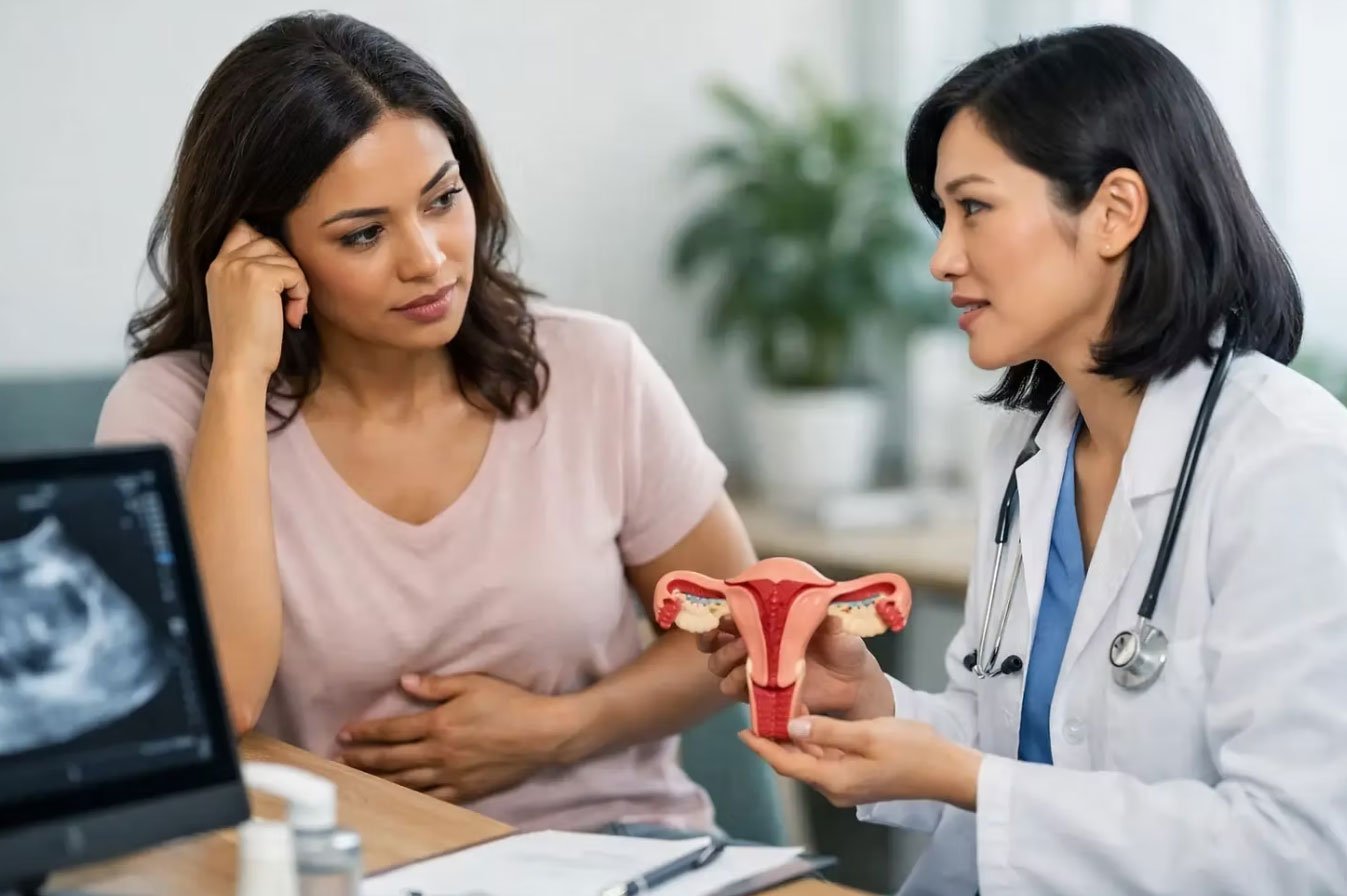
Understanding your ovarian function, reproductive goals, and available treatment options.
What Is Premature Ovarian Failure?
Premature ovarian failure, now more commonly called premature ovarian insufficiency (POI), is a condition in which the ovaries stop functioning normally before the age of 40. It can affect menstrual cycles, estrogen production, fertility, and overall health, although the way it develops and affects each woman can be different.
Understanding Premature Ovarian Insufficiency
POI is different from the normal menopause transition because it occurs at a much younger age. Some women may experience irregular or absent periods, while others may have symptoms related to lower estrogen levels.
Importantly, ovarian activity in POI can sometimes be intermittent. Because of this, the condition is not always the same as complete and permanent loss of ovarian function.
A proper medical evaluation is important to understand the possible cause, hormone status, reproductive goals, and any health issues that may need attention.
Ovarian Function
Ovarian activity may become reduced or irregular before the expected age of natural menopause.
Hormonal Changes
Changes in ovarian hormone production can contribute to menstrual and other symptoms.
Fertility Concerns
Reduced ovarian function can make conception more difficult and may require specialist fertility guidance.
Long-Term Health
Early loss of ovarian function can have implications for bone, cardiovascular, and overall health.
Why Early Evaluation Matters
Irregular or absent periods before age 40 can have several possible causes. A specialist evaluation helps distinguish POI from other conditions and allows appropriate discussion of hormonal health, fertility goals, long-term health, and available management options.
Common Symptoms of Premature Ovarian Insufficiency
Symptoms can vary from one woman to another. Some may notice changes in their menstrual cycle first, while others may experience symptoms related to reduced estrogen levels.
Irregular Periods
Periods may become less predictable, occur less frequently, or change significantly from a person's usual menstrual pattern.
Absent Periods
Menstrual periods may stop for a prolonged period, although the pattern can sometimes fluctuate in premature ovarian insufficiency.
Hot Flushes & Night Sweats
Reduced estrogen levels can cause episodes of feeling unusually warm, sweating, or experiencing night sweats.
Vaginal Dryness
Lower estrogen levels may contribute to vaginal dryness or discomfort for some women.
Sleep & Mood Changes
Some women may experience sleep difficulties, mood changes, irritability, or difficulty concentrating alongside hormonal changes.
Difficulty Conceiving
Reduced or intermittent ovarian function can affect fertility and may lead some women to seek reproductive or fertility evaluation.
When Should You Seek Medical Evaluation?
Changes in menstrual cycles before age 40 should not automatically be assumed to be premature ovarian insufficiency. Pregnancy, hormonal conditions, certain medications, stress, and other medical causes can also affect periods. A gynecologist or reproductive medicine specialist can determine what evaluation is appropriate.
What Causes Premature Ovarian Insufficiency?
Premature ovarian insufficiency can have several possible causes, but in many women the exact reason cannot be identified. Understanding the underlying factors can help guide evaluation and management.
Genetic Factors
Certain genetic or chromosomal conditions can affect ovarian development or function and may contribute to premature ovarian insufficiency.
Autoimmune Conditions
In some cases, immune system disorders may be associated with reduced ovarian function. Further evaluation may be considered when clinically appropriate.
Cancer Treatment
Certain chemotherapy medicines or radiation treatments can affect the ovaries and may lead to reduced ovarian function at a younger age.
Surgery Involving the Ovaries
Some ovarian surgeries or procedures may reduce ovarian reserve or affect ovarian function, depending on the circumstances.
Infections & Other Factors
Certain infections and less common medical conditions have been associated with ovarian dysfunction, although these causes are not present in most cases.
Unknown Cause
For many women, no clear cause is identified even after appropriate evaluation. This is sometimes described as idiopathic POI.
Risk Factors Are Not Always the Cause
A woman may have a potential risk factor without developing POI, while another woman may develop the condition without an obvious risk factor. Medical history and appropriate testing are therefore important when investigating the possible cause.
Why Identifying the Cause Can Help
Understanding the possible underlying cause may help specialists decide whether additional genetic, hormonal, autoimmune, or other evaluations are appropriate and can support a more individualized care plan.
Every Case Needs Individual Evaluation
Premature ovarian insufficiency is not caused by a single condition or factor. A gynecologist, reproductive medicine specialist, or other appropriate clinician can review menstrual history, medical history, medications, family history, and test results to determine the next steps.
How Is Premature Ovarian Insufficiency Diagnosed?
Diagnosing premature ovarian insufficiency involves looking at menstrual history, symptoms, hormone levels, and the individual's medical history. Additional testing may be recommended when needed to understand the possible cause.
A Careful Clinical Assessment
Changes in periods alone do not confirm POI. A specialist will consider the timing and pattern of menstrual changes, symptoms of reduced estrogen, pregnancy status, medications, previous treatments, and other possible explanations for ovarian dysfunction.
Looking Beyond Ovarian Function
Once POI is suspected, clinicians may also consider whether further investigations are appropriate to identify an underlying cause and to assess health areas that can be affected by reduced ovarian function.
Menstrual & Medical History
The specialist reviews menstrual patterns, symptoms, family history, previous illnesses, surgeries, medications, and relevant treatments.
Hormone Testing
Blood tests can help assess reproductive hormone patterns and support the clinical evaluation of suspected ovarian insufficiency.
Pregnancy & Other Causes
Other conditions that can cause absent or irregular periods may need to be considered and ruled out as part of the evaluation.
Additional Investigations
Depending on the individual case, specialists may consider genetic, autoimmune, thyroid, or other investigations to explore possible causes.
Diagnosis Should Be Confirmed by a Specialist
There is no single symptom that confirms premature ovarian insufficiency. A qualified gynecologist or reproductive medicine specialist should interpret symptoms and test results together and decide whether further evaluation is appropriate.
How Is Premature Ovarian Insufficiency Managed?
Management of Premature Ovarian Insufficiency (POI) is individualized. The goal is not only to address menstrual or hormonal symptoms, but also to support bone health, cardiovascular health, emotional well-being, and reproductive goals.
Hormone Therapy
For appropriate women, a specialist may discuss hormone therapy to replace hormones that are no longer being produced adequately and to help manage symptoms and protect long-term health. Suitability depends on individual medical history and contraindications.
Fertility & Reproductive Planning
Fertility planning depends on ovarian activity, age, reproductive goals, and individual circumstances. A fertility specialist can explain established options and help patients understand what may or may not be realistic in their particular situation.
Bone Health
Reduced estrogen levels can affect bone health. Doctors may recommend appropriate monitoring, physical activity, nutrition, and other measures based on a woman's individual risk factors and clinical assessment.
Heart & Metabolic Health
POI can have implications beyond reproductive health. Regular medical follow-up may include attention to cardiovascular risk factors, blood pressure, metabolic health, and other areas that can influence long-term well-being.
Lifestyle & Nutrition Support
Balanced nutrition, regular movement, adequate sleep, avoidance of smoking, and other healthy habits can form part of comprehensive care. Lifestyle recommendations should be tailored to the individual's needs.
Emotional & Psychological Support
A diagnosis of POI can be emotionally difficult, particularly when fertility is an important goal. Counselling or psychological support can be valuable alongside medical and reproductive care.
Management Is More Than Treating Symptoms
Because POI can affect several aspects of health, care often involves more than addressing irregular or absent periods. Long-term monitoring and appropriate specialist support can help address hormonal, bone, cardiovascular, reproductive, and emotional concerns together.
Where Does Stem Cell Therapy Fit In?
Stem cell-based approaches are being investigated as a potential regenerative strategy for ovarian dysfunction. However, they remain an evolving area of research and should not be considered a proven replacement for established POI management.
There is no single treatment plan that is appropriate for every woman with POI. A qualified gynecologist, reproductive medicine specialist, or other appropriate clinician should assess the underlying cause, health risks, symptoms, and reproductive goals before recommending a treatment approach.
Stem Cell Therapy for Premature Ovarian Insufficiency: What Does the Evidence Show?
Stem cell therapy is being investigated as a potential regenerative approach for ovarian dysfunction. Research has explored whether certain cell-based therapies could influence the ovarian environment, but the evidence is still developing and does not yet establish stem cell therapy as a proven cure for Premature Ovarian Insufficiency (POI).
An Emerging Area of Ovarian Regenerative Research
Researchers are studying different types of stem cells and cell-based approaches to understand whether they may support ovarian tissue, cellular signaling, blood supply, or other biological processes involved in ovarian function.
Early laboratory and clinical research has reported findings that are of scientific interest, including changes in some measures of ovarian function in selected patients. However, studies vary considerably in their methods, treatment protocols, patient populations, and outcomes.
This makes it difficult to determine how much benefit an individual patient may receive. Larger, well-designed clinical studies are needed to establish effectiveness, durability of results, safety, and which patients, if any, are most likely to benefit.
Research Is Ongoing
Stem cell-based treatment for POI remains an active area of regenerative medicine research rather than an established standard treatment.
Different Approaches
Studies have investigated different cell sources, preparation methods, treatment routes, and protocols, so results cannot simply be applied to every stem cell treatment.
Outcomes Can Vary
Changes in ovarian markers or menstrual patterns do not necessarily mean restored fertility or a guaranteed ability to conceive.
Safety Matters
Potential risks depend on the cells, procedure, route of delivery, and clinical setting. Appropriate medical assessment and informed consent are essential.
Stem cell therapy should not be promoted as a guaranteed way to restore ovarian function, reverse POI, or achieve pregnancy. Patients considering an investigational or emerging treatment should receive a clear explanation of the available evidence, potential risks, uncertainties, alternatives, and realistic treatment goals from qualified specialists.
Who May Be Considered for Stem Cell Therapy for POI?
Because stem cell therapy for Premature Ovarian Insufficiency (POI) is still an evolving area of research, there is no universally accepted eligibility checklist. A specialist assessment is needed to determine whether an individual may be an appropriate candidate for an investigational treatment approach.
Individual Assessment Comes First
A medical team may review the patient's diagnosis, ovarian function, previous treatments, overall health, reproductive goals, and available medical records before discussing whether a stem cell-based approach is appropriate.
Realistic Expectations Are Important
The purpose of an assessment is also to explain what is currently known and what remains uncertain. Stem cell therapy should not be presented as a guaranteed method of restoring ovarian function or achieving pregnancy.
Confirmed POI Diagnosis
The underlying diagnosis should be carefully reviewed to distinguish POI from other conditions that can cause irregular or absent menstrual cycles.
Ovarian Function Assessment
Available hormone results, ovarian reserve testing, imaging, and other relevant findings may be considered as part of the overall evaluation.
Reproductive Goals
Whether the primary goal is fertility planning, symptom management, or broader ovarian health can influence the discussion and available treatment pathways.
Overall Health
Medical conditions, previous cancer treatment, medications, infections, autoimmune concerns, and other health factors may affect treatment suitability and safety.
Previous Treatment History
Doctors may review previous hormonal, fertility, surgical, or other treatments to understand what has already been tried and what options remain available.
Informed Decision-Making
Patients should understand the potential benefits, limitations, uncertainties, alternatives, and possible risks before deciding whether to pursue an emerging cell-based treatment.
Having Premature Ovarian Insufficiency does not automatically mean that stem cell therapy is suitable. A specialist must evaluate the complete clinical picture and determine whether an investigational treatment is appropriate, available, and ethically offered in the relevant clinical setting.
Potential Benefits and Limitations of Stem Cell Therapy for POI
Stem cell therapy is being studied because of its potential regenerative effects on damaged or dysfunctional ovarian tissue. However, research findings are still evolving, and the possible benefits need to be weighed carefully against uncertainties and potential risks.
Potential Areas of Interest
Supporting the Ovarian Environment
Researchers are investigating whether certain cell-based therapies may influence the ovarian tissue environment through cellular signaling and other biological mechanisms.
Changes in Ovarian Function Markers
Some research has explored changes in hormonal or ovarian-function measures following cell-based interventions, although these findings do not establish a predictable clinical benefit.
Regenerative Medicine Research
The approach forms part of a broader effort to investigate whether regenerative medicine could eventually offer new options for selected reproductive health conditions.
Important Limitations & Risks
Effectiveness Is Not Established
Current evidence does not establish stem cell therapy as a proven treatment that reliably reverses POI or restores normal ovarian function.
Pregnancy Cannot Be Guaranteed
Changes in ovarian markers, hormone levels, or menstrual patterns do not necessarily translate into improved fertility or pregnancy.
Procedure-Specific Risks
Risks can depend on the type of cells, preparation, route of administration, accompanying procedures, and the clinical setting in which treatment is provided.
Choose Evidence Over Promises
Anyone considering stem cell therapy for Premature Ovarian Insufficiency should receive clear information about the quality of available evidence, expected outcomes, potential risks, alternatives, and what remains uncertain. A responsible treatment discussion should never promise guaranteed ovarian rejuvenation, restored fertility, or pregnancy.
What to Expect When Exploring Stem Cell Therapy for POI in India
For patients considering an emerging cell-based approach in India, the process should begin with careful medical review rather than immediately proceeding to treatment. Each case requires an individualized assessment of diagnosis, health status, reproductive goals, and the available evidence.
Medical Records Review
Relevant medical history, menstrual history, hormone reports, imaging, previous treatments, and other available records can be reviewed to understand the patient's condition before a specialist consultation.
Specialist Evaluation
A suitable specialist can assess the diagnosis, overall health, reproductive goals, and whether further investigations are needed before discussing potential treatment pathways.
Treatment Discussion
If a cell-based approach is being considered, the medical team should explain the proposed protocol, available evidence, uncertainties, potential risks, alternatives, and expected follow-up.
Follow-Up & Monitoring
Follow-up is important to assess the patient's clinical response and monitor health over time. The exact monitoring plan depends on the treatment approach and individual circumstances.
Support for International Patients
Patients travelling to India may need help coordinating medical record review, specialist consultations, hospital arrangements, treatment scheduling, accommodation, local transportation, and follow-up communication. These services can make the process easier for patients travelling from outside India.
A Patient-Centered Approach
The focus should remain on understanding the patient's individual needs rather than offering a one-size-fits-all treatment package. Where stem cell therapy is not appropriate, patients should also be informed about established management and reproductive options.
Before travelling for stem cell therapy, patients should ask which type of cells are being used, what clinical evidence supports the approach, how safety is monitored, what outcomes can realistically be expected, and whether the treatment is part of an appropriately governed clinical program or research setting. No provider should guarantee fertility, pregnancy, or complete restoration of ovarian function.
Supporting Your Journey to Specialized POI Care in India
Exploring treatment for Premature Ovarian Insufficiency can involve complex medical decisions, especially when considering an emerging therapy. HealPassage helps patients connect with appropriate specialists and coordinate their care journey in India.
Specialist Coordination
We help coordinate consultations with relevant specialists so patients can discuss their diagnosis, treatment history, reproductive goals, and available options.
Medical Record Review
Existing reports and medical records can be organized for specialist review, helping the clinical team better understand the patient's situation before consultation.
Personalized Care Planning
Treatment discussions are based on individual circumstances rather than assuming that the same approach will be appropriate for every patient.
India Treatment Coordination
For international patients, we can help coordinate consultations, hospital arrangements, scheduling, and other practical aspects of travelling to India for medical care.
Clear Treatment Information
Patients should understand potential benefits, limitations, risks, alternatives, and uncertainties before making decisions about an emerging treatment.
Ongoing Communication
Our coordination approach is designed to keep communication organized throughout the consultation and treatment journey, including support with follow-up arrangements.
Care That Starts With the Right Questions
When considering stem cell therapy for POI, the most important first step is understanding whether the approach is appropriate for you and what evidence supports it. A specialist consultation can help clarify your diagnosis, available conventional options, reproductive goals, and whether an emerging treatment should even be considered.
Focused on Informed Decisions
HealPassage does not replace the role of your treating doctor. Our role is to help make the process of accessing appropriate medical expertise and care in India more organized and easier to navigate.
Treatment suitability and outcomes can vary from patient to patient. Stem cell therapy for Premature Ovarian Insufficiency remains an evolving area of medicine and should not be considered a guaranteed method of restoring ovarian function or achieving pregnancy. Final treatment decisions should be made with qualified medical professionals after an appropriate clinical evaluation.
Stem Cell Therapy for Premature Ovarian Failure: FAQs
Here are answers to common questions about Premature Ovarian Insufficiency (POI), stem cell therapy, treatment expectations, and seeking specialized care in India.
What is premature ovarian failure?
Premature Ovarian Failure is a commonly used term for a condition now more accurately called Premature Ovarian Insufficiency (POI). It refers to reduced or impaired ovarian function before the age of 40 and may affect menstrual cycles, hormone levels, and fertility.
Can stem cell therapy cure premature ovarian insufficiency?
Stem cell therapy has not been established as a proven cure for POI. It is being investigated as a potential regenerative approach, but current research does not justify guaranteeing reversal of POI or restoration of normal ovarian function.
Can stem cell therapy restore fertility in women with POI?
Pregnancy or restored fertility cannot be guaranteed. Some studies have investigated changes in ovarian function or reproductive markers, but these findings do not establish that stem cell therapy reliably restores fertility.
Who may be considered for stem cell therapy for POI?
There is no universally accepted eligibility checklist because this remains an evolving area of research. A specialist may consider the confirmed diagnosis, ovarian function, medical history, previous treatments, overall health, reproductive goals, and the specific treatment being proposed.
What tests may be needed before treatment?
The evaluation may include a detailed medical and menstrual history, pregnancy testing where appropriate, hormone testing, ovarian assessment, imaging, and additional investigations based on the suspected cause and individual clinical history.
Is stem cell therapy for POI available in India?
Availability depends on the specific cell-based approach, clinical setting, medical team, and applicable regulatory and research requirements. Patients should confirm the nature of the proposed treatment and its clinical or research status before making travel or treatment arrangements.
How long does stem cell therapy for POI take?
There is no single standard treatment timeline for investigational stem cell approaches. The duration can depend on the protocol, evaluations required, procedure, recovery, and follow-up schedule. The treating team should provide a patient-specific timeline.
What are the risks of stem cell therapy for POI?
Risks can vary according to the type of cells, how they are prepared, the route of administration, and any associated procedure. Patients should receive a clear explanation of potential risks and uncertainties from the treating medical team before proceeding.
Can I still explore fertility options after a POI diagnosis?
Fertility planning can still be discussed after a POI diagnosis. Options depend on individual circumstances, ovarian activity, age, reproductive goals, and specialist assessment. A reproductive medicine specialist can explain which established options may be relevant.
How can HealPassage help patients seeking treatment in India?
HealPassage can help coordinate specialist consultations, medical record review, treatment planning, and practical arrangements for patients considering medical care in India. Final treatment decisions remain with the qualified treating medical team.
Stem cell therapy for Premature Ovarian Insufficiency is an evolving area of medicine. The information above is for general education and should not replace an individual consultation with a qualified healthcare professional.
Explore Your Treatment Options for Premature Ovarian Insufficiency in India
If you have been diagnosed with Premature Ovarian Insufficiency and are considering regenerative medicine, start with a specialist evaluation. Share your medical history and treatment goals so the appropriate care options can be discussed based on your individual situation.
Stem cell therapy for Premature Ovarian Insufficiency remains an evolving area of medicine. A consultation does not guarantee eligibility, treatment success, restoration of ovarian function, or pregnancy. Treatment decisions should be made with qualified healthcare professionals after appropriate clinical evaluation.
