
Stem Cell Therapy for Traumatic Brain Injury in India
A traumatic brain injury can affect memory, movement, communication, thinking, and everyday life. Recovery is different for every person. Stem cell-based approaches are being studied as a possible way to support brain repair and recovery, but they remain an evolving area of medical research.
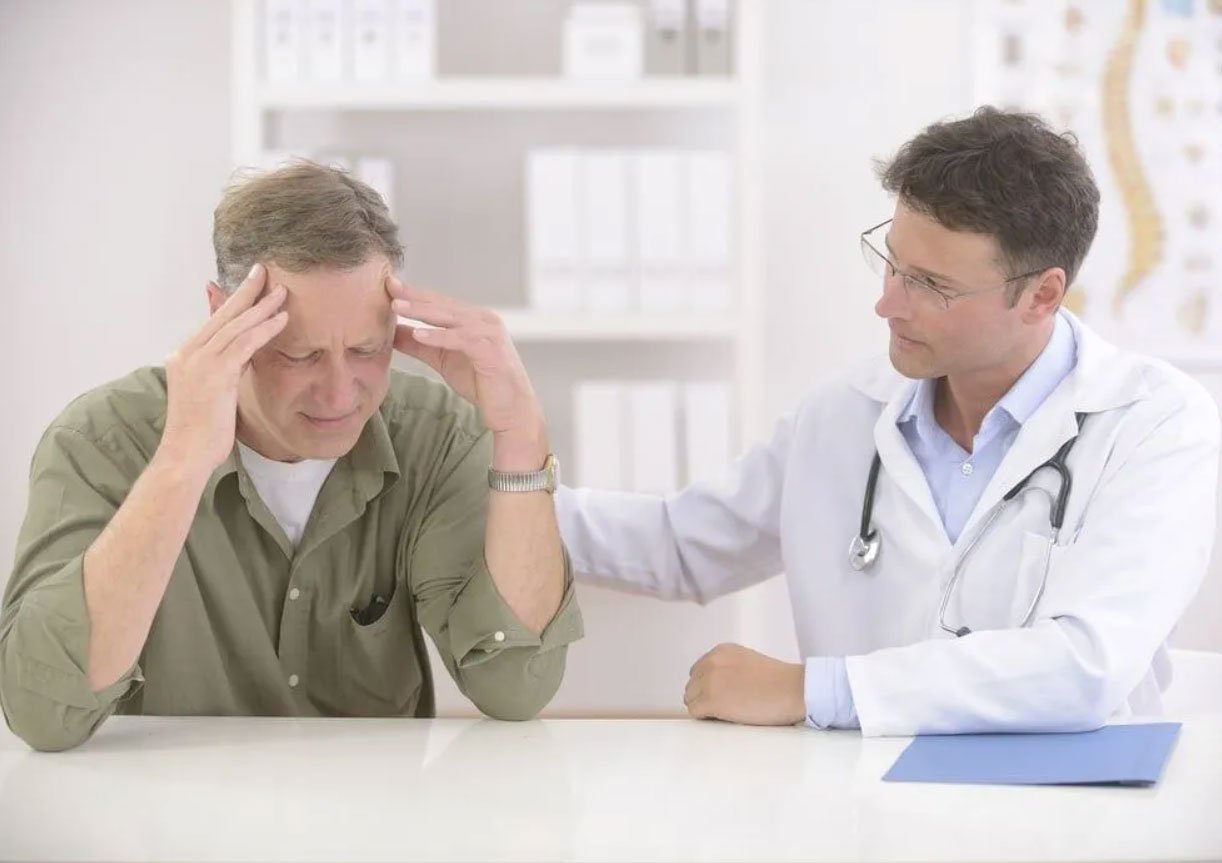
What Is Traumatic Brain Injury?
Traumatic brain injury, often called TBI, happens when a sudden blow, jolt, or other force affects the brain. It can happen after a road accident, fall, sports injury, workplace accident, or another traumatic event.
A Brain Injury Can Affect People in Different Ways
Some people recover quickly after a mild injury, while others may have problems that continue for months or longer. The effects depend on factors such as where the brain was injured, how severe the injury was, and the person's overall health.
TBI can affect areas such as memory, concentration, movement, speech, balance, emotions, and the ability to manage everyday activities. Recovery may also change over time, which is why ongoing medical assessment and rehabilitation can be important.
For people with more significant or long-lasting effects, doctors may consider a combination of medical care, rehabilitation, and supportive therapies based on the individual's needs.
Sudden Brain Injury
TBI usually results from an external force that suddenly affects the brain.
Different Levels of Severity
Injuries can range from mild to severe, with very different effects on each person.
Many Possible Effects
TBI may affect thinking, memory, movement, communication, behavior, or other brain functions.
Recovery Is Individual
Recovery depends on the injury, the person, treatment, rehabilitation, and many other factors.
Why Individual Assessment Matters
A diagnosis of traumatic brain injury does not tell the whole story. Medical records, brain imaging, neurological findings, functional abilities, and the person's recovery journey all help specialists understand the condition and plan appropriate care.
What Are the Different Types of Traumatic Brain Injury?
Traumatic brain injury can affect the brain in different ways. The type of injury, its location, and its severity can all influence symptoms, treatment, and recovery.
Concussion
A concussion is a type of mild traumatic brain injury caused by a blow or sudden movement of the head and brain. Symptoms can include headache, dizziness, confusion, memory problems, or difficulty concentrating.
Brain Contusion
A contusion is a bruise to brain tissue that can occur when the brain moves forcefully inside the skull. Depending on its location and severity, it may affect different brain functions.
Diffuse Brain Injury
Some traumatic injuries affect brain tissue more broadly rather than being limited to one small area. Diffuse injuries can sometimes lead to significant changes in consciousness or neurological function.
Traumatic Brain Bleeding
Trauma can cause bleeding inside or around the brain, including conditions such as subdural or epidural bleeding. These injuries may require urgent medical attention.
Penetrating Brain Injury
A penetrating injury occurs when an object passes through the skull and damages brain tissue. These injuries can be serious and usually require immediate specialist care.
Complex or Multiple Brain Injuries
A person can experience more than one type of brain injury after a major accident. The resulting effects may involve several areas of neurological function and require coordinated rehabilitation.
The Type of Injury Matters
Two people can experience very different symptoms after what appears to be a similar accident. Brain imaging, neurological examination, medical history, and functional assessment help specialists understand the injury and determine appropriate care.
Common Symptoms of Traumatic Brain Injury
TBI does not affect everyone in the same way. Some symptoms may appear immediately, while others can become more noticeable during recovery. The symptoms also depend on the location and severity of the injury.
Headaches & Dizziness
Headaches, dizziness, balance problems, or feeling unsteady can occur after a brain injury and may affect everyday activities.
Memory & Concentration
Some people experience difficulty remembering information, staying focused, solving problems, or processing information as they normally would.
Movement & Coordination
Depending on the injury, TBI can affect strength, coordination, balance, walking, or control of certain movements.
Speech & Communication
Some people may have difficulty speaking, finding words, understanding language, or communicating clearly after a brain injury.
Emotional & Behavioral Changes
Changes in mood, frustration, irritability, emotional control, or behavior can sometimes occur following TBI.
Fatigue & Sleep Problems
Ongoing tiredness, changes in sleep patterns, or difficulty getting enough restful sleep may affect recovery and daily life.
Symptoms Can Change Over Time
TBI recovery is not always a straight line. Some symptoms may improve gradually, while others may continue or become more noticeable later. New, worsening, or concerning symptoms should be discussed with a qualified medical professional.
What Causes Traumatic Brain Injury?
A traumatic brain injury can happen whenever a sudden force causes the brain to move, twist, or become damaged. Some injuries happen in everyday accidents, while others occur during serious trauma.
Road Traffic Accidents
Car, motorcycle, bicycle, and other road accidents are important causes of traumatic brain injury. A sudden impact can cause the head and brain to move forcefully.
Falls
Falls can cause the head to strike a hard surface or create a sudden movement of the brain inside the skull. Falls can affect people of all ages.
Sports Injuries
Contact sports, collisions, and other sporting activities can sometimes result in concussion or more significant traumatic brain injury.
Workplace Accidents
Construction incidents, falls from height, equipment-related accidents, and other workplace events can result in serious head and brain injuries.
Physical Trauma
A direct blow to the head or another forceful event can injure brain tissue even when there is no obvious external wound.
Other Traumatic Events
TBI can also occur during other situations involving sudden impact, acceleration, or penetration that affects the head or brain.
The Cause Can Affect the Injury
The force involved, the direction of impact, the area affected, and whether other injuries occurred at the same time can all influence the type and severity of brain injury.
When Medical Assessment Matters
A suspected significant head injury should be assessed promptly by a qualified medical professional. Imaging and neurological evaluation may be needed depending on the circumstances and symptoms.
How Is Traumatic Brain Injury Diagnosed?
Diagnosing a traumatic brain injury starts with understanding what happened, what symptoms are present, and how the brain and body are functioning. Doctors may use several types of assessment depending on the injury.
A Complete Picture of the Injury
A specialist may review the circumstances of the accident, symptoms, previous medical history, and changes in memory, movement, speech, alertness, or behavior. This helps build a clearer picture of the patient's condition.
Testing Depends on the Patient
Not everyone needs the same tests. The choice of imaging, neurological assessment, and other investigations depends on the type and severity of the injury and the person's symptoms.
Medical History
Doctors review how the injury happened, when symptoms began, previous medical conditions, medications, and any treatment received after the accident.
Neurological Examination
A neurological examination may assess alertness, memory, coordination, movement, sensation, speech, vision, and other brain functions.
CT Scan
A CT scan can help doctors look for certain forms of bleeding, swelling, fractures, or other structural changes after a significant head injury.
MRI Scan
MRI provides detailed images of brain structures and may be useful in selected cases, particularly when more detailed assessment is needed.
Cognitive Assessment
Depending on the situation, cognitive testing may help evaluate memory, attention, thinking, language, and other abilities affected by the injury.
Functional Assessment
Doctors and rehabilitation specialists may also look at how the injury affects movement, communication, daily activities, and independence.
Why Accurate Evaluation Matters
Understanding the type and effects of a brain injury helps doctors and rehabilitation teams create a more appropriate care plan. If symptoms are new, severe, or getting worse after a head injury, prompt medical evaluation is important.
How Is Traumatic Brain Injury Treated?
Treatment for traumatic brain injury depends on the type and severity of the injury, the symptoms involved, and the person's overall condition. Some people need urgent medical care, while others may need ongoing rehabilitation and support during recovery.
Treatment Depends on the Injury
There is no single treatment plan that works for every TBI. Doctors consider the patient's symptoms, brain imaging, neurological findings, and functional needs when deciding what type of care may be appropriate.
Recovery May Take Time
Recovery can look different from one person to another. Medical treatment may be combined with rehabilitation to help a person work toward improvements in movement, communication, thinking, and everyday activities.
Emergency Medical Care
Serious head injuries may require urgent assessment and hospital care. Doctors focus on stabilizing the patient, identifying complications, and protecting brain function.
Medicines & Medical Management
Depending on the injury and symptoms, medical management may be used to address pain, seizures, swelling, or other complications under appropriate medical supervision.
Surgery for Selected Injuries
Some traumatic brain injuries may require surgery, particularly when there is bleeding, pressure on the brain, or another problem that needs surgical treatment.
Physical Rehabilitation
Physical therapy may help address problems with strength, balance, movement, and coordination when these difficulties occur after a brain injury.
Speech, Language & Cognitive Rehabilitation
Speech and rehabilitation specialists may help with communication, memory, attention, thinking skills, and other challenges that affect daily life.
Long-Term Follow-Up
Some people continue to experience symptoms after the initial injury. Ongoing medical reviews and rehabilitation can help monitor progress and adjust support when needed.
Recovery is individual. Rehabilitation can be an important part of TBI care, but the expected recovery and treatment plan depend on the person's specific injury, symptoms, and overall health. Stem cell therapy should not be considered a replacement for established medical treatment or rehabilitation.
What Does the Research Say About Stem Cell Therapy for TBI?
Stem cell therapy is being studied as a possible approach to support recovery after traumatic brain injury. Researchers are exploring whether certain cell-based therapies may influence inflammation, tissue repair, and the brain's healing environment.
A Promising Area of Research
After a traumatic brain injury, the brain can go through a complex process involving inflammation, changes in blood flow, and damage to brain cells and supporting tissues. Stem cell research is investigating whether cell-based therapies could help create a more supportive environment for recovery.
But the Evidence Is Still Developing
Stem cell therapy for TBI is not an established cure, and research has not yet shown that it can reliably restore brain function for every patient. Results may vary based on the type of injury, timing, treatment approach, and individual health factors.
Brain Repair Research
Researchers are studying whether cell-based approaches may support processes involved in tissue repair and recovery after brain injury.
Inflammation & Recovery
Some research focuses on how certain cell therapies might affect inflammatory responses and the environment surrounding injured brain tissue.
Clinical Research
Clinical studies continue to examine different cell types, treatment methods, dosing approaches, and patient groups to better understand safety and potential effectiveness.
Recovery May Differ
A person's outcome can depend on factors such as injury severity, affected brain areas, existing health conditions, rehabilitation, and time since the injury.
Not a Replacement for Rehabilitation
Established medical care and rehabilitation remain important parts of TBI recovery. Stem cell therapy should be discussed as a potential additional approach, not a substitute for standard care.
Specialist Assessment Matters
A specialist can review the injury history, current symptoms, previous treatment, imaging, and rehabilitation progress before discussing whether a cell-based approach may be appropriate.
Important: Stem cell therapy for traumatic brain injury remains an evolving area of medical research. Potential benefits, limitations, and risks should be discussed carefully with an appropriately qualified medical team. No outcome should be guaranteed.
Who May Be Considered for Stem Cell Therapy for TBI?
Stem cell therapy is not suitable for every person with traumatic brain injury. A specialist evaluation is important to understand the nature of the injury, current condition, previous treatment, and whether a cell-based approach is medically appropriate to discuss.
There Is No One-Size-Fits-All Criteria
Factors such as the severity and location of the brain injury, current symptoms, recovery progress, previous medical care, and overall health may all be considered. Eligibility should be decided by a qualified medical team rather than by symptoms alone.
A Detailed Review Comes First
Before discussing treatment options, the medical team may review previous scans, medical records, neurological findings, rehabilitation history, medications, and the person's current functional needs.
Documented Brain Injury
The medical team may first confirm the nature and history of the traumatic brain injury through available medical records, examinations, and imaging.
Ongoing Neurological Challenges
Current difficulties involving movement, communication, memory, attention, or other neurological functions may be reviewed as part of the overall assessment.
Previous Treatment & Rehabilitation
Doctors may consider what conventional treatment and rehabilitation the person has already received and how their condition has changed over time.
Overall Health
General health, existing medical conditions, medications, and other factors can influence whether a particular treatment approach can be considered safely.
Realistic Treatment Goals
A specialist should discuss what the treatment is intended to achieve and what remains uncertain, so patients and families can make informed decisions.
Individual Medical Assessment
Final consideration depends on the individual case. A consultation is needed to determine whether stem cell therapy is appropriate to discuss and what alternatives may be available.
Important: Being considered for stem cell therapy does not mean that treatment will be recommended or that a particular outcome can be expected. The decision should be based on an individualized medical assessment and a clear discussion of potential benefits, risks, uncertainties, and available alternatives.
What Are the Potential Benefits and Risks?
Stem cell therapy is being investigated for its possible role in recovery after traumatic brain injury. It is important to look at both the potential benefits and the uncertainties before considering treatment.
Potential Support for Brain Recovery
Research is exploring whether certain cell-based therapies may support processes involved in tissue repair and recovery after neurological injury.
Possible Effects on the Injury Environment
Some approaches are being studied for their potential effects on inflammation, cell signaling, and the environment surrounding injured brain tissue.
Individualized Treatment Planning
A specialist assessment can help determine whether a cell-based approach is worth discussing alongside established treatment and rehabilitation.
Evidence Is Still Limited
Research findings are still developing, and there is not enough evidence to guarantee that stem cell therapy will restore specific functions or produce the same result in every patient.
Possible Treatment Risks
Depending on the cell product and treatment method, potential risks can include infection, immune reactions, complications related to the procedure, or other unexpected effects.
Results Cannot Be Guaranteed
Outcomes can vary considerably. Factors such as injury severity, overall health, rehabilitation, timing, and the specific treatment approach may influence recovery.
What Patients Should Ask
Before treatment, patients and families should understand what type of cells are being considered, how the treatment is administered, what evidence supports the approach, what risks may exist, and how follow-up care will be managed.
Standard Care Still Matters
Stem cell therapy should not be presented as a replacement for emergency care, medical treatment, or rehabilitation. These remain important parts of managing traumatic brain injury and supporting recovery.
Important: Stem cell therapy for TBI remains an evolving area of research. Potential benefits and risks depend on the individual patient and the specific treatment being considered. A qualified medical team should explain the available evidence and uncertainties before any decision is made.
Stem Cell Therapy for Traumatic Brain Injury in India
For patients exploring cell-based treatment in India, the process should begin with a detailed review of the brain injury and previous treatment. The goal is to understand the patient's needs before discussing whether stem cell therapy is an appropriate option.
Personalized Medical Evaluation
Every TBI is different. A medical team may review previous scans, treatment records, neurological symptoms, rehabilitation progress, medications, and general health before discussing potential treatment options.
Care Should Be Planned Around the Patient
The treatment journey may involve specialist consultation, medical assessment, rehabilitation planning, treatment discussions, and follow-up. The exact process depends on the individual case and the treatment approach being considered.
Share Medical Records
Previous MRI or CT reports, discharge summaries, treatment history, rehabilitation records, and current medical information can help the specialist understand the case.
Specialist Consultation
The medical team reviews the patient's condition and discusses the injury, current challenges, previous care, and possible treatment options.
Eligibility Assessment
If a cell-based approach is being considered, the medical team evaluates whether the patient may be medically suitable and explains the limitations of the evidence.
Treatment Planning
If treatment is considered appropriate, the team can discuss the proposed approach, expected process, possible risks, alternatives, and follow-up requirements.
Rehabilitation & Support
Rehabilitation remains an important part of neurological recovery. Depending on individual needs, this may include physical, occupational, speech, or cognitive support.
Follow-Up
Follow-up helps the medical team monitor the patient's condition and discuss changes in symptoms, function, rehabilitation, and ongoing care needs.
Important: Treatment availability, medical eligibility, cell type, protocol, costs, and follow-up requirements can vary between patients and providers. A consultation is necessary before making decisions about stem cell therapy.
Why Choose HealPassage for TBI Care in India?
Exploring treatment for traumatic brain injury can feel complicated, especially when you are considering care in another country. HealPassage helps patients and families understand their options and coordinate the next steps with an appropriate medical team.
Personalized Case Review
We help organize the patient's medical information so the treating team can review the injury history, current condition, previous treatment, and rehabilitation progress.
Specialist Coordination
We help connect patients with appropriate specialists and coordinate communication around consultations and treatment planning.
Clear Treatment Information
Patients can receive understandable information about the proposed care pathway, evaluation process, expected steps, and questions to discuss with the medical team.
Travel Planning Support
For patients travelling to India, practical coordination can help make the healthcare journey easier to plan around consultations, treatment, accommodation, and timing.
Communication Support
We help patients and families communicate their medical history and understand the information shared during the treatment journey.
Ongoing Coordination
Support can continue through different stages of the journey, including appointments, treatment coordination, and follow-up planning where applicable.
Focused on Informed Decisions
Our goal is to help patients understand their options rather than promise a particular outcome. Treatment decisions should always be made with the treating medical team after reviewing the individual case.
Support for Patients & Families
Brain injury can affect the whole family. Clear communication, practical coordination, and access to the right medical information can make the treatment journey easier to understand and manage.
Important: HealPassage facilitates healthcare coordination and does not guarantee eligibility, treatment results, or recovery. Medical decisions are made by qualified treating professionals after individual assessment.
FAQs About Stem Cell Therapy for TBI
Here are some common questions patients and families ask when exploring stem cell therapy for traumatic brain injury.
Can stem cell therapy cure traumatic brain injury?
Stem cell therapy should not be described as a proven cure for traumatic brain injury. It is an evolving area of research, and current evidence does not support guaranteeing recovery or restoration of brain function for every patient.
Is stem cell therapy for TBI still being researched?
Yes. Researchers continue to study different cell-based approaches for neurological injuries, including traumatic brain injury. Studies are looking at safety, possible biological effects, treatment methods, and whether meaningful functional benefits can be achieved.
Who may be considered for stem cell therapy after TBI?
There is no single eligibility rule for every patient. A specialist may consider the type and severity of the injury, current symptoms, previous treatment, rehabilitation history, medical records, imaging, and overall health before discussing whether a cell-based approach is appropriate.
Can stem cell therapy replace TBI rehabilitation?
No. Rehabilitation remains an important part of care for many people with TBI. Physical, occupational, speech, and cognitive rehabilitation may be recommended based on individual needs. Stem cell therapy should not be presented as a replacement for established medical care or rehabilitation.
What medical records are useful for a TBI consultation?
Previous CT or MRI reports, hospital and discharge records, treatment history, neurological assessments, rehabilitation reports, medication information, and details about current symptoms can help the medical team understand the case.
Is stem cell therapy for TBI available in India?
Cell-based treatments and research programs may differ by provider, treatment type, and clinical setting. Patients should have the specific proposed therapy reviewed by a qualified medical team, including its evidence, regulatory status, risks, and alternatives.
How long does recovery from traumatic brain injury take?
Recovery varies widely. Some people improve relatively quickly, while others may experience challenges for a much longer period. Injury severity, affected brain areas, overall health, treatment, and rehabilitation can all influence the recovery process.
Can HealPassage help me explore TBI treatment in India?
HealPassage can help coordinate a medical case review and connect patients with appropriate healthcare professionals in India. Treatment suitability and medical decisions are determined by the treating specialists after reviewing the individual case.
Medical disclaimer: The information on this page is for general educational purposes and should not replace advice from a qualified healthcare professional. Stem cell therapy for traumatic brain injury remains an evolving area of research, and individual treatment decisions require specialist evaluation.
Explore Your Traumatic Brain Injury Treatment Options in India
Every traumatic brain injury is different. If you are exploring stem cell therapy or other treatment options in India, the first step is to understand the patient's medical history, current condition, previous treatment and individual goals. Our team can help coordinate a specialist review and explain the next steps.
Stem cell therapy for traumatic brain injury is an evolving area of medical research, and suitability, potential benefits, risks and treatment availability vary by patient. It should not be considered a guaranteed cure or a replacement for established TBI treatment and rehabilitation. Final medical decisions should be made with a qualified specialist after an individual assessment.