
Stem Cell Therapy for Muscular Dystrophy in India
Muscular dystrophy is a genetic condition, and stem cell research in this space is still developing. HealPassage connects families with neuromuscular specialists in India who can give an honest, evidence-based picture of what current research supports — and what supportive care options are available today.
Muscular dystrophy currently has no cure. Standard care (physiotherapy, respiratory and cardiac monitoring, and in some types, approved medications) remains the foundation of treatment — any research-stage option should be considered alongside, not instead of, this care.

What Is Muscular Dystrophy?
Muscular dystrophy isn't a single disease — it's a group of over 30 genetic disorders that cause progressive muscle weakness. The specific type matters enormously for what to expect and which options are relevant.
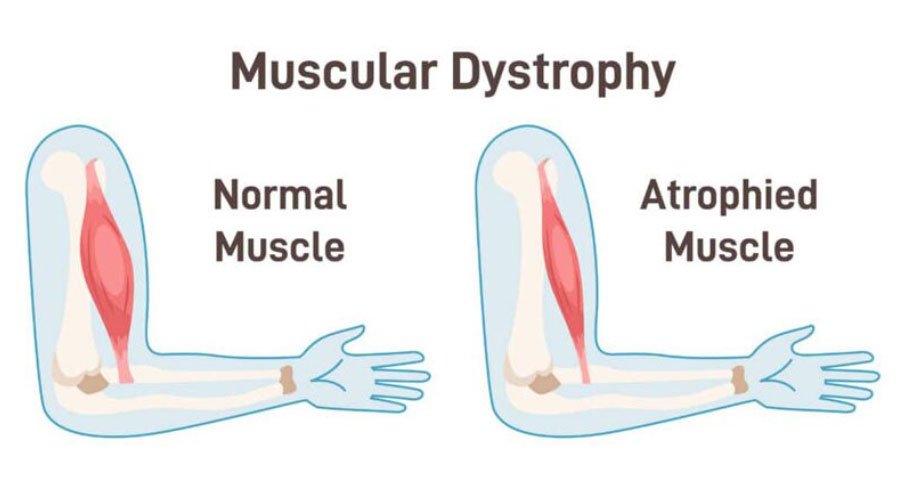
Muscular dystrophy is caused by mutations in genes responsible for producing proteins that keep muscle fibers structurally healthy. The most well-known of these is dystrophin, a protein that helps protect muscle cells from damage during contraction. Without functioning dystrophin or related proteins, muscle fibers break down faster than the body can repair them, leading to progressive weakness over time.
Because it's genetic, muscular dystrophy is typically inherited, though the pattern of inheritance and severity varies significantly by type. Some forms appear in early childhood and progress quickly; others emerge in adulthood and progress much more slowly.
This variation is exactly why there's no single treatment approach — and why any discussion of stem cell research needs to be specific to the type and stage you or your family member is dealing with.
Common Types of Muscular Dystrophy
Duchenne Muscular Dystrophy (DMD)
Most SevereThe most common and severe form, almost exclusively affecting boys. Symptoms typically begin between ages 2–6, progressing to loss of ambulation in the teens and affecting heart and respiratory muscles over time.
Becker Muscular Dystrophy (BMD)
Milder, SlowerCaused by mutations in the same gene as Duchenne, but producing partially functional dystrophin. Onset is typically later, and progression is slower and more variable.
Myotonic Dystrophy
Adult-Onset CommonThe most common adult-onset form, affecting muscles alongside other systems (heart, eyes, hormones). Muscle stiffness (myotonia) is a distinguishing feature.
Limb-Girdle Muscular Dystrophy
VariableA group of subtypes primarily affecting the shoulder and hip muscles. Age of onset and progression speed vary widely depending on the specific genetic subtype involved.
Common Symptoms
Progressive Weakness
Gradual loss of muscle strength, often starting in the hips, thighs, and shoulders.
Difficulty with Movement
Trouble running, climbing stairs, or rising from a seated position.
Delayed Milestones
In childhood-onset forms, later walking or frequent falls compared to peers.
Calf Muscle Enlargement
A common early sign in Duchenne, caused by muscle tissue being replaced with fat and scar tissue.

Is Research-Stage Treatment Worth Exploring?
Because muscular dystrophy is caused by a genetic mutation, candidacy here is about understanding realistic goals — supporting muscle health and quality of life — rather than reversing the underlying condition.
An important starting point
Because muscular dystrophy stems from a genetic mutation affecting proteins muscle cells need to function, stem cells alone cannot correct the underlying genetic cause. Current research generally focuses on supporting muscle tissue health, potentially slowing functional decline, or working alongside emerging gene-targeted therapies — not curing the condition. Any treatment approach should be evaluated with this reality in mind.
Worth Discussing Further If:
- ✓You have a confirmed genetic diagnosis and are looking to understand all available and research-stage options for supportive care.
- ✓You're interested in registered clinical trials or accredited research programs, not unverified clinic procedures.
- ✓You understand this is about supporting muscle and overall function, not reversing the condition.
- ✓You're willing to continue standard care (physiotherapy, cardiac/respiratory monitoring, prescribed medications) alongside any exploration of newer options.
Be Especially Cautious If:
- !A provider promises to "reverse" or "cure" muscular dystrophy — no current treatment can correct the underlying genetic mutation.
- !You're advised to stop or reduce standard care (physiotherapy, cardiac monitoring, or prescribed medication) in favor of a stem cell treatment alone.
- !The provider can't clearly explain which specific cells are used, how they're expected to help, or what the documented risks are.
- !There's significant cardiac or respiratory involvement that hasn't been properly assessed and stabilized first — this affects overall treatment safety.
Our approach: If you reach out about muscular dystrophy, we connect you with a neuromuscular specialist who reviews the specific type, stage, and any cardiac/respiratory involvement before discussing whether any research-stage option is relevant. We will be direct with you about what current science does and doesn't support — including when the honest answer is that standard supportive care remains the best path forward.
What Happens When You Reach Out
Contacting us doesn't mean committing to treatment. Here's exactly what to expect — nothing more.
Share Your Reports
Send your medical reports and a short note about your condition via the form or WhatsApp — takes about 2 minutes.
A Specialist Reviews Your Case
A qualified specialist looks at your case and gets back to you, typically within 24 hours.
You Get an Honest Opinion
You'll hear plainly whether treatment is worth exploring for you — including if the answer is no. No obligation to proceed.
The Specialists Behind Your Treatment Plan
Your case isn't reviewed by a call center — it's assessed by qualified specialists at accredited hospitals across our partner network in India.
Senior Orthopedic Surgeon
Reviews cases related to knee osteoarthritis, avascular necrosis, tendon repair, and other joint-related conditions.
Consultant Neurologist
Reviews cases related to stroke recovery, Parkinson's, multiple sclerosis, muscular dystrophy, and spinal cord injuries.
Consultant Endocrinologist
Reviews cases related to Type 1 and Type 2 diabetes, and other metabolic and hormonal conditions.
A wider network, matched to your condition
These are representative specialties within our partner network — the specific doctor who reviews your case will depend on your condition and will be confirmed once you share your medical reports. All specialists we work with are licensed, hospital-affiliated professionals, not staff at standalone stem cell clinics.
HealPassage vs. Contacting a Clinic Directly
You can always research and contact providers on your own. Here's what that typically looks like compared to going through a coordinated, vetted process — so you can decide what's right for you.
| What You Get | With HealPassage | Going Direct, On Your Own |
|---|---|---|
| Provider Vetting | ✓ Every specialist and facility is pre-screened against our own review criteria before we work with them | ! You're responsible for researching and verifying credentials yourself, often from limited public information |
| Independent Second Opinion | ✓ We're not the ones performing treatment, so our review has no incentive to oversell a procedure to you | ! The clinic assessing your case is often the same one financially benefiting from recommending treatment |
| Case Coordination | ✓ One point of contact manages reports, specialist matching, travel, and scheduling for you | ! You manage communication, documentation, and logistics across multiple parties yourself |
| Transparent Pricing | ✓ Written, itemized estimates before you commit to anything | ! Pricing clarity varies significantly by provider, and costs can surface later in the process |
| Post-Treatment Support | ✓ We stay in touch after you return home and help coordinate with your local doctor if needed | ! Follow-up support typically ends once you leave the country, unless separately arranged |
| Honest "This May Not Be Right for You" | ✓ We tell you directly if treatment isn't appropriate for your case, even if that means no booking | ! Not every provider has an incentive to turn away a paying patient |
This comparison reflects general patterns we've seen across the medical tourism space, not a claim about any specific provider. Many independent clinics operate responsibly — our point is simply that coordinated, independent review adds a layer of protection that's harder to replicate on your own.
More Than Medical Coordination — Full Travel Support
We handle the logistics of traveling for treatment, so you can focus on your health.
Visa Assistance
Support with invitation letters and medical visa guidance
Currency & Payment
Multiple payment options and upfront cost clarity
Language Support
Translators available so nothing gets lost in communication
Airport Pickup
Met on arrival and transported directly to your accommodation
Stay Arrangements
Guidance on accommodation near your treatment facility
Frequently Asked Questions
Honest answers to what families most often ask about stem cell research for muscular dystrophy.
No. Muscular dystrophy is caused by a genetic mutation, and no current stem cell treatment can correct that underlying genetic cause. Research in this area generally focuses on supporting muscle tissue health and function, not reversing or curing the condition. Be cautious of any provider claiming otherwise.
Yes. Gene therapy approaches (like exon-skipping or gene replacement) aim to address the genetic mutation itself and are a separate, rapidly evolving field with their own approved treatments for specific mutation types. Stem cell approaches are generally more supportive in nature — aiming to help muscle tissue function better, rather than correcting the gene. The two are sometimes discussed together but work very differently.
Significantly. Duchenne, Becker, myotonic, and limb-girdle muscular dystrophy all involve different genes, progression patterns, and severity. Any specialist review needs to know your specific diagnosis and genetic subtype (if confirmed) to give an honest opinion — general claims that apply to "muscular dystrophy" as a whole should be treated with caution.
No. Physiotherapy, cardiac and respiratory monitoring, and any prescribed medications remain the foundation of care for muscular dystrophy. Any research-stage option should be explored alongside this standard care, never as a replacement for it. A responsible specialist will never suggest stopping your current treatment plan.
Look for a neuromuscular specialist (not just a general practitioner) who takes time to review your genetic diagnosis, current symptoms, and cardiac/respiratory status. They should clearly explain what the treatment aims to do, what the realistic goals are, and what the documented risks are — not just potential benefits.
Genetic test results confirming the type of muscular dystrophy (if available), recent cardiac and respiratory function tests, current medications, and a summary of how the condition has progressed so far. This helps our partner specialists give a more accurate and honest initial opinion.
We'll tell you directly. Our role is to give you an honest, specialist-reviewed picture — not to find a way to say yes regardless of your situation. If a research-stage option isn't a good fit, we'll explain why, and you're always free to continue focusing on standard supportive care with your existing medical team.
Have a diagnosis and want an honest specialist opinion?
