
Stem Cell Therapy for Alzheimer's Disease in India
If you're looking into stem cell treatment for Alzheimer's — for yourself or someone you love — we want to give you a straight answer, not false hope. HealPassage connects families with neurology specialists in India who can explain, in plain terms, what's actually possible today.
There is currently no cure for Alzheimer's disease, and no stem cell treatment that reverses memory loss. We won't tell you otherwise. What we can do is give you an honest opinion and point you toward what genuinely helps.

What Is Alzheimer's Disease?
In simple terms — here's what's actually happening, and why it's such a hard condition to treat.
Alzheimer's is a condition that slowly damages the brain over time. It's the most common cause of memory loss and confusion in older adults, though it isn't a normal part of aging — it's a disease.
Over time, the brain cells involved in memory and thinking stop working properly and gradually die off. This is why symptoms usually start small — forgetting recent conversations or misplacing things — and slowly get worse over the years, eventually affecting the ability to carry out everyday tasks and recognize loved ones.
Because brain cells don't easily regrow once they're lost, this is one of the hardest conditions in medicine to treat, let alone reverse. That's important to understand honestly before looking into any treatment option, including stem cells.
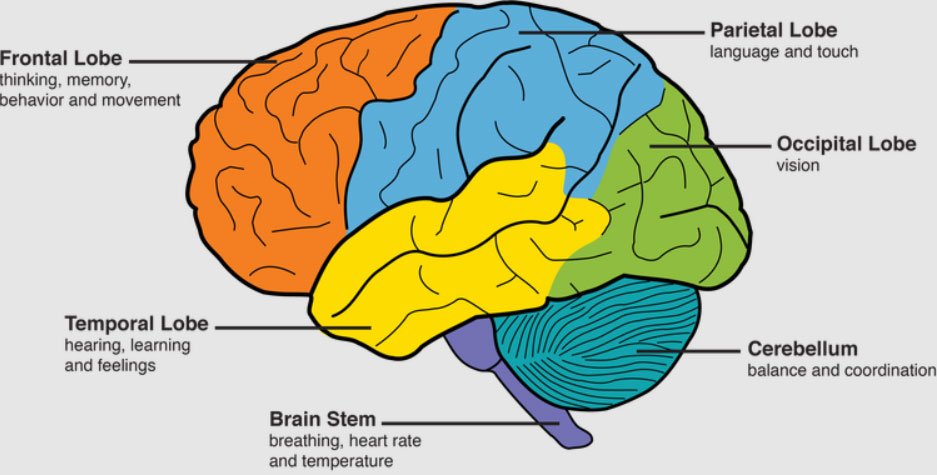
How It Usually Progresses
Early Stage
Mild forgetfulness — misplacing items, repeating questions, or struggling to find the right word. Often mistaken for normal aging at first.
Middle Stage
Memory problems become more noticeable. Confusion about time or place, difficulty with daily tasks, and changes in mood or behavior are common.
Later Stage
Significant memory loss, difficulty communicating, and needing full-time support with daily activities and personal care.
Common Early Signs
Forgetting Recent Things
Repeating questions or forgetting recent conversations and events.
Trouble Planning Tasks
Difficulty following a recipe, managing bills, or keeping track of steps in a task.
Getting Confused or Lost
Losing track of dates, or feeling confused about familiar places.
Mood or Personality Changes
Becoming unusually withdrawn, anxious, suspicious, or easily upset.
Should You Consider This for Your Loved One?
We'd rather give you the truth now than a false hope later. Here's how to think about it.
The honest truth about stem cells and Alzheimer's
Right now, there is no stem cell treatment that reverses Alzheimer's or brings back lost memory. A small amount of early research exists, but it's nowhere close to being a real treatment yet, and it isn't something you can walk in and get done. If anyone tells you otherwise — especially if they ask for a lot of money and promise real improvement — please be very careful. This is one of the most common areas where families are taken advantage of.
It's Worth Talking to a Specialist If:
- ✓You just want to understand the diagnosis better, and what to expect going forward.
- ✓You want to know if your loved one might qualify for a genuine, registered research trial.
- ✓You want honest guidance on what actually helps with daily life and quality of life right now.
- ✓You've seen an offer for stem cell treatment and want a second opinion before spending any money.
Please Be Careful If:
- !Someone promises the treatment will "reverse" memory loss or bring back who your loved one used to be.
- !You're asked to pay a large amount upfront before anyone reviews the medical history properly.
- !The treatment is offered at a small clinic rather than a proper hospital.
- !You're told your loved one can stop their current medication to do this instead.
What we'll actually do for you: If you contact us, a specialist will look at the diagnosis and give you a straight answer — including telling you clearly if there's nothing meaningful to offer right now. We won't sell you false hope. Where we can, we'll also point you toward things that genuinely help with day-to-day care and quality of life.
Support for Families, Beyond Treatment
Caring for someone with Alzheimer's is hard, day after day. These are things that genuinely help — and they don't depend on any stem cell treatment being available.
A Good Memory Care Doctor
A doctor who specializes in memory and aging can help manage symptoms, adjust medication over time, and guide you through what to expect at each stage — even without a cure.
Daily Routine & Structure
A simple, predictable daily routine can genuinely reduce confusion and agitation — small things like regular meal times and familiar activities make a real difference.
Support for the Caregiver Too
Caregiver stress and burnout are real and common. Support groups, even a few hours of respite care each week, and talking to others going through the same thing can help more than people expect.
Planning Ahead, Early
Sorting out legal, financial, and care decisions earlier — while your loved one can still be involved — makes things significantly easier for everyone later on.
Our promise to you: If you reach out to us and stem cell treatment isn't a realistic option — which, honestly, is very often the case with Alzheimer's — we won't just say no and leave it there. We'll try to point you toward memory care specialists, caregiver support groups, or other resources that can genuinely help.
What Happens When You Reach Out
Reaching out doesn't mean committing to anything. Whether you're asking for yourself or for a parent or spouse, here's exactly what to expect.
Tell Us About the Diagnosis
Share the diagnosis, how long symptoms have been going on, and any reports you have — through the form or WhatsApp.
A Specialist Looks at the Case
A neurology specialist reviews it and gets back to you, usually within 24 hours.
You Get a Straight Answer
We'll tell you plainly what's realistic — including if the honest answer is that there's nothing to offer right now. No pressure, no sales pitch.
Frequently Asked Questions
Straight answers to what families most often ask us about Alzheimer's and stem cells.
No. As of today, there is no stem cell treatment that cures Alzheimer's or restores memory that's already been lost. Some very early research is being done, but it's not close to being a real, available treatment. Please be cautious of anyone who tells you differently.
Because a lot of families search for this, and we'd rather give you an honest answer than let you find one from a clinic that overpromises. If there's ever a genuine, credible option worth discussing, we'll tell you. Right now, our biggest value on this topic is honesty and pointing you toward real support.
We'd encourage real caution here. If a clinic promises noticeable improvement in memory or thinking through stem cells, and especially if they're asking for a large payment upfront, that's a red flag. Feel free to share the details with us — we're happy to give you an honest second opinion before you spend any money.
Yes — while there's no cure, there are things that genuinely help manage symptoms and improve day-to-day life: certain medications, a good memory care doctor, structured daily routines, and support for the caregiver too. We're happy to point you in the right direction, even if it's not something we handle directly.
Of course. Most people who contact us about Alzheimer's are asking on behalf of someone else. You can share the details and we'll talk it through with you directly.
The diagnosis (if there is one), roughly how long symptoms have been happening, and any reports or scans you already have. That's usually enough for a specialist to give you an honest, useful answer.
No. If there's genuinely nothing useful to offer, we'll say so directly. Our reputation matters more to us than pushing a treatment that won't actually help your family.
Have questions, or want a second opinion on something you've been told?
Talk to a Specialist — Free →