
Stem Cell Therapy for Optic Nerve Atrophy in India
Optic nerve atrophy occurs when damage to the optic nerve leads to loss of nerve fibers and can result in reduced vision. Because the condition can have different underlying causes, understanding the reason for the nerve damage is an important first step when considering treatment or emerging regenerative approaches.
- Individual cause and history matter
- Ophthalmology-led evaluation
- India-based care coordination
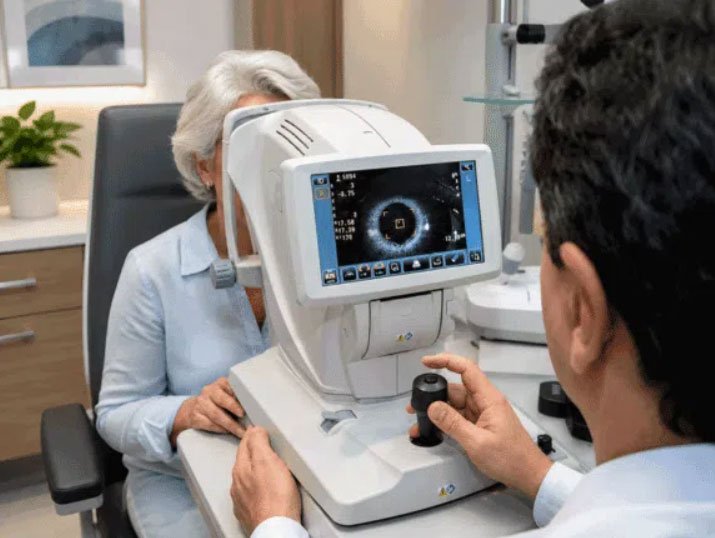
What Is Optic Nerve Atrophy?
Optic nerve atrophy is a condition in which the optic nerve becomes damaged and loses nerve fibers. Since the optic nerve carries visual information from the eye to the brain, damage to it can lead to reduced vision or changes in how a person sees.
A Condition That Can Have Different Causes
Optic nerve atrophy is not a single disease with one underlying cause. It can develop after problems that affect the optic nerve or its blood supply, including certain eye conditions, inflammation, injury, pressure on the nerve, infections, toxic exposure, or inherited disorders.
The amount of visual impairment can also vary. Some people experience changes in one eye, while others may have involvement of both optic nerves. The course of the condition depends largely on what caused the nerve damage and whether that cause can be identified and treated.
For this reason, a careful ophthalmic and neurological assessment is important before considering any advanced or regenerative treatment.
Optic Nerve Damage
Loss or damage of optic nerve fibers can interfere with the normal transmission of visual signals to the brain.
Reduced Visual Function
Vision changes may range from mild impairment to more significant visual loss, depending on the extent and location of nerve damage.
Different Underlying Causes
Optic nerve atrophy can occur in association with several acquired or inherited conditions rather than having one universal cause.
Individual Assessment
Understanding the patient's history, optic nerve condition, and remaining visual function helps guide appropriate care.
Why Finding the Cause Matters
Optic nerve atrophy describes the damage to the nerve, but it does not by itself explain why the damage occurred. Identifying the underlying cause can help specialists determine whether there is an active problem that needs treatment, what monitoring may be appropriate, and whether any advanced or investigational approach should even be considered.
What Causes Optic Nerve Atrophy?
Optic nerve atrophy can develop for many different reasons. Finding the underlying cause is important because some causes may require specific treatment or ongoing monitoring.
Reduced Blood Supply
Conditions that affect blood flow to the optic nerve can cause damage to nerve tissue. The timing, severity, and cause of the blood-flow problem can influence the resulting visual impairment.
Inflammation of the Optic Nerve
Inflammatory conditions affecting the optic nerve can damage its fibers. Depending on the underlying condition, additional neurological or systemic evaluation may be needed.
Pressure or Compression
A mass, structural abnormality, or other source of pressure around the optic nerve can interfere with its function and, when persistent, contribute to nerve damage.
Eye or Head Injury
Trauma involving the eye, orbit, or head can sometimes injure the optic nerve directly or interfere with its blood supply and function.
Infections and Toxic Exposure
Certain infections and toxic substances or medications can affect the optic nerve. Identifying the specific exposure or infection is important when evaluating unexplained visual loss.
Inherited or Genetic Conditions
Some inherited disorders can affect optic nerve cells and lead to progressive or longstanding visual impairment. Genetic assessment may be considered in selected cases.
The Cause Can Change the Treatment Approach
Optic nerve atrophy is a description of nerve damage rather than a single disease with one treatment. A specialist may need to consider the patient's medical history, eye examination, visual function, imaging, laboratory investigations, and other findings to understand what caused the damage and what options may be appropriate.
Symptoms of Optic Nerve Atrophy
Symptoms can differ considerably depending on how much of the optic nerve is affected, whether one or both eyes are involved, and what caused the damage.
Reduced Vision
A noticeable reduction in visual sharpness may occur in one or both eyes. The degree of vision loss can vary from person to person.
Changes in Color Vision
Some people may notice that colors appear less vivid or that distinguishing certain colors becomes more difficult.
Reduced Peripheral Vision
Depending on the location and extent of optic nerve damage, parts of the visual field may become less clear or may be missing.
Difficulty Seeing Clearly
Everyday activities such as reading, recognizing objects, or seeing details may become more difficult when visual function is reduced.
Changes in Contrast
Some individuals may have difficulty distinguishing differences between shades or seeing clearly in situations with lower contrast.
One or Both Eyes Affected
Optic nerve damage may affect one eye or both eyes. The pattern depends on the underlying condition and the timing of the nerve injury.
Vision Changes Should Be Evaluated
New, sudden, or unexplained changes in vision should be assessed promptly by an appropriate eye-care professional. Optic nerve atrophy can have different causes, and identifying an active or treatable underlying problem is an important part of care.
How Is Optic Nerve Atrophy Diagnosed?
Diagnosis involves looking at the optic nerve, measuring visual function, and investigating what may have caused the damage. The exact evaluation depends on the patient's symptoms, history, examination findings, and clinical situation.
A Detailed Eye Examination
An ophthalmologist may assess visual acuity, pupils, color vision, visual fields, and the appearance of the optic nerve. These findings help establish the extent and pattern of visual impairment.
Looking for the Underlying Cause
Additional investigations may be recommended when the cause is unclear or when the clinical history suggests inflammation, compression, inherited disease, vascular problems, infection, or another condition.
Visual Acuity & Color Testing
These tests help measure how clearly a person sees and whether color perception has been affected.
Visual Field Testing
A visual field examination can identify areas where peripheral or central vision may be reduced.
Optic Nerve Imaging
Eye imaging, including optical coherence tomography in appropriate cases, can help assess the retinal nerve fiber layer and optic nerve structure.
Brain & Orbit Imaging
MRI or other imaging may be considered when specialists need to look for structural problems, inflammation, compression, or other causes affecting the visual pathway.
Blood or Other Laboratory Tests
Selected blood tests or other investigations may be used when the medical history suggests an inflammatory, infectious, nutritional, metabolic, or systemic cause.
Medical & Family History
Previous eye problems, neurological conditions, injuries, medications, exposures, and family history can provide important clues about why optic nerve damage occurred.
Neurological Assessment
A neurological evaluation may be useful when symptoms or examination findings suggest that the optic nerve problem could be associated with a broader neurological condition.
Genetic Evaluation
In selected patients, particularly when optic nerve damage has an unexplained or inherited pattern, genetic assessment may be considered.
Not Every Patient Needs Every Test
The diagnostic work-up is individualized. An ophthalmologist, neuro- ophthalmologist, neurologist, or other appropriate specialist may recommend tests based on the suspected cause and the patient's specific findings. A clear diagnosis is especially important before considering an investigational treatment such as stem cell therapy.
How Is Optic Nerve Atrophy Treated?
Treatment for optic nerve atrophy depends largely on what caused the nerve damage. In some situations, the underlying condition can be treated or controlled. Care may also focus on protecting remaining vision, monitoring changes, and helping patients adapt to visual impairment. Because optic nerve damage can have different causes, treatment is individualized rather than based on a single standard approach.
Treating the Underlying Cause
When an active or treatable cause is identified, the medical team may focus on addressing that condition. Depending on the situation, this can include treatment for inflammation or infection, management of pressure or compression, correction of nutritional problems, or addressing other systemic or vascular factors.
Protecting Remaining Vision
Once optic nerve damage has occurred, preserving the visual function that remains becomes an important part of care. Regular monitoring, management of related health conditions, and appropriate visual rehabilitation may help patients manage their daily activities more effectively.
Treating Inflammation or Infection
If inflammation or infection is contributing to optic nerve damage, treatment is directed toward the specific underlying condition. The appropriate therapy depends on the cause and findings from the diagnostic evaluation.
Managing Pressure or Compression
When the optic nerve is affected by pressure or a structural problem, specialists may consider medical or surgical management when appropriate. The treatment depends on the location and cause of the compression.
Addressing Nutritional or Toxic Causes
Some forms of optic nerve damage may be associated with nutritional deficiencies or toxic exposure. Identifying and correcting the contributing factor can be an important part of management.
Managing Vascular or Systemic Conditions
When blood-flow problems or broader medical conditions are involved, management may include controlling relevant health factors and reducing the risk of further damage. Care is tailored to the patient's overall medical situation.
Low-Vision Rehabilitation
When vision loss affects daily activities, low-vision services and rehabilitation can help patients make better use of their remaining vision and develop practical strategies for everyday tasks.
Regular Monitoring & Follow-Up
Follow-up may include repeated visual assessments, eye examinations, imaging, or other tests when clinically appropriate. Monitoring helps the care team understand whether the condition is stable or changing.
What to Keep in Mind
Established treatment generally focuses on identifying and addressing the cause, preventing additional damage where possible, and supporting remaining visual function. Existing loss of optic nerve fibers may not be reversible, so treatment should not be presented as a guaranteed way to restore lost vision. Advanced approaches such as stem cell therapy remain an evolving area of research and require careful specialist evaluation.
Stem Cell Therapy for Optic Nerve Atrophy: What Does the Evidence Show?
Stem cell therapy is being studied as a possible regenerative approach for certain forms of optic nerve and visual pathway damage. The scientific goal is to understand whether cell-based therapies can support damaged neural tissue or influence the environment around injured nerve cells. However, research is still developing, and stem cell therapy should not be presented as a proven treatment that can reliably restore vision lost from optic nerve atrophy.
Why Are Stem Cells Being Studied?
The optic nerve contains nerve fibers that transmit visual information from the eye to the brain. Once these fibers are significantly damaged, the body's natural ability to replace them is limited.
Researchers are therefore investigating whether certain cell-based approaches could support repair-related processes, modify inflammation, or create a more favorable environment around damaged neural tissue.
These proposed mechanisms are an area of ongoing research and do not mean that functional vision restoration has been established for every patient with optic nerve atrophy.
What Should Patients Understand?
- Evidence varies depending on the specific condition, cause, and treatment approach.
- Research findings do not automatically translate into proven clinical treatment.
- Results reported in early studies may not apply to every patient.
- Safety, treatment protocol, cell source, and clinical oversight are important considerations.
- A specialist should review the diagnosis and available treatment options before any decision.
Regenerative Potential
Researchers are exploring whether cell-based therapies may support damaged neural tissue or influence biological processes involved in nerve injury and recovery.
Different Causes Matter
Optic nerve atrophy can result from very different conditions, so research findings for one type of optic nerve injury may not necessarily apply to another.
Clinical Evaluation Is Essential
Diagnosis, cause, duration of damage, remaining visual function, previous treatment, and overall health all need to be considered when discussing an investigational regenerative approach.
Important: Research Is Not the Same as a Guaranteed Treatment
Stem cell therapy for optic nerve atrophy remains an evolving field. Current research does not establish that stem cell treatment can consistently regenerate a damaged optic nerve or restore lost vision. Patients should receive a clear explanation of the potential benefits, uncertainties, risks, alternatives, and available evidence before considering treatment.
Who May Be Considered for Stem Cell Therapy?
Stem cell therapy is not automatically appropriate for everyone with optic nerve atrophy. Because the condition can have different causes and degrees of nerve damage, a detailed medical evaluation is important before considering an advanced or investigational treatment approach.
Individual Assessment Comes First
A specialist may review the cause and duration of optic nerve damage, current visual function, previous treatments, imaging results, general health, and other relevant medical information. These factors help determine whether further discussion of regenerative treatment is appropriate.
The Goal Is Realistic Decision-Making
An evaluation should not be based only on the hope of restoring vision. Patients should understand what is known, what remains uncertain, which established options are available, and what potential risks and limitations may apply to an investigational treatment.
Confirmed Diagnosis
The underlying diagnosis and cause of optic nerve damage should be established as clearly as possible before considering regenerative treatment.
Detailed Visual Assessment
Visual acuity, visual fields, color vision, optic nerve findings, and other available assessments may help the specialist understand the patient's current visual function.
Understanding the Cause
The cause of optic nerve atrophy can influence treatment decisions. Different causes may have different expected courses and management strategies.
Previous Treatment History
The medical team may review previous medications, procedures, surgeries, rehabilitation, and other treatments to understand what has already been tried.
Overall Health
General health, medications, existing medical conditions, and other factors may be relevant when assessing whether an advanced treatment approach can be considered safely.
Informed Expectations
Patients should understand that stem cell therapy may involve uncertainty and should not be viewed as a guaranteed method of restoring lost vision.
A Careful Evaluation Is More Important Than a Simple Eligibility Checklist
There is no single symptom, diagnosis, or test that makes a person automatically suitable for stem cell therapy. The decision should be based on a specialist-led assessment of the individual case, the available scientific evidence, potential risks, alternative treatments, and the specific treatment protocol being considered.
What Are the Potential Benefits and Risks?
Stem cell therapy is being investigated because of its potential regenerative and supportive effects on damaged neural tissue. At the same time, the treatment remains an evolving area of medicine, and the possible benefits need to be considered alongside uncertainty, treatment-related risks, and the limitations of current evidence.
Potential Areas of Benefit
Research is exploring whether certain cell-based therapies may support the environment around damaged nerve tissue, influence inflammatory processes, or contribute to repair-related mechanisms. Any potential improvement in visual function would depend on the underlying condition, extent of nerve damage, treatment approach, and individual response.
Why Expectations Should Remain Realistic
Existing optic nerve damage can be difficult to reverse, and research findings do not establish a predictable level of vision recovery for every patient. Stem cell therapy should therefore be discussed as an emerging treatment approach rather than a guaranteed method of restoring lost sight.
Possible Regenerative Support
Cell-based approaches are being studied for their potential to support damaged neural tissue and influence biological processes associated with injury and repair.
Individual Response May Vary
The response to an investigational therapy can differ between patients. Cause, severity, duration of damage, remaining visual function, and overall health may all be relevant.
Treatment-Related Risks
As with medical procedures, risks can depend on the specific cell product, route of administration, procedure, medications, and clinical setting. These risks should be explained before treatment.
Evidence Is Still Developing
Early research can provide useful scientific information, but it may not be sufficient to establish how effective or durable a treatment will be across different patients.
Results Are Not Guaranteed
No responsible treatment discussion should promise restoration of vision. The possible outcome should be discussed only after reviewing the patient's individual medical details.
Established Care Still Matters
Considering regenerative therapy does not replace appropriate treatment of the underlying cause, vision monitoring, or low-vision rehabilitation when these services are needed.
Important Before Considering Treatment
Patients should ask what type of cells are being used, how the treatment is administered, what evidence supports the specific approach, what risks have been identified, how outcomes will be monitored, and what alternatives are available. A specialist-led evaluation and clear informed consent are essential when considering an investigational or emerging therapy.
Stem Cell Therapy for Optic Nerve Atrophy in India
India has a growing medical ecosystem for advanced and regenerative medicine. For patients exploring stem cell therapy for optic nerve atrophy, the process should begin with a detailed review of the diagnosis and available evidence rather than with a treatment promise. HealPassage can help coordinate the medical evaluation, specialist communication, and practical aspects of treatment planning.
Medical Records Review
Existing ophthalmology or neurology records, imaging, visual assessments, previous treatments, and relevant medical history can be reviewed to understand the case.
Specialist Evaluation
The patient may be connected with an appropriate specialist to assess the diagnosis, likely cause of optic nerve damage, current visual function, and available options.
Treatment Suitability
If an advanced or regenerative approach is being considered, the clinical team can discuss whether it is appropriate based on the individual medical situation.
Protocol Discussion
Patients should receive clear information about the proposed treatment approach, administration method, expected process, uncertainties, and potential risks.
Travel & Care Coordination
International patients may receive support with appointments, hospital coordination, scheduling, accommodation guidance, and other practical aspects of their medical trip.
Follow-Up Planning
A follow-up plan can be discussed with the treating team so that visual function and other relevant clinical findings can be monitored after treatment.
What Patients Should Bring for Evaluation
- Previous ophthalmology or neurology reports
- Visual field and visual acuity test results, when available
- Optic nerve, brain, or orbital imaging reports and images
- Previous treatment and medication history
- Relevant laboratory or genetic test results
- A summary of when the vision changes first developed
Why Individual Planning Matters
Optic nerve atrophy is not a single condition with one treatment protocol. The underlying cause, extent of nerve damage, duration of the condition, remaining visual function, and overall health can all influence clinical decision-making. A personalized assessment helps ensure that established treatment options and emerging approaches are considered appropriately.
Important Note for International Patients
Availability of a particular stem cell procedure does not mean that it is proven to restore vision or appropriate for every patient. Before travelling, patients should understand the proposed treatment, the evidence supporting it, possible risks, expected monitoring, alternatives, and the qualifications of the treating medical team.
Why Choose HealPassage for Optic Nerve Atrophy Care?
Exploring an advanced treatment for optic nerve atrophy can involve medical questions, second opinions, travel planning, and difficult decisions. HealPassage helps patients navigate these steps with a focus on appropriate specialist evaluation, clear communication, and personalized care coordination.
Personalized Medical Coordination
Every case of optic nerve atrophy is different. We help organize the patient's medical information so the treating team can review the case in its individual context.
Specialist-Focused Evaluation
Patients can be guided toward appropriate ophthalmology, neuro-ophthalmology, neurology, or other specialist input based on the nature of their condition.
Clear Treatment Information
We aim to help patients understand the proposed treatment approach, its limitations, available alternatives, and the questions they should discuss with their medical team.
Support for International Patients
Patients travelling to India can receive practical coordination support for appointments, scheduling, hospital communication, and other aspects of their medical journey.
Transparent Communication
Emerging treatments involve uncertainty. Our approach is to communicate the available information clearly rather than promise a particular clinical outcome.
Care Beyond the Procedure
Medical travel involves more than treatment itself. We can help coordinate the appointments and follow-up planning needed to make the overall care journey easier to manage.
Your medical decision should come first. HealPassage supports the coordination process, while treatment suitability, medical decisions, and clinical recommendations remain the responsibility of the qualified treating specialists.
Optic Nerve Atrophy & Stem Cell Therapy FAQs
Here are some common questions patients ask when exploring optic nerve atrophy treatment and regenerative medicine options in India.
What is optic nerve atrophy?
Optic nerve atrophy occurs when the optic nerve is damaged and loses nerve fibers. Because the optic nerve carries visual information from the eye to the brain, damage can lead to reduced vision or other changes in visual function. The underlying cause can vary from one patient to another.
Can optic nerve atrophy be treated?
Treatment depends on the underlying cause. When an active or treatable cause is identified, managing that condition may help prevent further damage. Vision rehabilitation and regular monitoring may also be important. Existing optic nerve damage may not always be reversible.
Can stem cell therapy restore vision lost from optic nerve atrophy?
Stem cell therapy is being researched for its potential role in optic nerve and neural repair, but it cannot currently be presented as a guaranteed way to restore lost vision. The possible outcome depends on many individual factors, and the evidence remains under development.
Who may be considered for stem cell therapy?
There is no universal eligibility checklist. A specialist may consider the confirmed diagnosis, underlying cause, duration and extent of nerve damage, remaining visual function, previous treatments, overall health, and the specific treatment approach being considered.
What tests may be needed before treatment?
Evaluation may include visual acuity and color testing, visual fields, optic nerve examination, imaging, medical history, and other investigations depending on the suspected cause. Not every patient requires every test.
Is stem cell therapy for optic nerve atrophy an established treatment?
Stem cell-based approaches for optic nerve damage remain an evolving area of research. The evidence and treatment protocols can vary, so patients should discuss the specific therapy, supporting evidence, risks, and alternatives with a qualified specialist.
Why consider treatment in India?
Patients may consider India because of its established medical infrastructure and access to specialists and advanced medical services. Suitability depends on the individual case and the specific treatment being considered, rather than location alone.
Can international patients receive help with treatment coordination?
Yes. HealPassage can help coordinate medical records, specialist communication, appointments, treatment planning, and practical arrangements for patients travelling to India, depending on their individual needs.
What should I do before deciding on stem cell therapy?
Start with a specialist evaluation and make sure the underlying cause of optic nerve atrophy is clearly understood. Ask about established treatment options, the evidence for the proposed stem cell approach, potential risks, alternatives, expected monitoring, and the realistic goals of treatment.
Every Patient Needs an Individual Assessment
Information on this page is intended for general education and should not replace a consultation with a qualified medical professional. A specialist should review your diagnosis, medical history, and current visual function before treatment decisions are made.
Explore Your Optic Nerve Atrophy Treatment Options in India
If you or a family member has been diagnosed with optic nerve atrophy, the first step is understanding the cause, the current level of visual function, and which treatment options are medically appropriate. Share your medical records with HealPassage for a personalized review and help with specialist coordination in India.
Treatment suitability and outcomes vary from person to person. Stem cell therapy remains an evolving area of research for optic nerve damage, and any medical decision should be made with qualified treating specialists after reviewing the potential benefits, risks, evidence, and alternatives.