
Home › Stem Cell Therapy India › Ataxia
Neurological Conditions

Stem Cell Therapy for Ataxia in India

Ataxia is a group of neurological disorders that can affect balance, coordination, speech, and movement. Stem cell therapy for ataxia remains an area of ongoing research, and results can vary depending on the underlying cause. HealPassage connects patients with experienced neurological specialists in India for a careful, evidence-based evaluation before considering any treatment.

A note on safety: Stem cell therapy for ataxia is not an established cure and should not be presented as a guaranteed treatment. We only work with qualified neurological specialists and established hospitals where patients can receive an appropriate evaluation and understand the potential benefits, limitations, and risks.

🧠 Reviewed by qualified neurological specialists
🇮🇳 Hospital-based care
📋 Individual assessment before treatment
Stem cell therapy and neurological care for Ataxia in India
Understanding the Condition

What Is Ataxia?

Ataxia is a neurological condition characterized by problems with coordination, balance, and controlled movement. It can result from genetic conditions, damage to the cerebellum or other parts of the nervous system, or a range of acquired causes.

Ataxia describes impaired coordination rather than one single disease. It can affect the way a person walks, maintains balance, uses their hands, speaks, or controls eye movements. The cerebellum, which plays an important role in coordinating movement and balance, is commonly involved, although other areas of the nervous system may also contribute to ataxia.

There are many forms of ataxia. Some are inherited and may be caused by specific genetic mutations, while others can develop because of stroke, brain injury, certain infections, nutritional deficiencies, autoimmune disorders, medications, or other neurological conditions. The age of onset and pattern of symptoms can therefore vary considerably from one person to another.

Treatment depends on the underlying cause and may include medicines, physiotherapy, occupational therapy, speech and swallowing support, nutritional management, or treatment of an underlying condition. Stem cell therapy for ataxia remains an area of ongoing research and should be evaluated carefully by qualified neurological specialists rather than presented as a guaranteed cure.
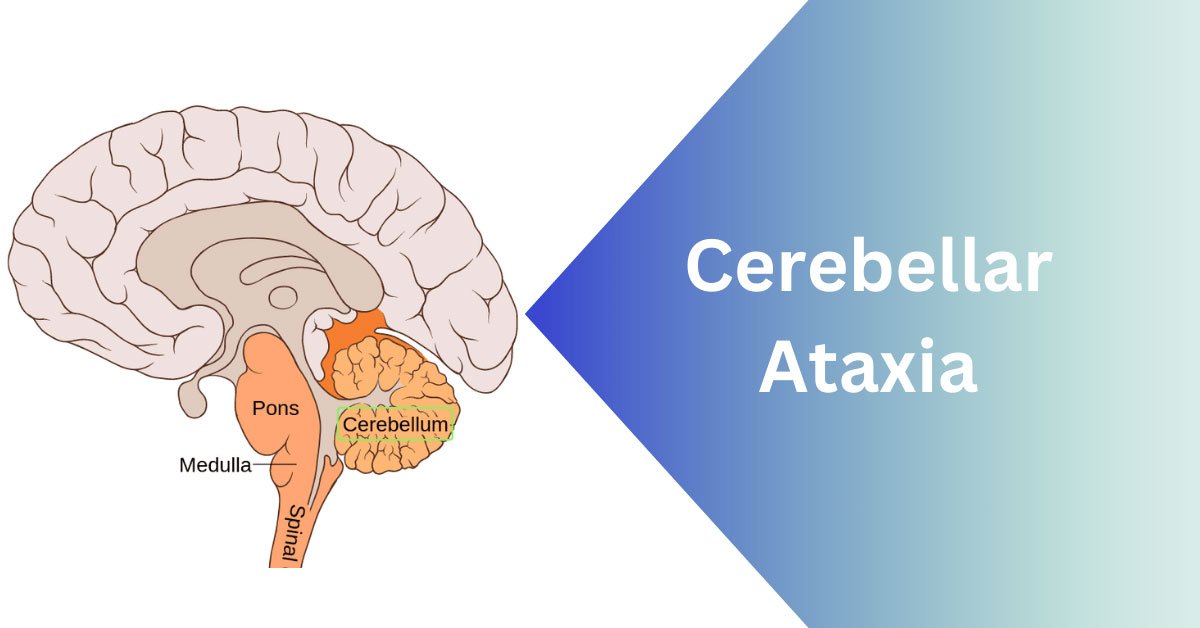
Ataxia neurological condition diagram

How Ataxia Can Affect Movement and Coordination

1
Balance & Walking

Difficulty maintaining balance or coordinating steps may lead to an unsteady walking pattern and problems with everyday mobility.

2
Hand & Movement Coordination

Fine motor tasks such as writing, reaching, using utensils, or handling objects may become more difficult when coordination is affected.

3
Speech & Other Neurological Changes

Some people develop changes in speech, eye movements, swallowing, or other coordinated movements depending on the type and cause of ataxia.

Common Symptoms of Ataxia

Unsteady Walking

Difficulty walking steadily or coordinating movements while standing and moving.

Balance Problems

Reduced balance and coordination can make everyday activities more challenging.

Speech Changes

Speech may become slower, less clear, or less coordinated in some forms of ataxia.

Fine Motor Difficulty

Tasks requiring precise hand coordination, such as writing or handling small objects, may become difficult.

Types & Causes

What Are the Types and Causes of Ataxia?

Ataxia can develop for many different reasons. Identifying the underlying cause is important because the evaluation, treatment options, and expected course can differ significantly from one person to another.

Genetic

Hereditary Ataxia

Hereditary ataxias are caused by genetic changes that can be passed through families. Examples include several forms of spinocerebellar ataxia, Friedreich's ataxia, and other inherited neurological disorders.

Non-genetic

Acquired Ataxia

Acquired ataxia can develop because of conditions such as stroke, brain injury, certain infections, autoimmune disorders, nutritional deficiencies, medication effects, or other problems affecting the nervous system.

Complex causes

Sporadic & Degenerative Ataxia

Some forms occur without a clear family history and may be associated with progressive degeneration of parts of the nervous system. These conditions require detailed neurological assessment to establish the most likely diagnosis.

Potentially reversible

Ataxia From Treatable Causes

In some people, coordination problems may be linked to an underlying issue that can be treated or corrected, such as certain vitamin deficiencies, metabolic problems, infections, medication effects, or immune-related conditions.

Common Causes Doctors May Investigate

1

Genetic Changes

Inherited gene variants can cause several forms of hereditary ataxia.

2

Brain or Nerve Injury

Stroke, trauma, or other damage affecting coordination pathways may result in ataxia.

3

Nutritional Factors

Certain vitamin or nutritional deficiencies can contribute to neurological coordination problems.

4

Immune & Inflammatory Conditions

Some autoimmune or inflammatory disorders can affect the cerebellum and other neurological pathways.

Why identifying the cause matters: Ataxia is a broad neurological symptom rather than a single disease. A specialist may recommend neurological examination, brain imaging, blood tests, genetic testing, or other investigations depending on the person's symptoms and medical history. Finding a treatable cause can change the appropriate management plan.

Treatment & Management

What Are the Treatment Options for Ataxia?

Treatment for ataxia depends on its underlying cause, type, symptoms, and progression. Some causes may be treatable or manageable, while inherited and degenerative forms often require long-term supportive care focused on maintaining mobility, independence, and quality of life.

01

Treating the Underlying Cause

When ataxia is linked to a treatable condition, doctors may address the underlying problem. Depending on the cause, this may involve correcting nutritional deficiencies, treating certain infections, managing metabolic problems, or addressing immune-related conditions.

02

Physical & Balance Therapy

Physiotherapy and balance-focused rehabilitation may help improve strength, coordination, mobility, and safety during daily activities. A rehabilitation plan is generally tailored to the individual's symptoms and functional needs.

03

Speech & Occupational Therapy

Speech therapy may support communication and swallowing difficulties, while occupational therapy can help people adapt everyday tasks and improve independence when coordination problems affect routine activities.

04

Medicines & Symptom Management

In selected cases, medicines may be used to manage specific symptoms or an identified underlying condition. The choice of treatment depends on the diagnosis and should be determined by the treating specialist.

What About Stem Cell Therapy?

Stem cell therapy for ataxia is an area of ongoing research. It is not currently an established cure for all forms of ataxia, and suitability can vary substantially depending on the underlying diagnosis. Any consideration of stem cell treatment should follow a specialist evaluation and a careful discussion of available clinical evidence, potential risks, and alternative treatment options.

Treatment Should Be Individualized

Because ataxia can have many different causes, there is no single treatment plan that is appropriate for everyone. A neurological evaluation can help determine the most suitable management approach based on the individual's diagnosis, symptoms, and overall health.

Stem Cell Research

Stem Cell Therapy for Ataxia: What Does the Evidence Show?

Stem cell therapy is being investigated as a potential approach for certain neurological conditions, including some forms of ataxia. However, research is still developing, and results may differ according to the specific type and cause of ataxia.

01

An Area of Ongoing Research

Researchers are studying whether certain stem-cell-based approaches could support damaged or dysfunctional nervous-system pathways. Clinical evidence for ataxia remains under investigation and does not establish stem cell therapy as a universal treatment or cure.

02

Different Types of Ataxia Matter

Ataxia includes multiple hereditary, degenerative, acquired, and potentially treatable conditions. A therapy being studied for one neurological condition should not automatically be assumed to work for every form of ataxia.

03

Potential Biological Mechanisms

Depending on the cell type and research approach, investigators are exploring possible effects such as supporting tissue repair, modulating inflammatory responses, or influencing the cellular environment. These proposed mechanisms do not guarantee a clinical benefit.

04

Careful Patient Evaluation Is Essential

Before considering an investigational treatment, specialists may review the exact diagnosis, disease progression, previous treatments, imaging, laboratory findings, overall health, and other factors that could affect potential suitability and safety.

Important: Stem Cell Therapy Is Not a Guaranteed Cure

Stem cell therapy for ataxia should be approached as an investigational treatment rather than a guaranteed cure. Patients should receive clear information about the available evidence, expected outcomes, uncertainties, possible risks, alternatives, and whether treatment is being provided as part of an appropriate clinical research or regulated medical setting.

Could Stem Cell Therapy Be Considered in Your Case?

Eligibility cannot be determined from an ataxia diagnosis alone. A qualified neurological specialist should review the underlying cause, clinical history, investigations, and individual health profile before any treatment decision is made.

Patient Evaluation

Who May Be Considered for Stem Cell Therapy for Ataxia?

A diagnosis of ataxia does not automatically make someone suitable for stem cell therapy. Because ataxia has many different causes and forms, specialists need to review the individual's diagnosis, medical history, previous treatment, and overall health before considering an investigational approach.

01

Confirmed Diagnosis

The underlying neurological condition should be assessed as clearly as possible. Doctors may review neurological findings, imaging, laboratory results, genetic information, and other relevant investigations.

02

Individual Disease Profile

The type of ataxia, symptoms, duration, rate of progression, current functional abilities, and previous treatments can all influence how specialists approach potential treatment options.

03

Overall Medical Health

A clinical team may review general health, existing medical conditions, medications, infections, allergies, and other factors that could affect treatment safety or suitability.

04

Review of Previous Treatment

Specialists may consider therapies already tried, their response, rehabilitation history, and whether established management options remain appropriate before discussing investigational approaches.

Eligibility Must Be Determined by a Specialist

There is no universal checklist that can confirm eligibility for stem cell therapy in ataxia. Any potential treatment should be considered only after an appropriate medical evaluation and discussion of the available evidence, possible risks, alternatives, and expected uncertainties.

What May Be Reviewed During an Evaluation?

Exact type and suspected cause of ataxia
Neurological examination and functional status
Relevant MRI or other imaging findings
Blood, laboratory, or genetic test results
Previous treatments and rehabilitation
Current medicines and medical conditions
Benefits, Risks & Expectations

Potential Benefits, Risks & Limitations of Stem Cell Therapy for Ataxia

Stem cell therapy for ataxia remains an area of clinical research. Understanding the potential goals, uncertainties, and risks is an important part of making an informed treatment decision.

01

Potential Treatment Goals

Research is exploring whether cell-based approaches may influence neurological repair or the cellular environment. Any potential clinical benefit remains dependent on the specific condition and treatment approach and cannot be guaranteed.

02

Evidence Is Still Developing

Available research does not establish stem cell therapy as a proven cure for all forms of ataxia. The strength of evidence can vary by disease type, cell product, treatment protocol, and study design.

03

Possible Treatment Risks

Cell-based interventions can involve medical risks, including risks related to the procedure, infection, immune reactions, or other complications. The specific risk profile depends on the treatment method and the patient's health.

04

Outcomes May Vary

People with ataxia can have very different underlying causes and disease courses. A response observed in one patient or research study should not be interpreted as a predictable outcome for another person.

05

Established Care Still Matters

Rehabilitation, symptom management, treatment of identified causes, and ongoing neurological care remain important components of ataxia management. Investigational therapy should not automatically replace established medical care.

06

Informed Decision-Making

Patients should receive clear information about the proposed treatment, evidence, alternatives, possible complications, expected costs, and uncertainties before deciding whether to proceed.

Avoid Guaranteed-Cure Claims

No responsible treatment plan should promise that stem cell therapy will cure ataxia or restore neurological function. A qualified specialist should assess the diagnosis and explain whether an investigational treatment is medically appropriate, what is known about it, and what remains uncertain.

Important Questions to Discuss With Your Specialist

What is the exact type and cause of the ataxia?
What established treatment options are available?
What evidence supports the proposed stem cell approach?
What are the potential risks and complications?
What outcomes are realistically expected?
Will neurological and rehabilitation care continue alongside treatment?
Treatment in India

Ataxia Treatment in India

India has specialist hospitals and neurological teams that can evaluate patients with complex movement and coordination disorders. Treatment planning should begin with an accurate diagnosis and a review of established and investigational options that may be appropriate for the individual patient.

01

Neurological Specialist Evaluation

Patients can be assessed by qualified neurological specialists who review symptoms, disease history, previous investigations, and treatment goals before recommending an appropriate care pathway.

02

Hospital-Based Treatment Planning

When advanced treatment is being considered, care should be planned through an appropriate medical facility with suitable specialist support, diagnostic services, monitoring, and follow-up arrangements.

03

Review of Medical Records

Existing medical reports, MRI or other imaging, laboratory results, genetic findings where available, medication history, and previous treatment records can help specialists understand the patient's condition before an evaluation.

04

Support for International Patients

International patients may need assistance coordinating specialist appointments, medical record review, hospital communication, travel planning, accommodation, and follow-up arrangements during their treatment journey.

How the Treatment Journey Can Begin

1

Share Medical Records

Provide relevant reports and previous treatment information for initial review.

2

Specialist Assessment

A neurological team reviews the diagnosis, symptoms, and available treatment options.

3

Individual Treatment Plan

Appropriate established or investigational options are discussed based on the clinical assessment.

4

Hospital Coordination

If treatment is appropriate, appointments and hospital logistics can be coordinated around the patient's care plan.

Stem Cell Therapy Requires Careful Evaluation

The availability of a stem cell procedure in India does not by itself establish that it is appropriate or effective for a particular form of ataxia. Patients should ask about the treatment's regulatory status, clinical evidence, proposed cell type and protocol, potential risks, alternatives, and follow-up requirements before making a decision.

Why HealPassage

Why Choose HealPassage for Ataxia Treatment in India?

Navigating neurological treatment in another country can involve medical, logistical, and communication challenges. HealPassage helps patients organize the healthcare journey by connecting medical evaluation with practical treatment coordination.

01

Specialist Coordination

We can help coordinate consultations with appropriate specialists so patients can discuss their diagnosis, treatment history, and potential treatment options with a qualified medical team.

02

Medical Record Review

Relevant medical records can be organized for specialist review, helping the treating team understand previous investigations, treatments, and the patient's current clinical situation.

03

Hospital Coordination

When treatment in India is appropriate, HealPassage can assist with coordinating hospital appointments and communicating practical requirements with the healthcare provider.

04

Clear Treatment Information

Patients can receive information about the proposed treatment plan, expected process, investigations, estimated costs, and other practical considerations before making arrangements.

05

International Patient Support

Patients travelling from outside India may need assistance with appointment scheduling, hospital coordination, accommodation, transportation, and other non-clinical aspects of their journey.

06

Patient-Centered Guidance

Our focus is to help patients understand their options and coordinate appropriate medical care rather than promise a particular treatment result or guaranteed outcome.

How HealPassage Can Support Your Journey

1

Initial Inquiry

Share your diagnosis, medical history, and treatment requirements.

2

Medical Coordination

Relevant records can be organized and shared for specialist review.

3

Treatment Planning

Appropriate options and next steps can be discussed with the treating team.

4

Travel & Hospital Support

Practical arrangements can be coordinated when treatment in India is planned.

Our Approach to Stem Cell Therapy

Stem cell therapy for ataxia remains an area of ongoing research. HealPassage does not consider a diagnosis alone to be evidence that a patient will benefit from stem cell treatment. Treatment decisions should be based on specialist assessment, available clinical evidence, patient-specific factors, and a clear understanding of potential risks and limitations.

Frequently Asked Questions

FAQs About Stem Cell Therapy for Ataxia

Patients considering ataxia treatment in India often have questions about eligibility, safety, treatment expectations, and the medical evaluation process. Here are some important questions to discuss with a qualified specialist.

Can stem cell therapy cure ataxia?

Stem cell therapy is not established as a universal cure for ataxia. Research is ongoing, and the potential benefits may depend on the specific type and underlying cause of the condition. Patients should be cautious of claims promising a guaranteed cure or complete neurological recovery.

Is stem cell therapy for ataxia proven?

Stem cell-based approaches for neurological conditions remain an area of research. The available evidence varies according to the specific condition, cell type, treatment protocol, and study design. A specialist should explain what evidence is available for the patient's particular form of ataxia.

Who may be considered for stem cell therapy?

Eligibility cannot be determined from an ataxia diagnosis alone. Specialists may review the exact diagnosis, cause, disease progression, previous treatment, imaging and laboratory findings, overall health, and other individual factors before discussing whether an investigational approach may be appropriate.

What tests are needed before treatment?

Evaluation may include a neurological examination, brain imaging, blood or other laboratory tests, and genetic testing when a hereditary cause is suspected. Additional investigations may be recommended depending on the patient's symptoms, history, and suspected diagnosis.

Is stem cell therapy safe for ataxia?

Safety depends on the specific cell product, procedure, treatment setting, patient characteristics, and other factors. Cell-based interventions can carry medical risks, so patients should receive a clear explanation of potential complications and alternatives from the treating medical team.

How much does ataxia treatment cost in India?

The cost can vary significantly depending on the diagnosis, investigations, hospital, treatment plan, rehabilitation needs, duration of care, and whether an investigational treatment is being considered. A personalized estimate should be requested after medical records have been reviewed.

How long does treatment in India take?

The duration depends on the patient's evaluation, proposed treatment plan, hospital requirements, and follow-up needs. International patients should obtain an individualized schedule from the treating hospital before making travel arrangements.

Can international patients receive ataxia treatment in India?

International patients may seek neurological evaluation and treatment in India through appropriate hospitals and specialists. The exact treatment options available will depend on the patient's diagnosis, medical assessment, and the services offered by the selected healthcare facility.

Will rehabilitation still be needed after treatment?

Rehabilitation may remain an important part of ataxia management. Depending on the patient's symptoms and functional needs, physical, occupational, speech, or other supportive therapies may be included before or after an intervention.

How can I start an evaluation for ataxia treatment in India?

A useful first step is to organize the patient's diagnosis, neurological reports, imaging, laboratory or genetic results, medication history, and previous treatment records. These can then be reviewed by an appropriate specialist to determine the next steps.

Medical Disclaimer

This information is intended for general educational purposes and does not replace an examination or medical advice from a qualified healthcare professional. Treatment suitability, risks, costs, and expected outcomes must be assessed individually by the treating medical team.

Scroll to Top