
Stem Cell Therapy for Sensorineural Hearing Loss in India
Sensorineural hearing loss occurs when the sensory cells or nerve pathways involved in hearing are damaged. Depending on the cause, severity, and duration of hearing loss, patients may have different treatment and rehabilitation needs. Stem cell-based approaches are being investigated as part of broader research into inner-ear regeneration and hearing restoration.
What Is Sensorineural Hearing Loss?
Sensorineural hearing loss is a type of hearing loss caused by problems involving the inner ear or the nerve pathways that carry sound signals from the ear to the brain. It can affect how clearly a person hears sounds and understands speech, and the degree of hearing loss can vary from person to person.
When the Inner Ear or Hearing Pathway Is Affected
Hearing depends on a series of steps. Sound travels through the ear, reaches the inner ear, and causes specialized sensory cells in the cochlea to respond. These signals are then transmitted through the auditory nerve and processed by the brain.
When sensory cells, structures within the cochlea, or the auditory nerve and related pathways are damaged, the brain may receive a weaker or altered representation of sound. This can result in sensorineural hearing loss.
Some cases develop gradually, while others may occur more suddenly. The underlying cause, age at onset, severity, and whether one or both ears are affected can all influence the individual's hearing needs.
Inner Ear
The cochlea contains structures that convert sound vibrations into electrical signals used by the nervous system.
Sensory Hair Cells
Specialized sensory cells inside the cochlea play an important role in detecting and encoding sound.
Auditory Nerve
The auditory nerve carries hearing-related signals from the inner ear toward the brain for further processing.
Speech Understanding
Depending on the degree and pattern of hearing loss, people may have difficulty hearing soft sounds or understanding speech, particularly in noisy environments.
Why the Cause Matters
Sensorineural hearing loss can have many possible causes, and not every person has the same pattern of hearing impairment. A detailed hearing assessment can help identify the type and severity of hearing loss and guide discussion of appropriate treatment, rehabilitation, hearing devices, or other options. Emerging regenerative approaches, including stem cell research, should be considered separately from established hearing-loss treatments.
What Causes Sensorineural Hearing Loss?
Sensorineural hearing loss can develop for many different reasons. Understanding when the hearing loss began and what may have contributed to it can help specialists determine the appropriate evaluation and management approach.
Age-Related Changes
Hearing can gradually change with age as structures within the inner ear and associated hearing pathways undergo changes over time.
Long-Term Noise Exposure
Repeated or prolonged exposure to loud sounds can damage sensitive structures within the inner ear and contribute to permanent hearing loss.
Genetic Factors
Some forms of sensorineural hearing loss are associated with inherited genetic changes and may be present from birth or develop later in life.
Infections & Illnesses
Certain infections and medical conditions can affect the inner ear or auditory pathways and may be associated with hearing loss.
Ototoxic Medicines
Some medicines can affect hearing as a side effect. The risk depends on the particular medicine, dose, duration, and individual factors.
Head or Ear Injury
Certain injuries involving the head or ear can affect structures involved in hearing and may result in sensorineural hearing loss.
Sudden Sensorineural Hearing Loss
In some cases, sensorineural hearing loss develops suddenly over a short period. Sudden hearing changes require prompt medical assessment.
Inner-Ear Disorders
Disorders affecting the cochlea or other inner-ear structures can interfere with the normal conversion and transmission of sound signals.
Unknown Cause
Sometimes a clear cause cannot be identified even after appropriate testing. Further evaluation may still help characterize the hearing loss and guide management.
Why Identifying the Cause Matters
Sensorineural hearing loss is not a single condition with one underlying cause. Age, genetics, noise exposure, illness, medication exposure, injury, and other factors may contribute. A hearing specialist can use the patient's history, hearing tests, and other appropriate assessments to better understand the individual pattern before discussing treatment or emerging regenerative approaches.
Common Symptoms of Sensorineural Hearing Loss
The symptoms of sensorineural hearing loss can be different for each person. Some people notice a gradual change in hearing, while others may experience a more noticeable or sudden reduction in hearing ability.
Difficulty Hearing Speech
Conversations may become harder to follow, particularly when several people are speaking or when there is background noise.
Sounds May Seem Muffled
Speech and everyday sounds may seem less clear or distinct than they did previously.
Frequently Asking Others to Repeat
A person may find themselves regularly asking family members, colleagues, or others to repeat what they have said.
Difficulty in Noisy Places
Restaurants, gatherings, classrooms, and other busy environments may make speech particularly difficult to understand.
Ringing or Other Ear Sounds
Some people with hearing loss may also experience tinnitus, such as ringing, buzzing, or other perceived sounds in the ear.
Turning Up the Volume
A person may gradually increase the volume of the television, telephone, headphones, or other audio sources to hear more clearly.
Difficulty Hearing High-Pitched Sounds
Depending on the pattern of hearing loss, higher-frequency sounds may become more difficult to hear or distinguish.
One-Sided Hearing Changes
Sensorineural hearing loss can affect one ear or both ears, depending on its underlying cause and pattern.
Difficulty Following Conversations
Following conversations may require greater concentration, especially when the speaker is not directly facing the listener.
Symptoms Can Develop Gradually
Hearing changes are not always immediately obvious. Gradual hearing loss may first become noticeable through difficulty understanding conversations, especially in noisy environments, before becoming more apparent in everyday situations.
Hearing Loss Can Affect Daily Life
Communication difficulties can affect social interactions, education, work, and everyday activities. Early evaluation can help identify the nature of the hearing problem and appropriate management options.
Sudden Hearing Loss Needs Prompt Attention
A sudden change in hearing, particularly when it develops over a short period, should be assessed promptly by a qualified healthcare professional. Do not assume that sudden hearing loss will resolve on its own or wait for symptoms to become severe before seeking evaluation.
How Is Sensorineural Hearing Loss Diagnosed?
Diagnosis begins with understanding the patient's hearing history and identifying the type, degree, and pattern of hearing loss. Specialists may use hearing tests and other investigations to determine what part of the hearing pathway may be affected.
Medical & Hearing History
The specialist may ask when the hearing change began, whether it affects one or both ears, how it has changed over time, and whether there is a history of noise exposure, illness, injury, medications, or other relevant factors.
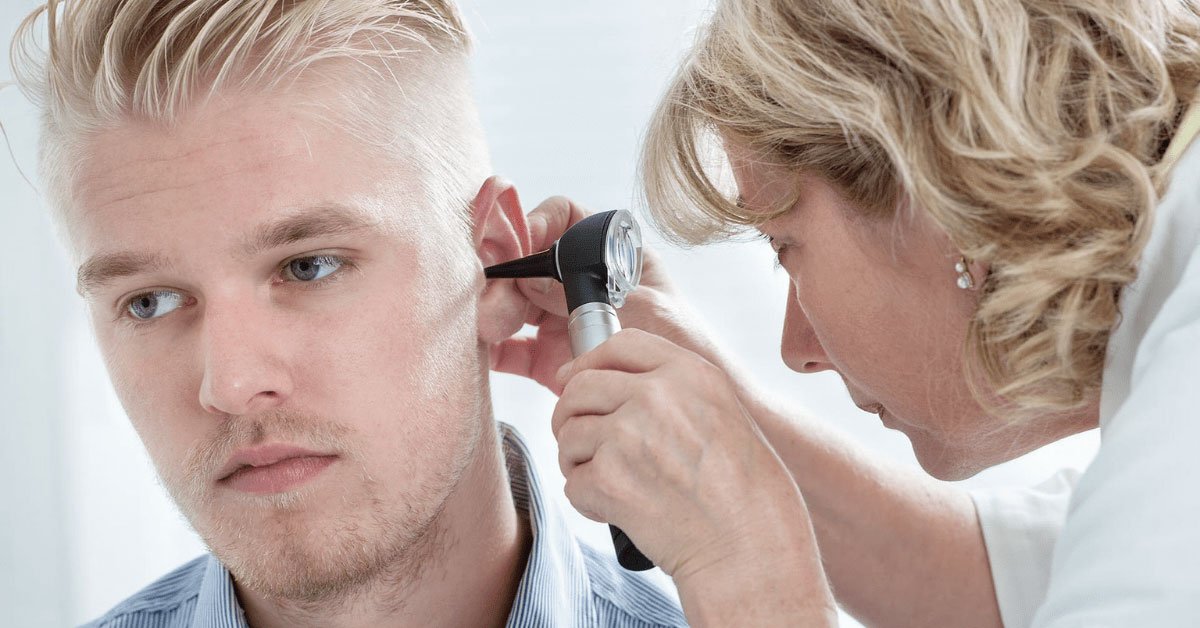
Ear Examination
Examination of the ear can help identify visible problems and distinguish possible outer or middle-ear conditions from hearing loss involving the inner ear or auditory pathways.
Pure-Tone Audiometry
A hearing test can measure the softest sounds a person can hear at different frequencies and helps determine the degree and pattern of hearing loss.
Speech Testing
Speech testing can assess how well a person hears and understands spoken words at different listening levels and may provide additional information about functional hearing.
Tympanometry
Tympanometry evaluates how the eardrum and middle-ear system respond to changes in air pressure and can help identify conductive causes of hearing difficulty.
Otoacoustic Emissions
When appropriate, otoacoustic emission testing can provide information about the function of sensory structures within the cochlea.
Auditory Brainstem Response
ABR testing can evaluate electrical responses along the auditory pathway and may be useful in selected patients and clinical situations.
Imaging When Appropriate
Imaging such as MRI may be considered in selected cases, particularly when the clinical history or hearing pattern raises concern about structures along the auditory pathway.
Additional Investigations
Depending on the patient's age, history, symptoms, and suspected cause, specialists may recommend additional tests or consultations to clarify the underlying condition.
Why a Detailed Evaluation Matters
Sensorineural hearing loss can have different causes and patterns. Identifying the nature of the hearing impairment helps specialists distinguish established treatment and rehabilitation options from emerging approaches that are still being investigated.
Not Every Patient Needs Every Test
The diagnostic pathway is individualized. A specialist may recommend only the examinations and tests that are relevant to the patient's symptoms, hearing results, medical history, and suspected cause.
Sudden Hearing Changes Should Be Evaluated Promptly
Sudden sensorineural hearing loss can require urgent medical assessment. If hearing changes develop suddenly, particularly in one ear, prompt evaluation by an appropriate healthcare professional is important rather than waiting to see whether the hearing returns on its own.
Current Treatment Options for Sensorineural Hearing Loss
Treatment for sensorineural hearing loss depends on its cause, severity, duration, age, hearing pattern, and whether one or both ears are affected. For many people, the goal is to improve access to sound, communication, and day-to-day quality of life.
Hearing Aids
Hearing aids can amplify and process sound for people whose hearing profile is suitable for amplification. The type and settings are selected according to the individual's hearing test results and communication needs.
Cochlear Implants
Cochlear implants may be considered for selected people with severe or profound sensorineural hearing loss who receive limited benefit from appropriately fitted hearing aids. Candidacy requires detailed hearing and medical assessment.
Auditory Rehabilitation
Hearing rehabilitation can help a person make better use of available hearing. Depending on individual needs, it may include auditory training, communication strategies, and support from hearing or speech-language professionals.
Assistive Listening Devices
Additional listening technology may help in specific situations such as classrooms, meetings, television viewing, or conversations in environments where background noise makes hearing more difficult.
Managing the Underlying Cause
When an identifiable medical condition, medication effect, infection, injury, or other contributing factor is involved, management may also focus on the underlying cause or associated condition.
Prompt Care for Sudden Hearing Loss
Sudden sensorineural hearing changes require prompt medical assessment. Early evaluation can help determine the likely cause and whether time-sensitive treatment is appropriate.
Treatment Is Individualized
There is no single treatment that works for every person with sensorineural hearing loss. An ENT specialist, audiologist, or other qualified hearing professional may consider the degree and pattern of hearing loss, speech understanding, medical history, age, lifestyle, and previous treatment when developing a care plan.
Where Does Stem Cell Therapy Fit In?
Stem cell and regenerative approaches are being studied as potential ways to address damage within the inner ear. However, these approaches remain an evolving area of research and should not be presented as a proven replacement for established hearing rehabilitation or other standard treatments.
Stem cell therapy for sensorineural hearing loss is still being investigated. A specialist evaluation should determine the appropriate standard treatment and whether participation in a legitimate clinical research program or regenerative medicine pathway is relevant to an individual case.
What Is the Role of Stem Cells in Sensorineural Hearing Loss?
Stem cell research is exploring whether regenerative approaches could eventually help address some of the cellular damage involved in sensorineural hearing loss. The aim is not simply to amplify sound, but to investigate whether damaged structures within the hearing system could be repaired, replaced, or supported.
Why Are Researchers Studying Stem Cells for Hearing Loss?
The inner ear contains highly specialized sensory cells that play an important role in converting sound vibrations into signals that can be processed by the brain. Damage to these structures can contribute to permanent sensorineural hearing loss.
Researchers are investigating regenerative strategies because the mature human inner ear has limited natural ability to replace certain damaged sensory cells. Stem cell-based approaches are being studied as one possible pathway toward repairing or restoring aspects of inner-ear function.
This field is still developing, and laboratory findings do not automatically translate into a safe or effective treatment for patients. Clinical research is needed to determine which approaches, if any, can provide meaningful and lasting hearing improvement.
A Different Goal From Conventional Hearing Treatment
Hearing aids and cochlear implants are designed to improve access to sound using established technologies. Regenerative medicine takes a different research approach by investigating the biological causes of hearing impairment.
Depending on the research strategy, scientists may study ways to influence damaged cells, support the inner-ear environment, or encourage the development of cells with hearing-related functions.
Inner-Ear Regeneration
Research is examining whether regenerative approaches could help address damage to structures involved in hearing, including cells within the cochlea.
Cell Replacement Research
Some experimental approaches investigate whether cells with appropriate characteristics could eventually replace or support damaged hearing-related cells.
Support for the Inner-Ear Environment
Researchers are also studying biological signals and cellular environments that may influence tissue repair and the function of hearing-related structures.
Long-Term Hearing Restoration
The broader research goal is to understand whether regenerative treatments could one day provide meaningful and sustained hearing improvement for selected forms of hearing loss.
Stem cell therapy for sensorineural hearing loss should currently be approached as an evolving area of regenerative medicine research. Experimental results, early clinical findings, or proposed biological mechanisms should not be interpreted as proof that stem cell treatment can restore hearing in an individual patient.
What Does Current Research Say About Stem Cell Therapy?
Research into regenerative treatments for sensorineural hearing loss is active, but the field is still developing. Scientists are studying different cell-based and regenerative strategies to understand whether damaged hearing structures can be repaired or their function improved.
A Promising Area of Research, With Important Questions Remaining
Preclinical research has provided evidence that regenerative approaches may influence biological processes involved in inner-ear repair. However, findings from laboratory or animal studies cannot automatically be considered proof of effectiveness in people.
Human research must establish whether a particular approach is safe, reaches the intended part of the hearing system, produces meaningful hearing improvement, and provides benefits that last over time.
Still an Evolving Field
Stem cell and regenerative approaches for sensorineural hearing loss should be evaluated according to the quality of available clinical evidence rather than promotional claims or individual success stories.
Preclinical Research
Laboratory and animal studies help researchers investigate how regenerative strategies might interact with damaged inner-ear structures and identify approaches suitable for further study.
Early Human Studies
Clinical research in people is important for assessing safety, feasibility, treatment delivery, and possible changes in hearing outcomes under carefully monitored conditions.
Different Causes May Respond Differently
Sensorineural hearing loss has many possible causes. A regenerative approach that is relevant to one biological mechanism may not be suitable for another type of hearing damage.
Hearing Outcomes Matter
Researchers need to look beyond biological changes and determine whether treatment produces meaningful improvements in hearing, speech understanding, communication, and daily function.
Long-Term Follow-Up
Longer follow-up is important because an experimental treatment must be evaluated for durability as well as possible delayed complications or other safety concerns.
Evidence Quality Is Important
Patients should consider the study design, number of participants, published clinical data, follow-up period, and independent evidence before making decisions about an experimental treatment.
Current research does not support presenting stem cell therapy as a guaranteed method of restoring hearing. Anyone considering a regenerative treatment should first receive an appropriate hearing and medical evaluation and should be given clear information about the evidence, uncertainties, potential risks, alternatives, and whether the treatment is part of a properly regulated clinical study.
What Could Stem Cell Therapy Aim to Achieve?
Regenerative medicine research is exploring whether cell-based approaches could address some of the biological changes associated with sensorineural hearing loss. The possible goals are promising, but important scientific and clinical limitations remain.
Potential Areas of Benefit
Supporting Inner-Ear Repair
Research is investigating whether regenerative approaches could help support damaged structures within the cochlea and other parts of the inner ear.
Addressing Cellular Damage
Some approaches aim to influence cellular processes involved in damage or repair rather than simply increasing the volume of incoming sound.
Exploring Hearing Restoration
A long-term research goal is to determine whether biological regeneration could eventually contribute to meaningful hearing improvement in selected patients.
Expanding Future Treatment Options
Successful regenerative research could potentially add new options for people whose hearing loss is not adequately addressed by existing technologies.
Important Limitations
Not a Guaranteed Hearing Restoration
There is currently no basis for promising that a stem cell treatment will restore normal hearing in an individual patient.
Different Causes Require Different Considerations
Sensorineural hearing loss can result from many different conditions, and the suitability of a regenerative approach may depend heavily on the underlying biology.
Clinical Evidence Is Still Developing
Research findings need to be confirmed through appropriately designed clinical studies before widespread conclusions about effectiveness can be made.
Safety Must Be Carefully Evaluated
Cell-based treatments can involve potential risks and uncertainties. Treatment decisions should therefore include a clear discussion of safety, alternatives, and available evidence.
Existing Hearing Care Still Matters
Exploring regenerative medicine does not mean stopping established hearing care. Hearing aids, cochlear implants, rehabilitation, and other appropriate interventions may continue to play an important role while regenerative treatments are being studied.
Individual Assessment Is Essential
A person's hearing tests, medical history, cause and duration of hearing loss, previous treatments, and overall health all influence whether an experimental or research-based approach is relevant.
Be cautious of clinics or programs that guarantee hearing restoration, describe experimental stem cell therapy as a proven cure, or discourage established treatment. A responsible consultation should explain what is known, what remains uncertain, and what other treatment options are available.
Who May Be Considered for a Regenerative Approach?
There is no single checklist that makes a person suitable for investigational stem cell therapy for sensorineural hearing loss. Eligibility depends on the specific treatment being studied and the individual's hearing history, diagnosis, medical condition, and available clinical evidence.
A Detailed Hearing Assessment Comes First
Before discussing any regenerative treatment, a specialist needs to understand the type and severity of hearing loss. Previous hearing tests, speech understanding, imaging when appropriate, medical history, and earlier treatments may all help determine the most appropriate care pathway.
Research Eligibility Can Be Different
A clinical study may have specific inclusion and exclusion criteria. These can include age, diagnosis, duration of hearing loss, hearing levels, previous treatment, general health, and other study-specific requirements. Meeting one criterion does not guarantee enrollment or treatment benefit.
Confirmed Diagnosis
The hearing problem should be properly evaluated to confirm that the pattern is consistent with sensorineural hearing loss and to identify any potentially treatable underlying cause.
Type and Severity of Hearing Loss
The degree and pattern of hearing loss can influence treatment decisions and may be particularly important when considering eligibility for a research protocol.
Cause and Duration
The suspected cause and how long the hearing loss has been present may affect whether a particular regenerative strategy is biologically relevant or being studied.
Previous Treatments
Hearing aids, cochlear implants, rehabilitation, medications, or other previous interventions may be reviewed as part of the overall treatment history.
Overall Health
A patient's general medical condition and any relevant health factors may need to be considered before an experimental or research-based intervention is discussed.
Realistic Expectations
Patients should understand that investigational treatment may not improve hearing and that established treatment options may still be recommended alongside or instead of a research approach.
Because regenerative therapies for sensorineural hearing loss remain an evolving field, suitability must be assessed individually. A qualified specialist should explain whether an available treatment is established care, part of a properly designed clinical study, or an experimental intervention with limited clinical evidence.
What Evaluation Is Needed Before Considering Stem Cell Therapy?
A careful assessment is important before any regenerative or investigational approach is considered. The purpose is to understand the hearing loss, identify established treatment options, and determine whether a particular research pathway is medically relevant.
Review of Medical History
The specialist may review when the hearing loss began, whether it developed suddenly or gradually, previous illnesses or injuries, medications, noise exposure, family history, and earlier treatments.
Comprehensive Hearing Tests
Audiological testing helps establish the degree and pattern of hearing loss and may assess speech understanding and how each ear performs under different listening conditions.
ENT or Specialist Assessment
An ENT specialist or appropriate hearing professional can assess the ears, review test results, and consider whether additional medical investigations are appropriate.
Imaging When Appropriate
Depending on the presentation, imaging may be recommended to evaluate relevant inner-ear, auditory nerve, or surrounding structures.
Review of Previous Treatment
Existing hearing aids, cochlear implants, rehabilitation, medications, procedures, and their outcomes may be reviewed before considering a different treatment strategy.
Research or Treatment Matching
If a regenerative approach is being considered, the available evidence and any applicable clinical-study criteria should be compared with the patient's individual diagnosis and circumstances.
Medical Records Can Help
Previous audiograms, imaging reports, ENT consultations, treatment records, and information about hearing aids or implants can help a specialist understand how the condition has changed over time and avoid unnecessary repeat testing where appropriate.
A Second Specialist Opinion May Be Useful
When an experimental treatment is being considered, an independent specialist opinion can help patients understand whether established options remain available and whether the proposed regenerative approach has credible evidence for their specific situation.
A regenerative treatment should not be selected solely because it is described as newer or more advanced. The diagnosis, available evidence, expected benefits, potential risks, alternative treatments, and regulatory or research status should all be discussed before making a treatment decision.
Exploring Stem Cell Therapy for Sensorineural Hearing Loss in India
India has a growing medical and research ecosystem, but patients considering regenerative treatment should focus on specialist evaluation, evidence, safety, and appropriate clinical oversight rather than choosing a treatment based only on location.
Start With the Right Specialist Evaluation
A consultation with an appropriate ENT and hearing specialist can establish the diagnosis, review previous investigations, and explain established treatment options. If regenerative medicine is being considered, the specialist can also help determine whether there is a credible research or treatment pathway relevant to the individual case.
Evidence Should Guide the Decision
Patients should ask what clinical evidence supports the proposed approach, whether it is established care or investigational, what risks are known, how outcomes will be measured, and what alternatives are available. Clear answers to these questions are an important part of informed decision-making.
Review Your Medical Records
Previous audiograms, ENT reports, imaging, hearing-device records, and treatment history can help specialists understand the condition before recommending further evaluation.
Confirm the Diagnosis
The type, degree, cause, and duration of hearing loss should be established as accurately as possible before discussing a regenerative approach.
Understand the Evidence
Ask whether the proposed treatment is supported by clinical studies, early-stage research, or mainly laboratory evidence. These levels of evidence should not be treated as equivalent.
Review Alternatives
Established options such as hearing aids, cochlear implants, and rehabilitation should be discussed when appropriate, even when a regenerative treatment is being explored.
Discuss Safety and Follow-Up
Patients should understand potential risks, monitoring requirements, expected follow-up, and what would happen if the proposed treatment does not improve hearing.
Choose Care Carefully
A responsible treatment pathway should provide transparent information about the medical team, treatment status, evidence, expected outcomes, and available alternatives.
Support for International Patients
Patients traveling to India may need help coordinating medical records, specialist consultations, diagnostic appointments, treatment planning, travel timing, accommodation, and follow-up. Good care coordination should keep the medical team's recommendations at the center of the process.
Ask Questions Before Making a Decision
Before proceeding, patients can ask whether the treatment is established or experimental, what evidence supports it, what risks have been identified, what alternatives exist, and how treatment outcomes will be monitored over time.
The availability, regulatory status, clinical-study eligibility, and evidence for regenerative treatments can change as research develops. Patients should receive current information directly from qualified specialists and appropriate clinical or research institutions before making treatment decisions.
How HealPassage Helps You Explore Treatment Options in India
Choosing treatment for sensorineural hearing loss can involve several specialists, investigations, and important decisions. HealPassage helps patients organize the process so they can better understand their options and connect with appropriate medical professionals in India.
Start With Your Medical History
Your existing audiograms, ENT reports, imaging, previous treatments, and hearing-device history can provide useful information for the specialist. Reviewing these records before a consultation can make the evaluation more focused and efficient.
Understand Your Available Options
Depending on the diagnosis, specialists may discuss established hearing treatments, rehabilitation, surgical options, or appropriate research pathways. The goal is to understand which options are relevant rather than assuming that one treatment is suitable for everyone.
Medical Record Review
Help organize relevant medical information and previous hearing investigations for specialist review before planning the next step.
Specialist Coordination
Coordinate consultations with appropriate ENT, audiology, or other specialists based on the patient's diagnosis and individual needs.
Diagnostic Planning
Help patients understand which existing reports may be useful and whether additional hearing or medical assessments may be requested.
Treatment Pathway Guidance
Support patients in understanding the difference between established treatment, clinical research, and investigational approaches.
Travel & Care Coordination
For international patients, assistance may include coordinating appointments, treatment schedules, hospital logistics, and other practical aspects of traveling for care.
Follow-Up Planning
Help patients understand the importance of follow-up appointments, hearing assessments, rehabilitation, and ongoing specialist review.
Transparent Medical Information
A responsible treatment journey should include clear information about the diagnosis, proposed approach, expected outcomes, possible risks, alternatives, and the level of clinical evidence supporting the treatment.
Your Specialist Makes the Medical Decision
HealPassage can help coordinate the journey, but treatment decisions should be made with qualified medical professionals after reviewing the patient's individual condition and available evidence.
Stem cell and regenerative approaches for sensorineural hearing loss remain an evolving area of research. Any proposed treatment should be evaluated carefully for its scientific evidence, safety, regulatory status, and suitability for the individual patient.
FAQs About Stem Cell Therapy for Sensorineural Hearing Loss
Here are answers to common questions patients may have when exploring regenerative approaches and hearing treatment options in India.
What is sensorineural hearing loss?
Sensorineural hearing loss occurs when structures involved in hearing within the inner ear, or the auditory nerve and related pathways, are affected. It can range from mild to profound and may affect one or both ears.
Can stem cell therapy cure sensorineural hearing loss?
Stem cell therapy should not currently be described as a guaranteed cure for sensorineural hearing loss. Regenerative approaches are an evolving area of research, and their ability to restore hearing depends on factors that are still being studied.
Why are stem cells being studied for hearing loss?
Researchers are investigating whether regenerative approaches could help address damage to cells or structures involved in hearing. The long-term goal of some research is to explore ways of repairing or replacing damaged inner-ear cells, but this remains an area of active investigation.
Who may be considered for a regenerative approach?
Consideration depends on the diagnosis, cause and duration of hearing loss, previous treatments, overall health, available evidence, and whether an appropriate clinical or research pathway exists. A specialist assessment is necessary before making this decision.
What tests are needed before treatment?
Evaluation may include a medical and hearing history, ENT examination, audiometry, speech testing, and other investigations when appropriate. Imaging or additional testing may be recommended depending on the suspected cause.
Are hearing aids still useful if I am considering stem cell therapy?
They may be. Hearing aids and other established hearing-support options can remain important while a patient explores emerging treatments. The appropriate option depends on the individual's hearing level and specialist assessment.
Is stem cell therapy for hearing loss available in India?
Availability depends on the specific treatment, clinical evidence, regulatory status, and whether it is being offered as established care or through an appropriate research pathway. Patients should confirm the current status directly with qualified specialists and relevant institutions.
How can HealPassage help?
HealPassage can help patients organize medical records, coordinate specialist consultations, understand potential treatment pathways, and manage practical aspects of seeking medical care in India.
What should I do if my hearing loss happened suddenly?
Sudden hearing changes require prompt medical evaluation. Patients should not delay professional assessment while researching regenerative treatments, because some causes of sudden hearing loss may require time-sensitive management.
Does stem cell therapy guarantee hearing restoration?
No. There is no basis for promising guaranteed hearing restoration. Patients should receive individualized information about the current evidence, uncertainties, possible risks, and alternative treatment options before making a decision.
This page is intended for general educational purposes and does not replace an evaluation by a qualified medical professional. Treatment availability, evidence, regulatory status, and clinical research can change over time. Individual treatment decisions should be made after an appropriate specialist assessment.
Explore Your Sensorineural Hearing Loss Treatment Options in India
Every case of sensorineural hearing loss is different. If you are considering advanced or regenerative treatment, start with a proper medical evaluation and a clear understanding of the available evidence. HealPassage can help coordinate the next steps with appropriate medical professionals in India.
Stem cell and regenerative approaches for sensorineural hearing loss remain an evolving area of research. No treatment outcome can be guaranteed. Treatment suitability, availability, risks, and expected outcomes should be discussed with qualified medical professionals after an individualized evaluation.
