Brain, Spine & Nerve Care in India

Neurology & Neurosurgery in India

Brain tumor surgery, spine and nerve procedures, stroke management and epilepsy care at accredited Delhi hospitals, supported by intraoperative imaging and dedicated neuro-critical care.

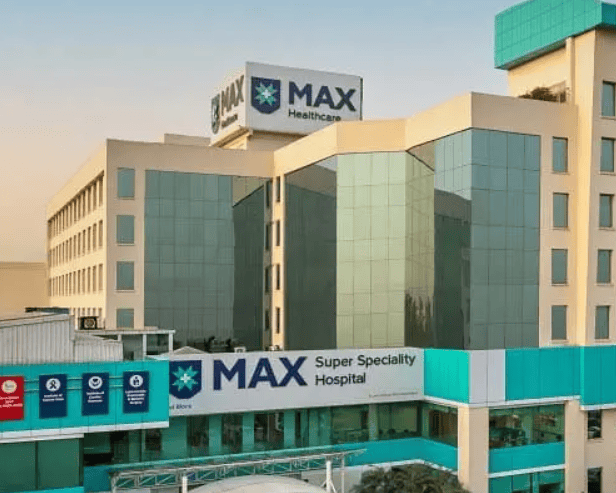
HealPassage connects international patients with NABH & JCI-accredited neurosciences centres in Delhi offering brain tumor surgery, spine and nerve procedures, stroke management, and both adult and pediatric neurosurgery. Max Super Speciality Hospital, Saket is home to Asia's first Brain SUITE — a specialized neurosurgical operating theatre that allows surgeons to take MRI scans of the brain during surgery itself, helping ensure more complete tumor removal while protecting healthy tissue. Delhi's neurosciences departments are supported by dedicated neuro-critical care units, and treatment costs are typically up to 90% lower than equivalent private neurology and neurosurgery care in the US, UK, or Gulf countries.

Common ProceduresBrain Tumor Surgery, Spine Surgery
Typical Hospital Stay4–10 days
AccreditationNABH & JCI Certified Centres
ConsultationFree, Response in 24–48 Hrs

Procedures & Conditions

What we help you treat

A detailed look at the brain, spine, and nerve conditions our partner neurosciences centres diagnose and manage, and the procedures available to treat them.

Conditions We Help You Treat

Brain Tumors

Both benign and malignant growths within the brain, ranging from slow-growing meningiomas to more aggressive gliomas, requiring surgical, radiation, or combined treatment approaches.

Stroke & Cerebrovascular Disease

Includes ischemic and hemorrhagic stroke, aneurysms, and arteriovenous malformations affecting blood flow to the brain, often requiring urgent intervention.

Epilepsy

A neurological condition causing recurrent seizures, which may be managed with medication or, in drug-resistant cases, evaluated for surgical treatment.

Spinal Disorders

Includes herniated discs, spinal stenosis, and degenerative spine disease causing back pain, nerve compression, or radiating pain into the limbs.

Peripheral Nerve Disorders

Conditions like carpal tunnel syndrome or nerve entrapment that cause pain, numbness, or weakness along the affected nerve's pathway.

Movement Disorders

Includes Parkinson's disease and essential tremor, which may be managed with medication or advanced treatments like deep brain stimulation in select cases.

Congenital & Pediatric Neurological Conditions

Structural brain or spine abnormalities present from birth, including hydrocephalus, requiring specialized pediatric neurosurgical evaluation and care.

Traumatic Brain & Spinal Injury

Injuries from accidents or trauma affecting the brain or spinal cord, ranging from concussion to more severe injuries requiring surgical stabilization.

Procedures & Treatments Available

Brain Tumor Surgery (Craniotomy)

Surgical

Surgical removal of a brain tumor through an opening in the skull. At Max Super Speciality Hospital, Saket, select cases can be performed in Asia's first Brain SUITE, allowing MRI imaging during surgery to help ensure more complete tumor removal.

Typical hospital stay: 7–10 days

Spine Surgery (Discectomy & Fusion)

Surgical

Ranges from minimally invasive discectomy for herniated discs to spinal fusion for stabilizing degenerated or unstable spinal segments, depending on diagnosis and severity.

Typical hospital stay: 3–7 days

Aneurysm & AVM Treatment

Surgical / Minimally Invasive

Treatment of brain aneurysms or arteriovenous malformations through surgical clipping or minimally invasive endovascular coiling, depending on the location and characteristics of the abnormality.

Typical hospital stay: 5–10 days

Epilepsy Surgery

Surgical

For drug-resistant epilepsy, surgery to remove or disconnect the brain region triggering seizures, following extensive pre-surgical evaluation to map seizure origin.

Typical hospital stay: 5–8 days

Stroke Management & Thrombectomy

Minimally Invasive

Time-sensitive treatment for acute ischemic stroke, including clot-dissolving medication and mechanical thrombectomy to physically remove a blood clot and restore blood flow to the brain.

Typical hospital stay: 5–10 days

Pediatric Neurosurgery

Surgical

Specialized neurosurgical care for infants and children, addressing congenital brain and spine conditions such as hydrocephalus, with dedicated pediatric neuro-critical care support.

Typical hospital stay: 5–14 days

Peripheral Nerve Surgery

Minimally Invasive

Surgical decompression or repair of entrapped or damaged peripheral nerves, such as carpal tunnel release, to relieve pain, numbness, and weakness.

Typical hospital stay: Day case – 1 day

Deep Brain Stimulation (DBS)

Surgical

A treatment for select movement disorders like Parkinson's disease, where electrodes are implanted in specific brain regions to help regulate abnormal electrical signals.

Typical hospital stay: 4–7 days

This information is for general educational purposes and does not constitute medical advice. The right procedure for your condition can only be determined by a qualified neurologist or neurosurgeon after reviewing your specific case, medical history, and diagnostic imaging.

Where you'll be treated

Leading neurosciences hospitals in Delhi

These are the accredited neurology and neurosurgery centres in our Delhi network best suited for international patients.

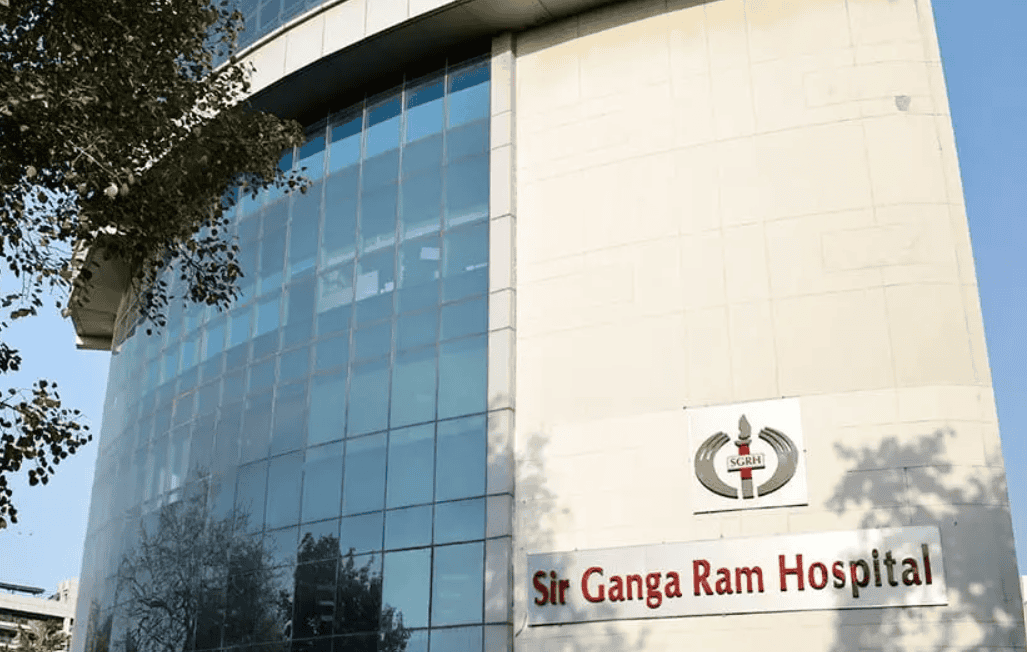
Sir Ganga Ram Hospital, Rajinder Nagar, Delhi

Sir Ganga Ram Hospital

📍 Rajinder Nagar
900+ beds•71 Specialties

One of Delhi's oldest and most established hospitals, offering neurology and neurosurgery care as part of its 71 specialties, backed by decades of institutional experience since the 1950s.

NeurosurgeryStroke Management
BLK-Max Super Speciality Hospital, Rajendra Place, Delhi

BLK-Max Super Speciality Hospital

📍 Rajendra Place
650 beds•JCI & NABH

A large tertiary care hospital with dedicated neurosciences services, supported by extensive modular operation theatre infrastructure and advanced critical care capability.

NeurosurgerySpine Surgery
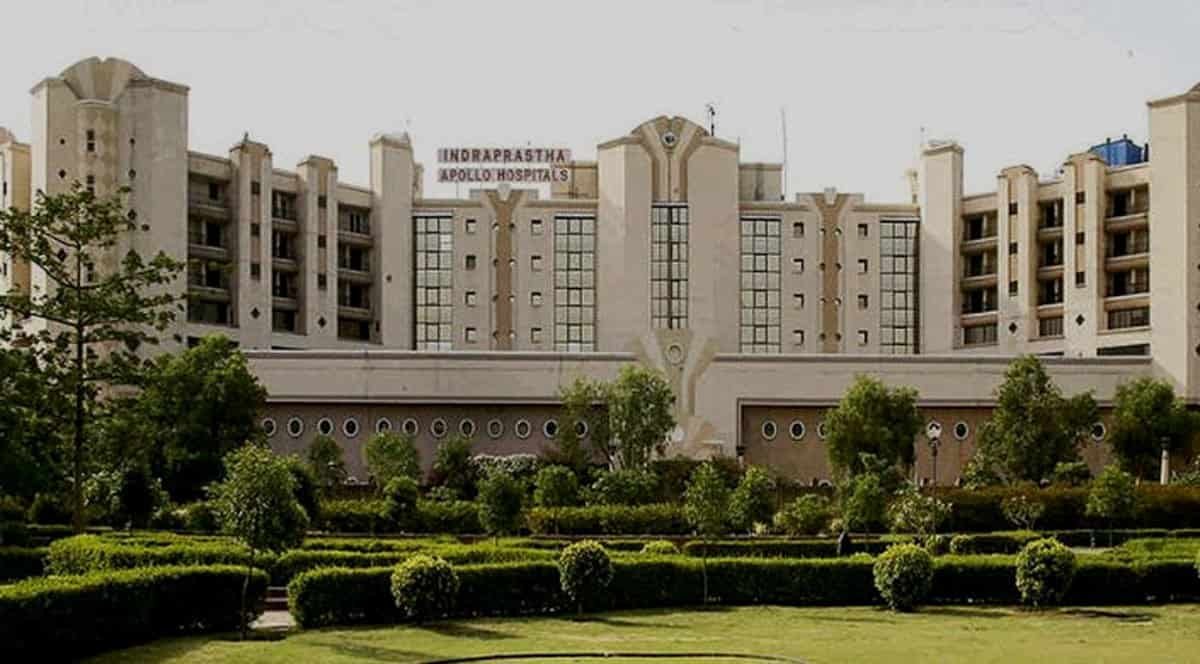
Indraprastha Apollo Hospitals, Sarita Vihar, Delhi

Indraprastha Apollo Hospitals

📍 Sarita Vihar
710+ beds•JCI Accredited

India's first JCI-accredited hospital, offering neurosciences care as part of its 52 specialties, with access to advanced diagnostic imaging for complex neurological cases.

NeurologyNeurosurgery
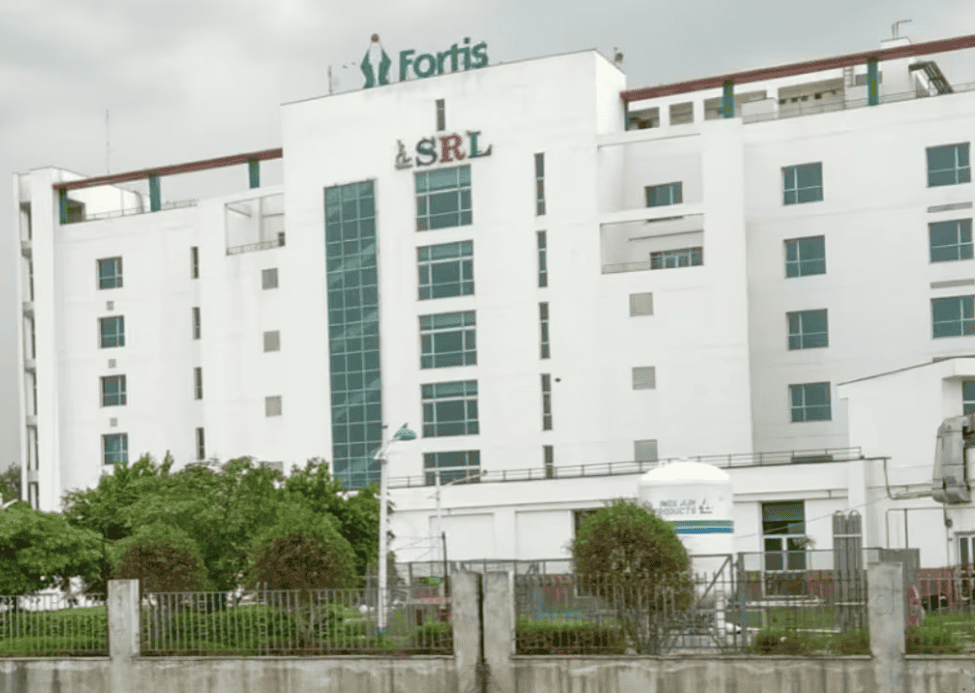
Fortis Hospital, Shalimar Bagh, Delhi

Fortis Hospital, Shalimar Bagh

📍 Shalimar Bagh
375 beds•NABH Accredited

Offers neurosciences care alongside its dedicated cancer and cardiac institutes, with 166 ICU beds supporting complex, high-dependency neurological cases.

NeurosurgeryNeuro-Critical Care
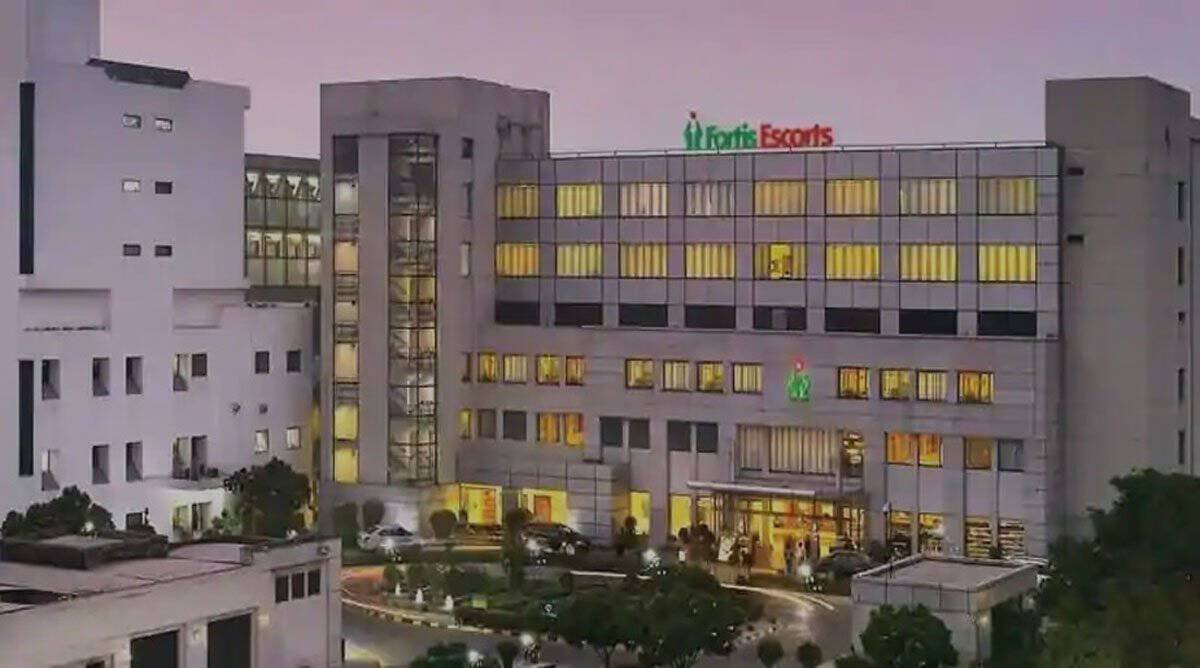
Fortis Escorts Heart Institute, Okhla, Delhi

Fortis Escorts Heart Institute

📍 Okhla
310 beds•NABH Accredited

Primarily known for cardiac care, this hospital also offers neurology services as part of its broader multi-specialty capabilities, useful for patients with overlapping cardiac and neurological risk factors like stroke.

NeurologyStroke Care

Not sure which hospital fits your specific case? Share your reports and we'll recommend the right one.

Get a Free Recommendation →
```

Brain & spine care questions

Neurology & Neurosurgery FAQs

Answers to what patients most commonly ask before traveling to India for neurological treatment.

Is my brain tumor operable, and how is that decided? +

Operability depends on the tumor's size, location, type, and how close it is to critical brain structures — this requires a neurosurgeon to review your MRI/CT scans directly. Technologies like intraoperative MRI (available at Max Saket's Brain SUITE) can sometimes make surgery possible for tumors that would otherwise be considered too risky, but this is assessed case by case.

What is the success rate of brain tumor surgery? +

Outcomes vary enormously based on tumor type, grade, location, and how early it's caught — a single generic statistic would be misleading for your specific situation. We can connect you with a neurosurgeon to discuss outcomes relevant to your exact diagnosis based on your actual scans.

How urgent is treatment for a stroke or brain aneurysm? +

Both are medical emergencies where timing significantly affects outcomes — if you or someone you know is currently experiencing stroke symptoms (sudden weakness, slurred speech, facial drooping) or a suspected ruptured aneurysm (sudden severe headache), seek emergency care immediately at the nearest hospital rather than arranging international travel. HealPassage can help with planned neurological care, but is not equipped for emergency response.

How long is recovery after spine surgery? +

This depends heavily on the procedure — minimally invasive discectomy often allows patients to walk the same day with a few weeks of recovery, while spinal fusion involves a longer recovery of several months. Your neurosurgeon will give you a timeline specific to your procedure and overall health.

Can epilepsy be treated without surgery? +

Most epilepsy is managed successfully with medication alone. Surgery is generally only considered for drug-resistant epilepsy, after specialists have confirmed that seizures aren't responding to multiple medication trials, and following detailed evaluation to identify the seizure's origin in the brain.

Is it safe to fly home after brain or spine surgery? +

Air travel after neurosurgery requires clearance from your surgeon, who will assess wound healing, neurological stability, and any risk factors specific to your procedure before approving a flight date. This is coordinated directly with your hospital before we book your return travel.

What reports do I need to send before a neurology or neurosurgery consultation? +

Recent MRI or CT scans (ideally the actual imaging files, not just the report), a summary of your symptoms and how they've progressed, any prior treatments or medications tried, and relevant medical history. This allows the neurologist or neurosurgeon to review your case in detail before you travel.

This information is for general educational purposes only and is not a substitute for professional medical advice. Always consult a qualified neurologist or neurosurgeon regarding your specific condition and treatment options. If you are experiencing stroke symptoms or a medical emergency, seek immediate local emergency care.

Scroll to Top