
Stem Cell Therapy for COPD in India
If breathlessness is starting to limit your everyday life despite your current COPD treatment, it's natural to look for other options. HealPassage connects you with lung specialists in India who can give you an honest opinion on whether stem cell therapy is worth exploring alongside your current care.
COPD currently has no cure, and lung damage that's already happened can't be reversed. Your inhalers, oxygen therapy, and quitting smoking remain the most important parts of managing it — stem cell treatment, where considered, is meant to work alongside this, not replace it.

What Is COPD?
In simple terms — what's happening in your lungs, and why it makes breathing harder over time.
COPD stands for Chronic Obstructive Pulmonary Disease — a long-term lung condition that makes it harder to breathe. Over time, the airways in your lungs become narrower and inflamed, and the tiny air sacs that help you absorb oxygen get damaged and lose their stretch.
This means less air gets in and out of your lungs than it should, which is why people with COPD often feel breathless, especially during physical activity, and why it tends to get slowly worse over the years rather than staying the same.
Because the lung damage that's already happened generally can't be undone, most COPD treatment focuses on slowing things down, managing symptoms, and helping you breathe as comfortably as possible — which is also the honest goal of any stem cell approach in this space.
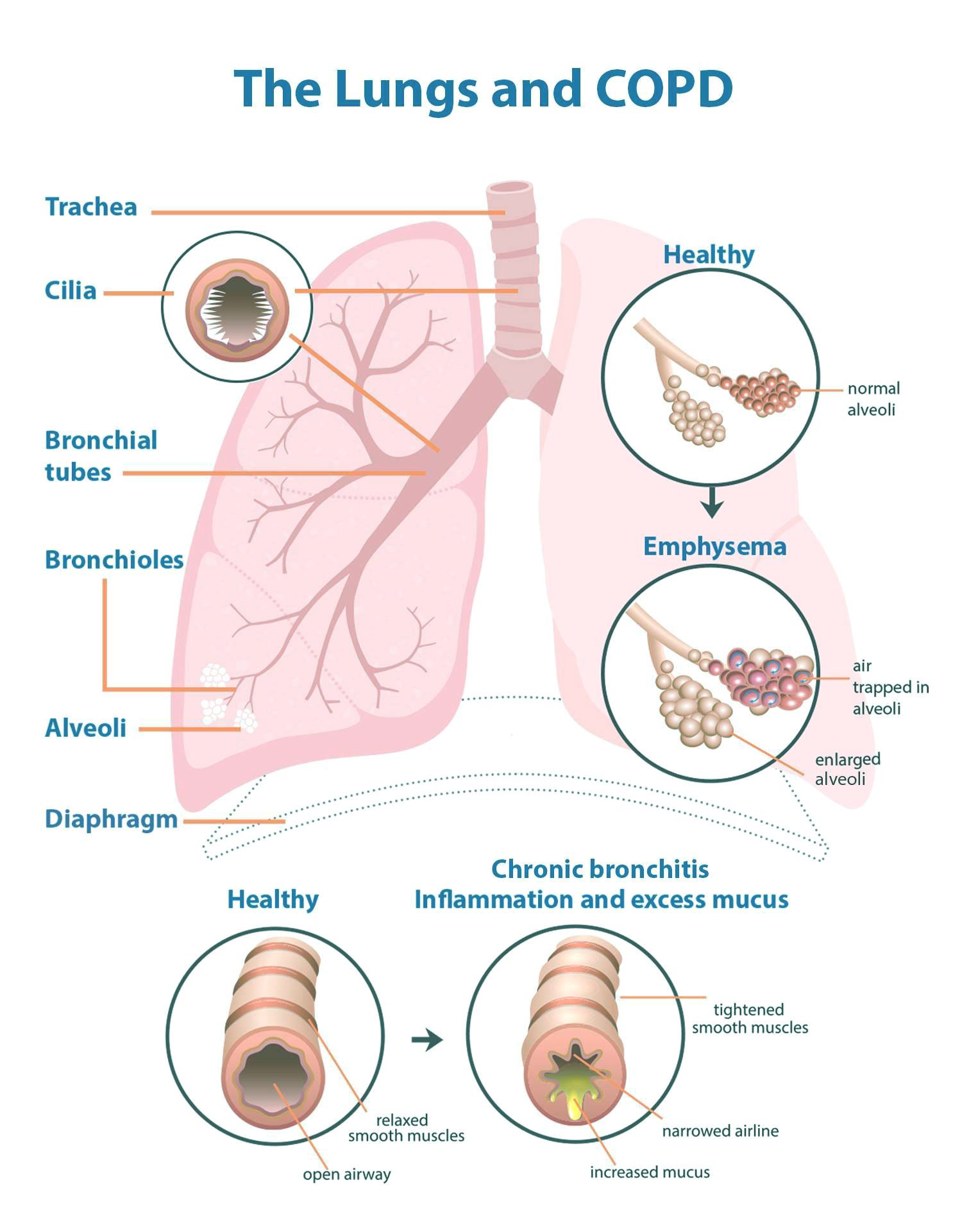
Common Causes
Smoking
By far the most common cause, especially long-term smoking.
Air Pollution & Fumes
Long-term exposure to smoke, dust, or chemical fumes at work.
Indoor Cooking Smoke
Common with prolonged exposure to smoke from solid cooking fuels.
Genetics
A smaller number of cases are linked to an inherited condition.
Common Symptoms
Breathlessness
Especially during physical activity or exertion.
Ongoing Cough
Often with mucus, and lasting for weeks or months at a time.
Wheezing
A whistling sound when breathing, especially breathing out.
Frequent Chest Infections
Catching chest infections more often than usual.

Should You Consider This for Your COPD?
This works best as extra support alongside your regular treatment, not a replacement for it. Here's how to think about it honestly.
Where this actually stands today
Research into stem cells for COPD is still fairly early. It's mainly being explored to support overall lung health and possibly help with symptoms like breathlessness and fatigue — not to reverse the lung damage that's already happened, or replace your inhalers and oxygen therapy. It's best thought of as an added layer of support, not a main treatment.
Worth Discussing Further If:
- ✓You've been diagnosed with COPD and are already on standard treatment (inhalers, and possibly oxygen therapy).
- ✓You've quit smoking, or are actively working on it — this matters a lot for any treatment to have a real chance of helping.
- ✓You want to explore extra support for your symptoms and general lung health, alongside your current care.
- ✓You understand this isn't a cure, and results can vary quite a bit from person to person.
Be Especially Cautious If:
- !A provider suggests you can stop using your inhalers or oxygen therapy because of this treatment.
- !You're still smoking — this significantly limits how much any treatment can realistically help.
- !The offer promises to "reverse" or "cure" your COPD — no current treatment can do that.
- !You have very advanced COPD with serious complications that haven't been properly assessed first.
Our approach: If you reach out about COPD, a lung specialist will look at how advanced your condition is, your current treatment, and your smoking status before giving you an honest opinion. We'll never suggest stopping your inhalers or oxygen therapy, and we'll be upfront if this isn't likely to add much value for your specific case.
How the Treatment Works
Here's what actually happens, step by step, without the complicated medical language.
A Lung Check-Up First
Before anything else, a lung specialist will check how advanced your COPD is, usually through a breathing test and a review of your current medications and oxygen levels.
A Small Sample Is Taken From You
Cells are usually collected from your own bone marrow or fat tissue, through a quick, minor procedure done under local anesthesia.
It's Prepared and Given Back to You
Once processed, it's usually given back through an IV drip, with the aim of supporting your lung tissue and general breathing comfort over time.
You Continue Your Regular Care
You'll keep using your inhalers and any oxygen therapy as usual — this treatment is meant to work alongside your existing care, not replace it.
What Does This Typically Cost?
Since this is a supportive treatment given through an IV, here's a general idea to help you plan.
This is a general planning range, not a quote. The exact cost depends on your specific case, confirmed only after a specialist review.
What Affects the Final Cost
- How advanced your COPD is
- Which hospital and specialist you choose
- Whether more than one session is recommended
- Any additional lung tests or monitoring needed
These are general figures to help you plan, not a final price. We won't ask for any payment before a specialist reviews your case. You'll get a clear, written estimate before you decide anything.
Frequently Asked Questions
Simple, honest answers to what people usually ask about COPD and stem cell treatment.
No. There is no cure for COPD, and lung damage that's already happened can't be reversed. This treatment is meant to offer extra support alongside your regular care, not replace it or reverse the condition.
It's strongly recommended. If you're still smoking, it significantly limits how much benefit any treatment can realistically offer, since smoking continues to damage the lungs. Quitting is one of the most important things you can do for your COPD, regardless of any other treatment.
No. Your regular medication and oxygen therapy, if prescribed, should continue as normal. This treatment is meant to work alongside your existing care, not replace it. Be cautious of anyone who suggests otherwise.
Yes, generally. It usually involves a small sample collection followed by an IV infusion, and most people don't need to stay overnight in the hospital. It's not a major surgery.
This varies a lot from person to person. Some people report feeling somewhat less breathless over the following weeks or months, but it's not guaranteed, and there's no fixed timeline. It's best to think of this as gradual, supportive care rather than an instant fix.
Your COPD diagnosis, recent breathing test results if you have them, your current medications, and whether you use oxygen therapy. This gives a specialist enough to give you an honest opinion on whether it's worth exploring further.
Then we'll tell you clearly and explain why. Our aim is to give you an honest picture, not to push a treatment that won't genuinely help you. If your current care plan is the right path for now, we'll say so.
Want an honest specialist opinion on your case?
