
Stem Cell Therapy for Tendon Repair in India
If a nagging shoulder, elbow, or Achilles injury just won't heal no matter what you try, stem cell therapy is worth a look. HealPassage connects you with orthopedic specialists in India who use your own cells to support tendon healing — often without surgery.
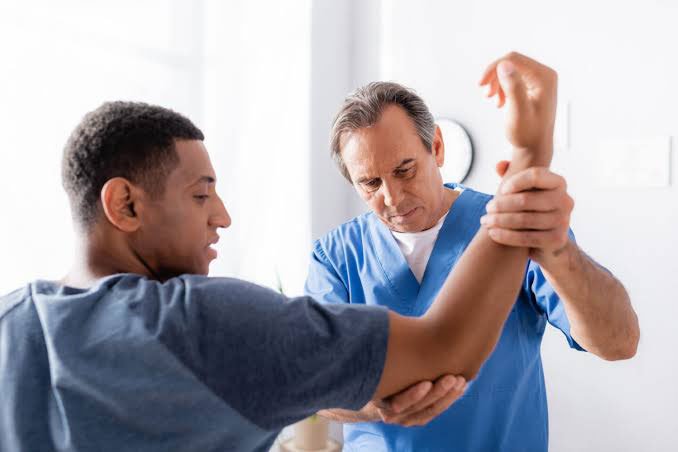
What's Going On With Your Tendon?
In simple terms — why some tendon injuries just don't heal on their own, no matter how much rest you give them.
Tendons are the tough, rope-like tissue that connect your muscles to your bones. They handle a lot of everyday strain — lifting, running, throwing, even just typing — so it's no surprise they can get overused or injured over time.
Most tendon injuries heal fine with rest and physiotherapy. But some don't. This usually happens with tendons that don't get a great blood supply to begin with, like the rotator cuff in your shoulder, the Achilles at the back of your ankle, or the tendons around your elbow. Without enough blood flow, healing slows right down, and pain can drag on for months or even years.
This is exactly where stem cell therapy tends to help the most — by giving that stuck healing process a real push, using cells taken from your own body.
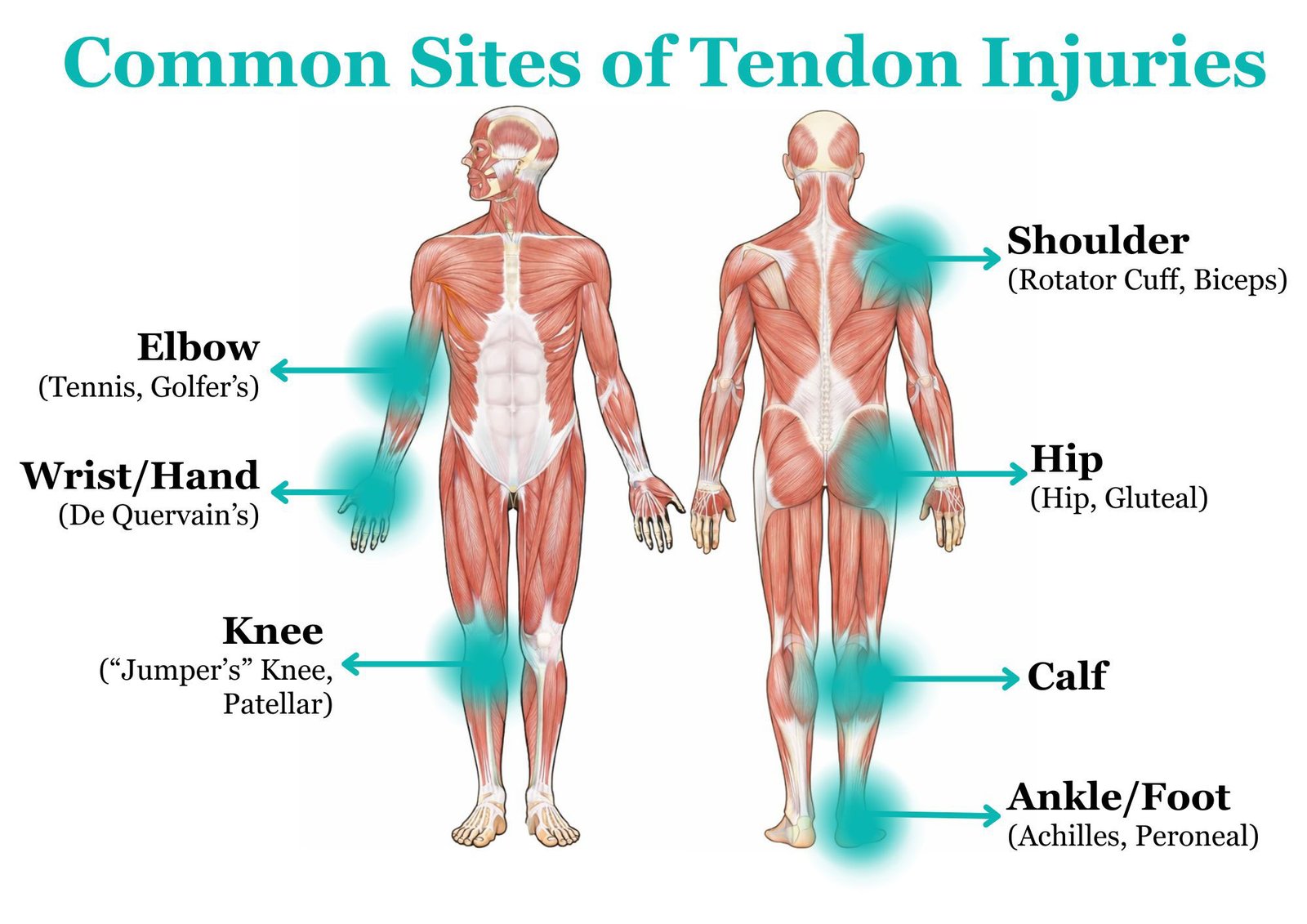
Tendons We Commonly See Treated
Shoulder (Rotator Cuff)
Common in people who do a lot of overhead movement or heavy lifting.
Elbow (Tennis/Golfer's Elbow)
Pain from repeated gripping, typing, or racquet sports.
Achilles Tendon
The back-of-the-ankle tendon common in runners and athletes.
Knee (Patellar Tendon)
Often called "jumper's knee," common in sports involving jumping.
Signs Your Tendon Might Need More Than Just Rest
Pain Lasting 3+ Months
Discomfort that just won't go away despite rest and time.
Not Improving With Physio
You've tried physiotherapy but progress has stalled or plateaued.
Keeps Coming Back
The injury flares up again and again, even after periods of feeling fine.
Surgery Feels Like the Only Option Left
You've been told surgery might be next, and want to try one more thing first.

How the Treatment Works
No complicated steps — here's what actually happens, explained plainly.
A Small Sample Is Taken From You
Usually from your bone marrow or a bit of fat tissue. It's a quick, minor procedure done under local anesthesia, so you won't feel much beyond a small pinch.
It's Prepared in a Lab
The sample is processed to concentrate the healthy healing cells, usually within the same day, ready to be used.
It's Injected Into the Injured Tendon
Using ultrasound to guide the needle to the exact spot, the specialist injects the prepared cells right where healing needs a boost.
You Go Home the Same Day
You'll be given some simple guidelines on rest and gentle movement, along with a physiotherapy plan if needed, to help the tendon heal properly.
What to Expect Afterward
Some soreness at the injection site is normal. Light activity is fine, but avoid heavy strain.
Gradual return to normal movement, usually with a physiotherapy plan alongside.
Many people notice a real difference in pain and function around this point.
A good time to check in with your specialist on how things are progressing.
What Does This Cost in India?
Since this is a simple, same-day procedure, it's one of the more affordable options — and India offers real savings compared to other countries.
How India Compares Globally (Approximate)
Single Tendon
Covers the full visit — sample collection, lab prep, and the injection itself.
More Than One Area
If you have more than one tendon needing attention, this can often be done in the same visit.
Add-On: PRP
Some specialists combine this with a PRP injection for extra support.
These are general figures to help you plan, not a final price. Travel and any physiotherapy sessions aren't included above. Once we know more about your case, we'll give you a clear, written cost with nothing hidden.
Frequently Asked Questions
Simple answers to what people usually ask before trying this for a tendon injury.
For many chronic tendon injuries, yes — this is often tried before surgery, and a good number of people see real improvement without needing an operation. That said, it depends on how bad the tendon damage is. If there's a complete tear, surgery may still be the better option, and a specialist can tell you honestly which category you fall into.
Both the sample collection and the injection are done under local anesthesia, so you shouldn't feel much during the procedure itself. Some soreness at the injection site for a few days afterward is normal and usually settles down on its own.
Most people only need one session. Depending on how you respond, a specialist might occasionally suggest a follow-up injection later, but that's not the norm — it's usually a one-time treatment.
It varies from person to person, but many people start noticing a real difference around the 6 to 8 week mark, once healing has had time to properly kick in. It's not an instant fix — the tendon needs time to rebuild itself.
No. Since it's a same-day procedure with no hospital stay, most people are comfortable flying home within a couple of days. Any follow-up physiotherapy can usually be done back home.
That's actually a common reason people look into this — when rest and physiotherapy alone haven't been enough to fully heal a stubborn tendon injury. It's often the next reasonable step before considering surgery.
An MRI or ultrasound report of the injured tendon if you have one, along with a quick summary of your symptoms and what you've already tried. That's usually enough for a specialist to give you an honest opinion.
Ready to see if this could help your tendon?
Related Conditions We Treat
Tendon injuries often overlap with other musculoskeletal and chronic conditions. Explore related stem cell treatment options below.
Sports Injuries
Faster recovery for ligament, muscle, and joint injuries common among athletes.
Learn More →Knee Osteoarthritis
Regenerative alternatives to knee replacement for joint pain and stiffness.
Learn More →Chronic Pain
Non-surgical options for long-term pain caused by tissue and nerve damage.
Learn More →Avascular Necrosis
Regenerating bone tissue affected by restricted blood supply.
Learn More →Rheumatoid Arthritis
Reducing joint inflammation and slowing autoimmune joint damage.
Learn More →Neuropathy
Nerve tissue repair for chronic tingling, numbness, and nerve pain.
Learn More →