
Home › Stem Cell Therapy India › Conditions › Macular Degeneration
Eye & Retinal Conditions

Stem Cell Therapy for Macular Degeneration in India

Macular degeneration research using stem cells is still an emerging field. HealPassage connects patients only with accredited ophthalmology specialists in India who follow strict clinical safety protocols — because when it comes to your eyes, cutting corners is never worth it.

A note on safety: Eye-related stem cell treatments carry real risks when performed outside regulated, accredited settings. We only work with ophthalmology specialists at established hospitals — not unregulated clinics.
👁 Reviewed by accredited ophthalmologists
🇮🇳 Hospital-based, not clinic-based care
📋 Honest evaluation of candidacy first
Stem cell research for macular degeneration in India
Understanding the Condition

What Is Macular Degeneration?

Age-related macular degeneration (AMD) is one of the leading causes of vision loss worldwide. Understanding how it progresses helps explain both its challenges and why treatment research is so cautious.

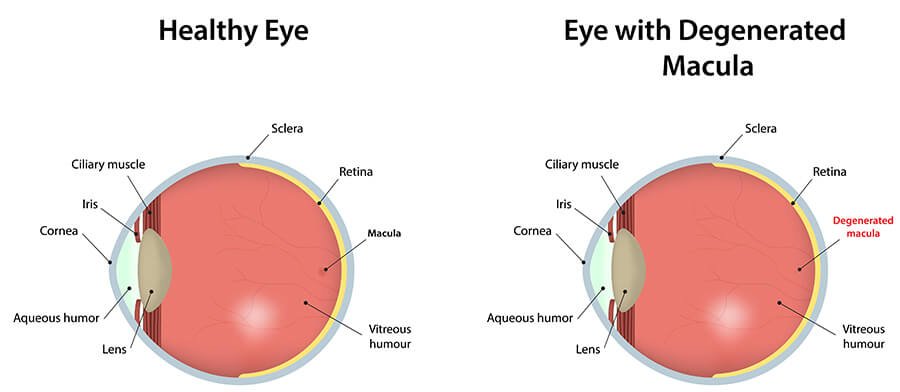
Macular degeneration affects the macula — the small central part of the retina responsible for sharp, detailed vision needed for reading, recognizing faces, and driving. As the condition progresses, the macula's cells gradually deteriorate, leading to blurred or distorted central vision, while peripheral vision typically remains intact.

It's primarily age-related, most commonly appearing in people over 50, though genetics, smoking, and cardiovascular health can influence risk. Because the retina's light-sensing cells (photoreceptors) have very limited capacity to regenerate once damaged, macular degeneration is considered a difficult condition to reverse with current medical technology.

This is exactly why claims of "restoring vision" through stem cells deserve careful scrutiny — and why any treatment approach should come from an accredited specialist working within recognized clinical protocols.
Macular degeneration retina diagram

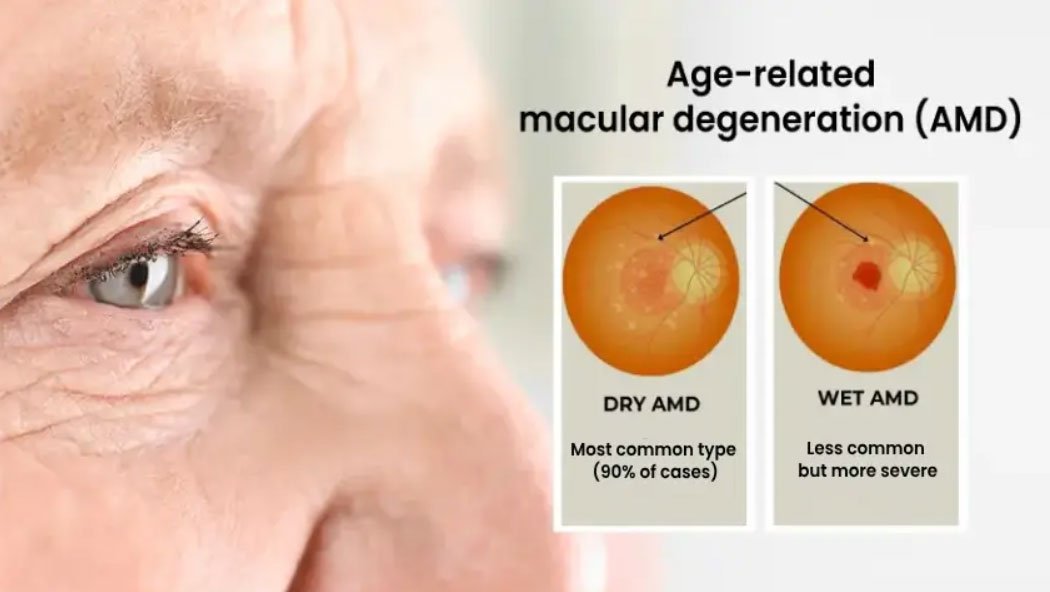
Dry vs. Wet Macular Degeneration

More Common

Dry (Atrophic) AMD

Caused by the gradual thinning of the macula and the buildup of tiny protein deposits called drusen. Progression is usually slow, occurring over years.

Accounts for ~85–90% of AMD cases
More Severe

Wet (Neovascular) AMD

Occurs when abnormal blood vessels grow beneath the retina and leak fluid or blood, causing rapid and often more severe vision loss if untreated.

Requires prompt medical evaluation

Common Symptoms

Blurred Central Vision

Difficulty seeing fine details directly in front of you.

Distorted Straight Lines

Straight lines may appear wavy or bent (common early sign of wet AMD).

Dark or Empty Spots

A blurry or blank area in the center of your field of vision.

Difficulty in Low Light

Needing brighter light for reading or adjusting slowly to dim settings.

Please Read Before Proceeding

Where the Evidence Actually Stands

Because this involves your eyesight, we believe you deserve a completely honest picture — not just of the potential, but of the real risks and current limitations.

Stem cell injections into the eye carry documented risks when performed outside proper clinical settings

There have been serious, well-documented cases where unregulated clinics performed unproven stem cell injections directly into patients' eyes for macular degeneration, resulting in permanent vision loss. This is not a reason to dismiss the field of research entirely — but it is a reason to be extremely selective about where and by whom any such treatment is performed. This is precisely why HealPassage only works with accredited ophthalmology specialists at established hospitals, and does not facilitate treatment at unregulated or unverified clinics.

Current State of Research, by Approach

Structured Clinical Trials
Retinal Pigment Epithelium (RPE) Cell Approaches

Some of the more promising research involves lab-grown retinal cells implanted under strict clinical trial conditions — these are conducted in controlled settings with careful patient monitoring, not as walk-in procedures.

Early-Stage Research
Mesenchymal Stem Cell (MSC) Applications

MSC-based approaches for AMD are still being studied for safety and effectiveness. Results vary and long-term data is limited — this should be approached only through legitimate, monitored research settings.

Exercise Extreme Caution
Direct Fat-Derived Injections (Unregulated)

This is the category responsible for documented cases of permanent vision loss. We do not recommend or facilitate this approach, and encourage patients to be wary of any clinic offering it outside a recognized research framework.

Before Considering Any Stem Cell Treatment for Your Eyes

Use this checklist when evaluating any provider — including us. A legitimate specialist should welcome every one of these questions.

  • ✓Is the treatment performed at an accredited hospital, not a standalone clinic?
  • ✓Is the specialist a qualified, licensed ophthalmologist?
  • ✓Is the approach part of a registered clinical trial or established protocol?
  • ✓Are you given a clear, written explanation of risks — not just potential benefits?
  • ✓Will both eyes be treated separately, with appropriate time between, if applicable?
  • ✓Does the provider give you time to think it over, rather than pressuring same-day decisions?
Candidacy

Who Might Consider This — and Who Shouldn't

Given the current state of evidence, candidacy for stem cell research related to macular degeneration is more limited than for many other conditions. Here's an honest breakdown.

Reasonable to Explore Further If:

  • ✓You've been formally diagnosed with dry AMD by a qualified ophthalmologist, with clear imaging and staging.
  • ✓You've exhausted or discussed standard treatment options (AREDS supplements, monitoring, anti-VEGF injections for wet AMD) with your eye doctor.
  • ✓You understand this is investigational and are looking to explore it through a registered clinical trial or accredited specialist — not a quick-fix promise.
  • ✓You're willing to have both eyes assessed and treated separately, if a treatment is pursued, rather than both at once.

You Should Be Cautious If:

  • !A provider promises "vision restoration" or a guaranteed outcome — no legitimate specialist can promise this today.
  • !The treatment is offered at a standalone clinic rather than an accredited hospital or recognized research center.
  • !You're asked to have both eyes injected on the same day — this is a known red flag from past cases of serious harm.
  • !You haven't had a comprehensive eye exam and full diagnosis from an independent ophthalmologist first.
  • !You feel pressured to decide quickly, without time to research or seek a second opinion.

Our honest position: If you reach out to us about macular degeneration, our first step is connecting you with an accredited ophthalmologist for a genuine evaluation — not booking a procedure. If stem cell therapy isn't an appropriate or evidence-supported option for your case, we will tell you that directly, and help you understand what alternatives exist.

Common Questions

Frequently Asked Questions

Honest answers to what patients and families most often ask us about this topic.

Is stem cell therapy an approved treatment for macular degeneration? +

No. There is currently no stem cell treatment for macular degeneration that is widely approved as a standard, proven therapy. Some approaches are being studied in registered clinical trials with promising early signals, but this remains an active area of research rather than an established treatment. Anyone claiming a proven cure should be treated with caution.

Is it safe to get a stem cell injection in the eye? +

Safety depends heavily on where and how it's performed. There have been serious, documented cases of patients experiencing permanent vision loss after unproven stem cell injections at unregulated clinics. When performed by qualified ophthalmologists within accredited hospitals and recognized clinical protocols, risk is significantly better managed — but it is never zero, and should be discussed openly with your specialist beforehand.

What's the difference between dry and wet AMD, and does it affect treatment options? +

Dry AMD progresses slowly through gradual thinning of the macula, while wet AMD involves abnormal blood vessel growth and can cause faster vision loss. Wet AMD already has established treatments (anti-VEGF injections) with a strong evidence base. Stem cell research is more relevant to dry AMD, where fewer effective treatments currently exist — which is part of why this area draws so much interest and, unfortunately, so many unproven offerings.

Will stem cell therapy restore vision I've already lost? +

Currently, there's no reliable evidence that any stem cell approach can restore vision that has already been lost to macular degeneration. Research is generally focused on trying to protect remaining retinal cells or slow further progression, not reversing existing damage. Be cautious of any provider promising vision restoration as a guaranteed outcome.

What should I ask a doctor before agreeing to any eye-related stem cell procedure? +

Ask whether the treatment is part of a registered clinical trial, what specific cells are being used and their source, what the documented risks are (not just potential benefits), whether both eyes would be treated at once (a known red flag), and whether the facility is an accredited hospital rather than a standalone clinic. A legitimate specialist will answer all of these directly and without pressure.

How does HealPassage vet the specialists it works with for eye conditions? +

We only connect patients with ophthalmologists at established, accredited hospitals in India — not standalone stem cell clinics. Before any treatment discussion, your case is reviewed based on your actual diagnosis and imaging, and we're upfront if a specialist believes stem cell therapy isn't appropriate for your situation.

What happens if I contact HealPassage about this condition? +

We'll ask you to share your existing diagnosis, imaging (such as OCT scans), and any treatment history so far. This is reviewed by a specialist, who will give you an honest opinion — including telling you if stem cell therapy isn't a suitable option for your case, and what alternatives might be worth discussing with your treating doctor instead.

Have a diagnosis and want an honest specialist opinion?

Share Your Case for Review →
Scroll to Top