Cardiology & Cardiac Surgery in India
Bypass surgery, angioplasty, valve replacement and pediatric cardiac care at high-volume, accredited heart centres in Delhi — coordinated for you from your first consultation to recovery.
HealPassage connects international patients with NABH & JCI-accredited cardiac centres in Delhi offering coronary bypass surgery (CABG), angioplasty and stenting, heart valve repair and replacement, pacemaker implantation, and pediatric cardiac surgery. Delhi's cardiac hospitals — including Fortis Escorts Heart Institute, Indraprastha Apollo, and BLK-Max Super Speciality Hospital — perform among the highest volumes of cardiac procedures in the world, giving surgical teams deep, repeated experience with complex cases. Treatment costs in India are typically up to 90% lower than equivalent private cardiac care in the US, UK, or Gulf countries, without compromising on accreditation or surgical outcomes.
Procedures & Conditions
What we help you treat
A detailed look at the heart conditions our partner cardiac centres diagnose and manage, and the procedures available to treat them.
Conditions We Help You Treat
Coronary Artery Disease (CAD)
Narrowing or blockage of the coronary arteries due to plaque buildup, reducing blood flow to the heart muscle and causing chest pain (angina) or heart attacks.
Valvular Heart Disease
Conditions affecting the heart's valves — such as aortic stenosis or mitral valve regurgitation — that impede normal blood flow through the heart's chambers.
Arrhythmias
Irregular heart rhythms, including atrial fibrillation and other electrical disturbances that cause the heart to beat too fast, too slow, or irregularly.
Congenital Heart Defects
Structural heart abnormalities present from birth — in children or adults — that may require surgical repair or correction, from minor to complex defects.
Heart Failure & Cardiomyopathy
Conditions where the heart's ability to pump blood effectively is reduced, including dilated, hypertrophic, and restrictive cardiomyopathies.
Aortic Disease
Conditions affecting the aorta — the body's main artery — including aneurysms (abnormal widening) or dissection, which carry serious risk if untreated.
Peripheral Vascular Disease
Narrowing of blood vessels outside the heart, including carotid artery stenosis, that reduces blood flow to the limbs, neck, or other organs.
Pericardial Disease
Inflammation or fluid build-up in the pericardium — the sac surrounding the heart — which can restrict how well the heart pumps if left untreated.
Procedures & Treatments Available
Coronary Artery Bypass Grafting (CABG)
SurgicalAlso known as bypass surgery — a blocked coronary artery is bypassed using a graft from another blood vessel, restoring normal blood flow to the heart muscle. Available as both traditional open-heart and beating-heart (off-pump) techniques.
Angioplasty & Stenting
Minimally InvasiveA catheter-based procedure to open narrowed or blocked arteries, typically with a stent placed to keep the artery open. Performed under local anesthesia through a small incision, usually in the wrist or groin.
Heart Valve Repair & Replacement
SurgicalDamaged or diseased valves are either repaired or replaced with a mechanical or biological valve, often via minimally invasive or robotic-assisted approaches depending on the valve and patient's condition.
Pacemaker & ICD Implantation
Minimally InvasiveA small device is implanted under the skin near the collarbone to regulate abnormal heart rhythms, connected to the heart via thin wires (leads). Usually done under local anesthesia.
Cardiac Ablation
Minimally InvasiveA catheter-based procedure that uses heat or cold energy to correct the small areas of heart tissue causing an irregular rhythm, commonly used for atrial fibrillation and other arrhythmias.
Congenital Heart Defect Repair
SurgicalCorrective surgery for structural heart defects present from birth, ranging from minor procedures to complex reconstructions, performed in both pediatric and adult patients.
Pediatric Cardiac Surgery
SurgicalSpecialized cardiac surgery for infants and children, addressing congenital defects and other pediatric heart conditions with dedicated pediatric cardiac ICU support.
Heart Transplant
SurgicalReplacement of a severely damaged or failing heart with a healthy donor heart, reserved for end-stage heart failure that hasn't responded to other treatments. Involves rigorous pre- and post-transplant evaluation and care.
This information is for general educational purposes and does not constitute medical advice. The right procedure for your condition can only be determined by a qualified cardiologist after reviewing your specific case, medical history, and diagnostic reports.

Where you'll be treated
Leading cardiac hospitals in Delhi
These are the accredited cardiac centres in our Delhi network best suited for international cardiology and cardiac surgery patients.
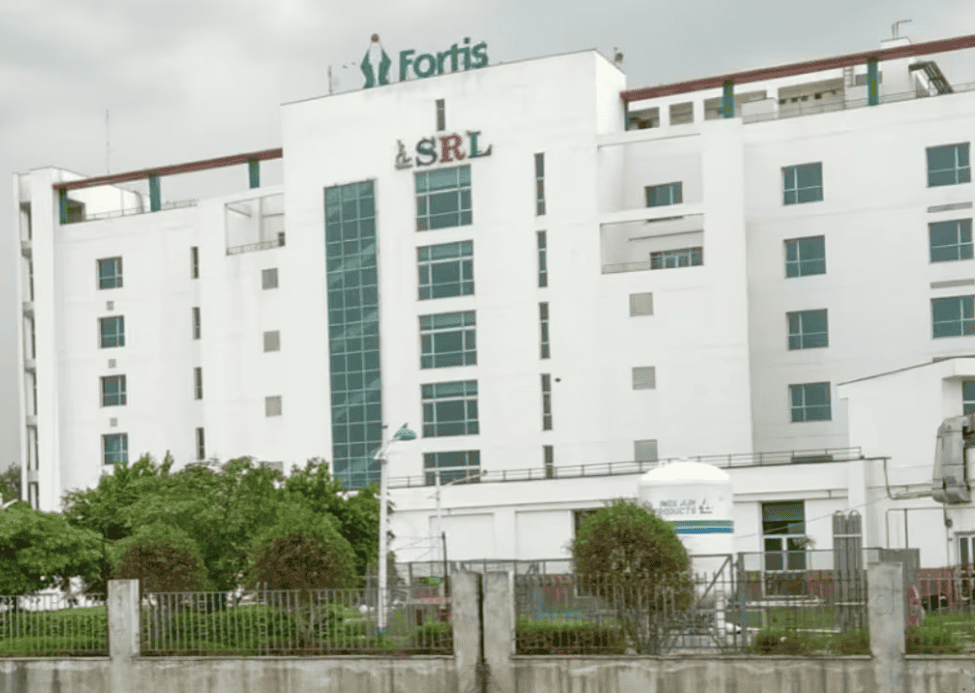
Fortis Escorts Heart Institute
📍 OkhlaA dedicated Centre of Excellence in Cardiology for over 36 years — among the few Delhi hospitals offering heart, liver and kidney transplant under one roof, alongside a full range of cardiac surgery and interventional cardiology services.
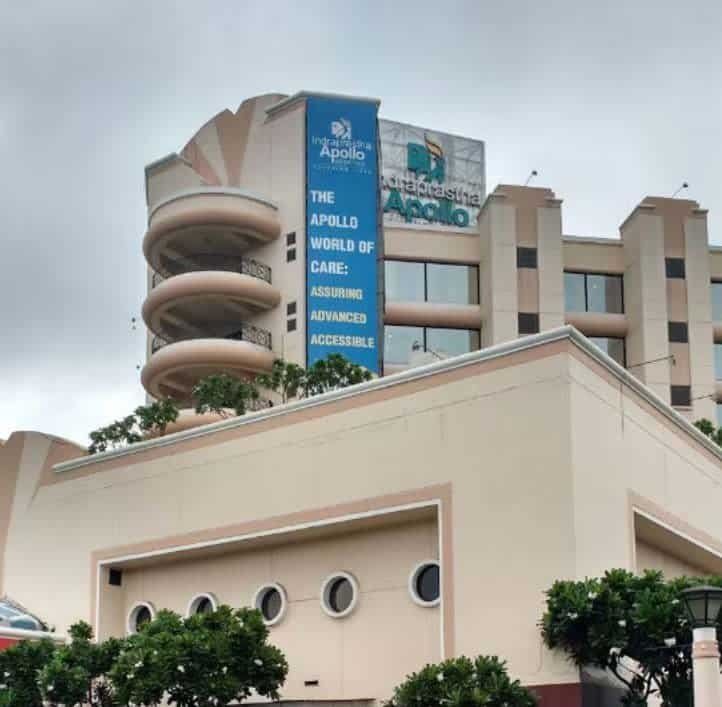
Indraprastha Apollo Hospitals
📍 Sarita ViharIndia's first JCI-accredited hospital, with a well-established Cardiac Sciences department handling complex bypass surgery, valve procedures, and interventional cardiology alongside its broader multi-specialty capabilities.
BLK-Max Super Speciality Hospital
📍 Rajendra PlaceA large tertiary care hospital with a dedicated cardiac care unit offering both surgical and catheter-based treatments, supported by 22 modular operation theatres and advanced critical care infrastructure.
Max Super Speciality Hospital, Saket
📍 SaketHome to a dedicated Cardiac Sciences department covering diagnostic cardiology, interventional procedures, and cardiac surgery, as part of a hospital that has treated over 34 lakh patients across its 38 specialties.
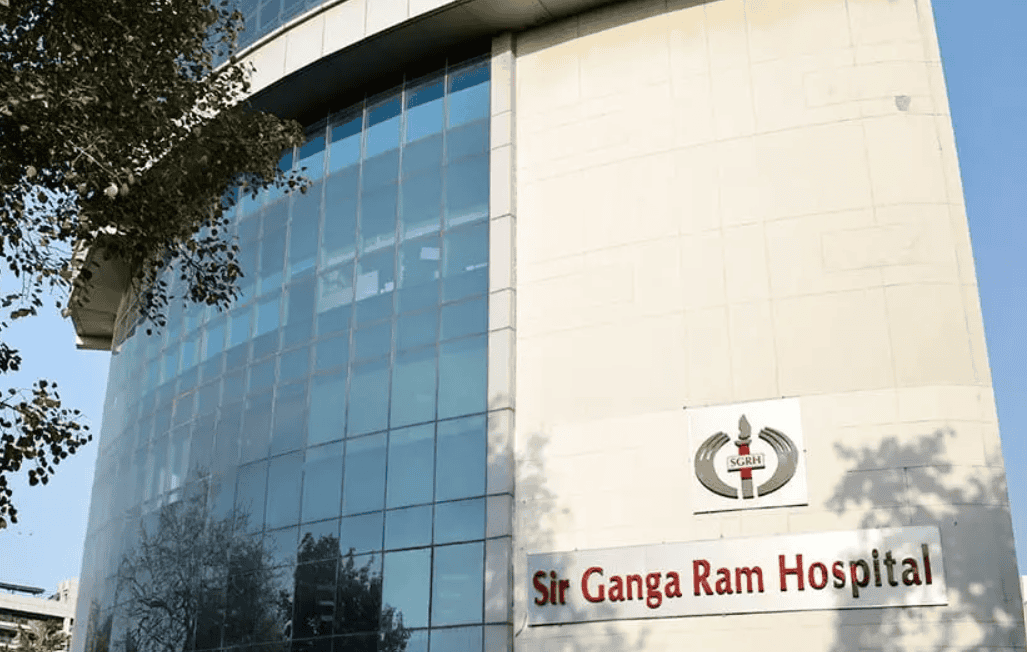
Sir Ganga Ram Hospital
📍 Rajinder NagarOne of Delhi's oldest and most established hospitals, with a long-standing cardiac surgery department that has handled complex cases as part of its 71 specialties since the 1950s.
Fortis Hospital, Shalimar Bagh
📍 Shalimar BaghRecognized as a Centre of Excellence for cardiac bypass surgery, with dedicated transplant ICUs and Da Vinci robotic surgery capability supporting complex cardiac cases.
Not sure which hospital fits your specific case? Share your reports and we'll recommend the right one.
Get a Free Recommendation →Cardiac care questions
Cardiology & Heart Surgery FAQs
Answers to what patients most commonly ask before traveling to India for cardiac treatment.
How do I know if I need angioplasty or bypass surgery (CABG)? +
This depends on factors like the number and location of blocked arteries, your overall heart function, and other health conditions — it's a decision made by a cardiologist after reviewing your angiography and test results, not something that can be determined generically. Share your reports with us and we'll get you a specialist opinion on which approach fits your case.
Is heart surgery in India safe for international patients? +
India's leading cardiac hospitals — including several in our Delhi network — hold NABH and/or JCI accreditation, the same international quality benchmarks used to evaluate hospitals in the US and Europe. High patient volumes at these centres mean surgical teams have extensive, repeated experience with complex cardiac cases.
What is the success rate of cardiac surgery in India? +
Success rates vary by procedure, hospital, and individual patient risk factors (age, other health conditions, urgency of surgery), so we won't quote a single generic number here — a general statistic can be misleading for your specific situation. We can connect you directly with a cardiac surgeon to discuss outcomes relevant to your exact condition.
How long do I need to stay in India after cardiac surgery? +
As a general guide, most patients stay 7–10 days in hospital after major procedures like CABG or valve surgery, plus another 1–2 weeks nearby for recovery monitoring before flying home. Minimally invasive procedures like angioplasty typically require a much shorter stay. Your cardiac surgeon will confirm the exact timeline for your case.
Is it safe to fly home soon after heart surgery? +
Air travel after cardiac surgery needs medical clearance — your surgeon will assess your recovery, wound healing, and cardiac stability before approving a flight date. This is not something to decide independently; we coordinate with your hospital to confirm you're fit to travel before booking your return.
What reports or tests do I need before I travel? +
Typically: recent ECG, echocardiogram, angiography reports (if done), a summary of your cardiac history, current medications, and any prior test results. Sending these before you travel lets the cardiologist review your case and confirm a treatment plan in advance, rather than starting diagnosis from scratch after you arrive.
Do Delhi hospitals offer minimally invasive or robotic cardiac surgery? +
Yes, several of our partner hospitals offer minimally invasive and robotic-assisted options for select procedures, including valve repair and certain bypass techniques. Not every patient or condition is a candidate for these approaches — your surgeon will confirm what's appropriate based on your specific case.
This information is for general educational purposes only and is not a substitute for professional medical advice. Always consult a qualified cardiologist regarding your specific condition and treatment options.