
Home › Stem Cell Therapy India › Conditions › Spinal Cord Injuries
Neurological Conditions

Stem Cell Therapy for Spinal Cord Injuries in India

If you or someone you love is living with a spinal cord injury, you've probably already been told there's no quick fix — and that's true. But there is real, ongoing research into how stem cells might help support recovery, and HealPassage connects you with specialists in India who can explain, honestly, what that means for your specific case.

🧠 Reviewed by neurology specialists
🇮🇳 Accredited hospitals across India
📋 Honest, realistic guidance

There is currently no treatment, stem cell or otherwise, that fully reverses a spinal cord injury. Research is ongoing and genuinely promising in places — but it's important to go in with realistic expectations, which is exactly what our specialists will help you understand.
Stem cell therapy for spinal cord injuries in India
Understanding the Injury

What Is a Spinal Cord Injury?

In simple terms — what happens to the body, and why the type and level of injury matters so much for what comes next.

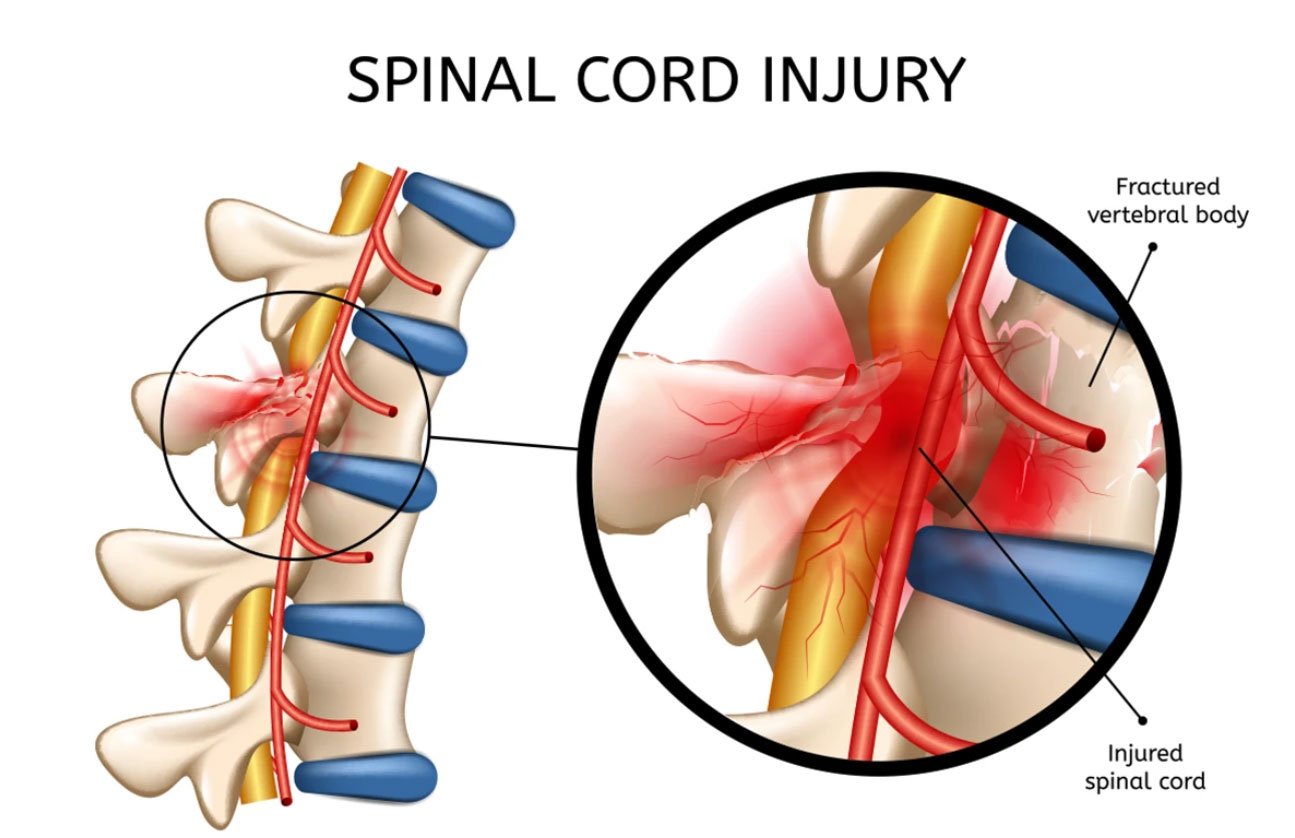
The spinal cord is like the body's main cable — it carries signals back and forth between the brain and the rest of the body, controlling movement, feeling, and many everyday functions. A spinal cord injury happens when this cable gets damaged, usually from an accident, a fall, or sometimes an illness.

Depending on where along the spine the damage happens, and how severe it is, the effects can range from mild weakness in one area to a much more significant loss of movement and feeling below the point of injury.

One of the most important things to understand early on is whether the injury is "complete" or "incomplete" — because this makes a real difference in what kind of recovery or treatment options might be worth exploring, including stem cell research.
Spinal cord injury diagram

Complete vs. Incomplete Injuries

More Room for Recovery
Incomplete Injury

Some signals can still get through the damaged area, meaning some movement or feeling remains below the injury. Incomplete injuries generally have more potential for natural or treatment-supported improvement over time.

More Limited
Complete Injury

No signals get through at all, meaning a total loss of movement and feeling below the level of injury. Recovery is much more limited here, and this is generally where research is at its earliest and most uncertain stage.

Common Effects, Depending on the Injury

Loss of Movement

Difficulty or inability to move certain parts of the body below the injury.

Loss of Feeling

Numbness or reduced sensation, including touch, temperature, or pain.

Bladder & Bowel Changes

Difficulty with normal bladder or bowel control, common after spinal injuries.

Muscle Stiffness

Tightness or spasms in muscles below the injury, common over time.

Candidacy

Is This Worth Exploring for You?

Every spinal cord injury is different — the type and timing of the injury both make a real difference here.

What we can honestly tell you

Right now, there's no stem cell treatment that fully repairs a spinal cord injury or guarantees walking again. The goal of most current research is more modest — trying to support whatever function remains, and possibly help with things like sensation, muscle control, or bladder function. Incomplete injuries generally have more potential to respond than complete ones, and earlier injuries tend to have more options than very old ones. This is why an honest, individual review matters so much here.

Worth Discussing Further If:

  • ✓You have an incomplete injury, with some movement or feeling still present below the injury site.
  • ✓You're interested in genuine, registered research or clinical trial options, not unverified clinic treatments.
  • ✓You understand this is about supporting function, not a guaranteed "walk again" outcome.
  • ✓You're willing to continue physiotherapy and rehabilitation alongside anything else you explore.

Be Especially Cautious If:

  • !A provider promises you'll walk again or fully recover — no legitimate specialist can promise this today.
  • !You're advised to stop physiotherapy or rehabilitation in favor of a stem cell treatment alone.
  • !The treatment is offered at a standalone clinic without proper hospital backing.
  • !You haven't had a full assessment from a spine specialist confirming the type and level of your injury.

Our approach: If you reach out about a spinal cord injury, a specialist will review your injury type, how long ago it happened, and your current level of function before giving an honest opinion on whether anything is genuinely worth exploring. If the honest answer is that current treatment and rehab remain the best path, we'll say so clearly.

In Simple Terms

What the Treatment Actually Involves

No complicated medical steps here — just a plain explanation of what the process usually looks like.

Step 1

A Full Assessment First

Before anything else, a specialist reviews your injury — how it happened, how long ago, whether it's complete or incomplete, and your current level of movement and feeling. This decides whether anything is genuinely worth exploring.

Step 2

A Sample Is Taken From Your Own Body

If you're a suitable candidate, cells are usually collected from your own bone marrow or fat tissue, through a minor procedure done under anesthesia.

Step 3

It's Prepared in a Lab

The sample is processed and prepared under proper lab conditions, so it's ready to be used safely.

Step 4

It's Given Back, Where It's Needed

Depending on your case, this is usually done through an injection near the injury site or through an IV, under proper medical supervision.

Step 5

Ongoing Rehab Continues Alongside It

Physiotherapy and rehabilitation remain a big part of the process — this treatment is meant to work alongside that, not replace it.

Common Questions

Frequently Asked Questions

Honest, simple answers to what people usually ask about stem cell treatment for spinal cord injuries.

Will this help me or my loved one walk again? +

We can't promise that, and no honest specialist can either. Right now, there's no treatment that guarantees full recovery from a spinal cord injury. Some patients, especially those with incomplete injuries, have seen improvements in feeling or muscle control through research and rehab combined — but results vary a lot, and a full recovery isn't something we can promise.

Does it matter how long ago the injury happened? +

Yes, generally. Injuries that happened more recently tend to have more potential to respond to treatment and rehabilitation than injuries from many years ago. That said, every case is different, and it's still worth having a specialist look at your specific situation rather than assuming either way.

What's the difference between complete and incomplete injuries, and why does it matter? +

An incomplete injury means some movement or feeling is still present below the injury, while a complete injury means none at all. Incomplete injuries generally have more room for potential improvement, which is why this is one of the first things a specialist will want to understand about your case.

Should we stop physiotherapy to try this instead? +

No. Physiotherapy and rehabilitation should continue alongside any other treatment, not be replaced by it. Any specialist who suggests stopping your rehab in favor of a single treatment should be treated with caution.

Is this treatment safe? +

When done by a qualified specialist at a proper hospital, using your own cells, the risk is generally lower than more complex procedures. As with any medical treatment, there are still some risks involved, and a specialist should explain these clearly to you beforehand.

What information should we share for an initial opinion? +

Details about how and when the injury happened, whether it's been classified as complete or incomplete, and your current level of movement and feeling. Any scans or reports you already have will also help the specialist give you a more accurate opinion.

What if the specialist says there's nothing more to offer right now? +

Then we'll tell you that clearly and explain why. We'd rather be honest with you than offer false hope. If that's the case, we can still try to point you toward good rehabilitation resources and support that can genuinely help with day-to-day life.

Want an honest opinion on your specific case?

Scroll to Top