
Stem Cell Therapy for Sports Injuries in India
Whether it's a ligament, tendon, or muscle injury that's keeping you off the field longer than expected, stem cell therapy is worth a look. HealPassage connects you with sports medicine specialists in India who use your own cells to speed up real healing, not just manage the pain.
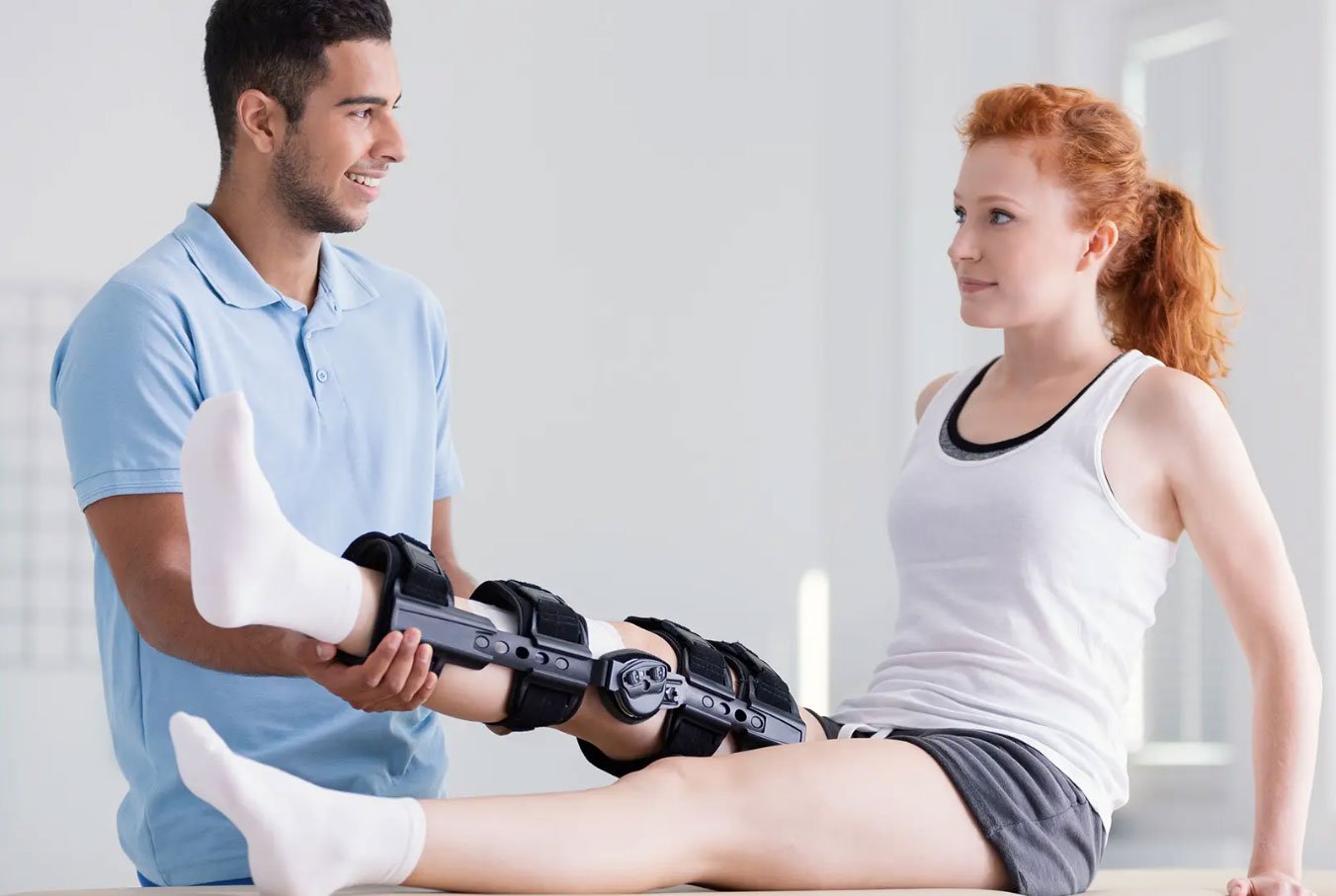
Common Sports Injuries This Can Help With
In simple terms — why some sports injuries linger, and how this treatment supports the body's own repair process.
Sports injuries usually involve damage to muscles, tendons, ligaments, or cartilage — tissue that doesn't always get a great blood supply, which is exactly why some injuries heal quickly while others drag on for months. Rest, physiotherapy, and time work for many injuries, but not all of them.
When healing stalls, stem cell therapy is sometimes used to give that process a real push. Cells taken from your own body are placed directly at the site of injury, aiming to support faster, stronger tissue repair — instead of just managing pain with medication while you wait it out.
This approach has become popular among athletes precisely because it targets the actual injury, and because it's a simple, same-day procedure that doesn't require extended time away from training or competition.
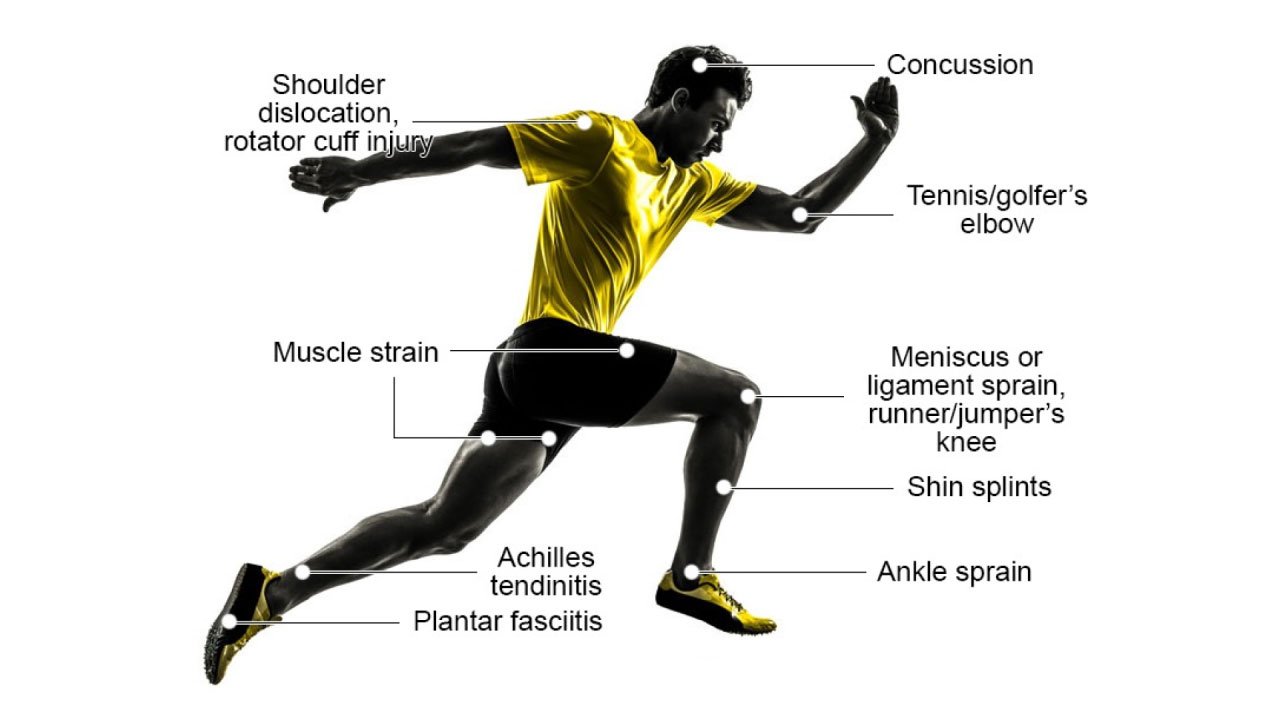
Injuries We Commonly See Treated
Ligament Sprains (ACL, MCL)
Common knee ligament injuries from twisting or sudden stops.
Muscle Strains & Tears
Hamstring, calf, or groin strains that keep coming back.
Tendon Injuries
Achilles, rotator cuff, or elbow tendon pain from overuse.
Cartilage & Meniscus Damage
Knee cartilage wear or tears from repeated impact.

Should You Consider This?
Not every sports injury needs this — here's an honest way to think about whether it's worth exploring.
Worth Exploring If:
- ✓Your injury has been dragging on for weeks or months, longer than usual healing time.
- ✓Physiotherapy and rest have helped only partially, or progress has plateaued.
- ✓You want to get back to your sport sooner, without rushing an injury that isn't fully healed.
- ✓You'd rather try this before considering surgery, if surgery has been mentioned as an option.
May Need a Closer Look If:
- !You have a complete ligament or tendon tear — this may need surgery rather than this treatment alone.
- !Your injury is very recent — sometimes it's better to let the initial healing phase happen first.
- !You haven't had a proper scan yet to confirm exactly what's injured.
- !You're expecting to return to full training the very next day — recovery still takes some time.
Send us your scan or imaging report along with a quick note on your injury and what you've already tried. A sports medicine specialist will give you an honest opinion on whether this is likely to help your specific case.
How the Treatment Works
No complicated steps — here's what actually happens, explained plainly.
Confirming What's Actually Injured
A sports medicine specialist reviews your scans and examines the injury to pinpoint exactly what's damaged and how severe it is.
A Small Sample Is Taken From You
Usually from your bone marrow or a bit of fat tissue, through a quick, minor procedure done under local anesthesia.
It's Prepared in a Lab
The sample is processed to concentrate the healing cells, usually within the same day, ready to be used.
It's Injected Right Where It's Needed
Using ultrasound guidance, the specialist injects the prepared cells directly into the injured area, whether that's a ligament, tendon, or muscle.
You Go Home the Same Day
You'll get a clear return-to-play plan, along with physiotherapy guidance, so you don't rush back before you're ready.
What to Expect Afterward
Some soreness at the injection site. Light movement is fine, avoid intense training.
Gradual return to light training, usually guided by a physiotherapist.
Many athletes are back to more normal training loads around this point.
A good time to check in on full return-to-sport readiness with your specialist.
What Does This Cost in India?
Since this is a simple, same-day procedure, it's one of the more affordable options — and India offers real savings compared to other countries.
How India Compares Globally (Approximate)
Single Injury Site
Covers the full visit — sample collection, lab prep, and the injection itself.
More Than One Area
If you have more than one injury, this can often be treated in the same visit.
Add-On: PRP
Some specialists combine this with a PRP injection for extra support.
These are general figures to help you plan, not a final price. Travel and any physiotherapy sessions aren't included above. Once we know more about your case, we'll give you a clear, written cost with nothing hidden.
Frequently Asked Questions
Simple answers to what athletes usually ask before trying this for a sports injury.
For many soft tissue injuries, yes — this is often tried before surgery, and many athletes see real improvement without needing an operation. That said, complete tears or very severe damage may still need surgery. A specialist can tell you honestly which category your injury falls into based on your scans.
Since this uses your own cells rather than any banned substances, it's generally accepted under most sporting anti-doping rules. That said, if you compete professionally, it's worth double-checking the specific regulations of your sport or governing body beforehand.
Both the sample collection and the injection are done under local anesthesia, so you shouldn't feel much during the procedure itself. Some soreness at the injection site for a few days afterward is normal.
Light activity is usually fine within a week or so, but a full return to training and competition is typically guided over 6 to 8 weeks, depending on your injury and how you respond. Rushing back too early can undo the benefit of the treatment, so it's worth following your specialist's plan.
Most athletes only need one session. Depending on your response, a specialist might occasionally suggest a follow-up, but that's not the norm for most injuries.
No. Since it's a same-day procedure with no hospital stay, most people are comfortable flying home within a couple of days. Any follow-up physiotherapy can usually be arranged back home.
An MRI or ultrasound report of the injury if you have one, along with a quick summary of how it happened, how long you've had it, and what you've already tried. That's usually enough for a specialist to give you an honest opinion.
Ready to get back to your sport sooner?
Related Conditions We Treat
Sports injuries often overlap with joint, tendon, and nerve-related conditions. Learn more about stem cell therapy for related concerns below.
Tendon Repair
Regenerative treatment for torn or degenerated tendons common in athletes.
Learn More →Knee Osteoarthritis
Non-surgical cartilage regeneration for chronic knee wear and joint pain.
Learn More →Chronic Pain
Long-term pain management solutions when injuries don't fully resolve.
Learn More →Avascular Necrosis
Restoring blood supply and bone health after joint trauma or overuse.
Learn More →Neuropathy
Nerve repair therapy for numbness, tingling, or nerve damage from injury.
Learn More →View All Conditions
Browse our full list of conditions treated with stem cell therapy.
See All →