
Stem Cell Therapy for Chronic Pain in India
If you've been dealing with ongoing back, joint, or nerve pain that just won't go away — despite medication, physiotherapy, or injections — it might be time to look at other options. HealPassage connects you with pain specialists in India who use your own cells to target the source of the pain, not just mask it.

What Is Chronic Pain?
In simple terms — why some pain sticks around long after an injury should have healed, and what's usually behind it.
Pain is usually your body's way of telling you something's wrong — and normally, once the injury heals, the pain goes away too. Chronic pain is different. It's pain that sticks around for three months or longer, often long after the original injury should have healed, or sometimes without any clear injury at all.
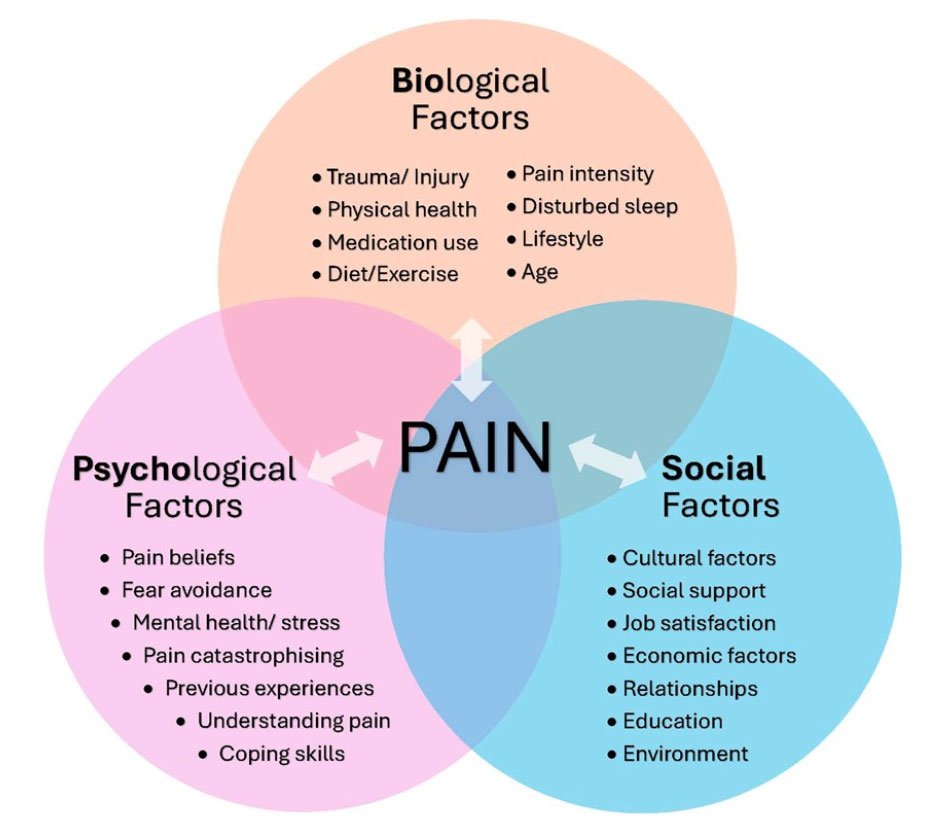
This kind of ongoing pain often comes from wear and tear in joints, damaged discs in the spine, irritated nerves, or old injuries that never fully recovered. Over time, it can start to affect sleep, mood, and everyday activities — not just the area that hurts.
Painkillers and injections can help manage the symptoms, but they don't always deal with what's actually causing the pain. This is where stem cell therapy is different — it aims to support healing at the source, using cells taken from your own body.
Common Areas We See Treated
Lower Back
One of the most common areas people seek help for.
Neck & Shoulders
Often from posture strain, old injuries, or general wear.
Knees & Hips
Joint pain from wear and tear that keeps limiting movement.
Nerve-Related Pain
Tingling, burning, or shooting pain from irritated nerves.
Signs Your Pain Might Need More Than Just Medication
Lasted 3+ Months
Pain that's stuck around well beyond normal healing time.
Not Improving With Treatment
You've tried physiotherapy or injections, with limited relief.
Relying on Painkillers
Needing regular medication just to get through the day.
Affecting Daily Life
Struggling with sleep, work, or everyday activities because of it.

How the Treatment Works
No complicated steps — here's what actually happens, explained plainly.
Finding Out Where the Pain Is Really Coming From
Before anything else, a specialist looks at your scans and history to pinpoint the actual source of your pain — a joint, a disc, a nerve — rather than just treating the general area.
A Small Sample Is Taken From You
Usually from your bone marrow or a bit of fat tissue, through a quick, minor procedure done under local anesthesia. It's a small pinch, nothing major.
It's Prepared in a Lab
The sample is processed to concentrate the healing cells, usually within the same day, so it's ready to go back into your body.
It's Injected Right Where It's Needed
Using ultrasound or X-ray guidance, the specialist injects the prepared cells directly into the area causing your pain, rather than just around it.
You Go Home the Same Day
You'll be given simple guidance on rest and movement, and possibly a physiotherapy plan, to support healing over the following weeks.
What to Expect Afterward
Some soreness at the injection site is normal. Light activity is usually fine.
Gradual return to normal activity, often alongside physiotherapy.
Many people start noticing a real difference in their pain levels.
A good time to check in with your specialist on how you're progressing.
Should You Consider This?
Not everyone with pain needs this — here's an honest way to think about whether it's worth exploring.
Worth Exploring If:
- ✓You've had ongoing pain for 3 months or more, with no real improvement.
- ✓You've already tried physiotherapy, medication, or injections without lasting relief.
- ✓Your scans show a specific cause — like a worn joint, damaged disc, or irritated nerve.
- ✓You want to try something before considering surgery, or as an alternative to relying on long-term medication.
May Need a Closer Look If:
- !Your pain hasn't been properly diagnosed yet — it's important to know the actual cause first.
- !You have very advanced joint or spine damage that may need surgery instead.
- !You have an active infection, or a condition affecting your blood or immune system.
- !You're expecting complete, permanent pain relief with no chance of it coming back.
The best way to know for sure is to share your reports and a short history of your pain with us. A specialist will give you an honest opinion on whether this is likely to help your specific case, no matter what the answer turns out to be.
What Does This Cost in India?
Since this is a simple, same-day procedure, it's one of the more affordable options — and India offers real savings compared to other countries.
How India Compares Globally (Approximate)
Single Area
Covers the full visit for treating one area — like a knee, hip, or lower back.
More Than One Area
If you have pain in more than one place, this can often be done in the same visit.
Follow-Up Session
If a specialist recommends a second session based on your response.
These are general figures to help you plan, not a final price. Travel and any physiotherapy sessions aren't included above. Once we know more about your case, we'll give you a clear, written cost with nothing hidden.
Frequently Asked Questions
Simple answers to what people usually ask before trying this for chronic pain.
Many people see a real reduction in pain, but we can't promise it will disappear completely or never return. Results vary depending on the cause and severity of your pain. A specialist will give you an honest idea of what's realistic once they've reviewed your case.
Both the sample collection and the injection are done under local anesthesia, so you shouldn't feel much during the procedure. Some soreness at the injection site for a few days afterward is normal.
Not right away, and not without your doctor's guidance. Many people are able to gradually reduce their reliance on painkillers as their pain improves, but this should always be discussed with your treating doctor rather than done on your own.
Most people start with a single session. Depending on how you respond, a specialist might suggest a follow-up session later, but this isn't the norm for most cases.
It varies from person to person, but many people notice a real change around the 6 to 8 week mark, once healing has had time to take effect. It's not an instant fix.
No. Since it's a same-day procedure with no hospital stay, most people are comfortable flying home within a couple of days. Any follow-up physiotherapy can usually be arranged back home.
Any scans or reports you have showing the source of your pain, along with a short summary of your symptoms, how long you've had them, and what you've already tried. That's usually enough for a specialist to give you an honest opinion.
Ready to see if this could help your pain?
Explore Related Conditions We Treat
Chronic pain often overlaps with other conditions. See if stem cell therapy is a fit for what you're experiencing.
Knee Osteoarthritis
Joint pain and stiffness from cartilage wear — a common source of chronic pain in the knees.
Learn moreRheumatoid Arthritis
Autoimmune joint inflammation that causes ongoing pain, swelling, and reduced mobility.
Learn moreNeuropathy
Nerve-related pain, tingling, or numbness — often a major contributor to chronic pain conditions.
Learn moreTendon Repair
Persistent pain from tendon injuries or degeneration that hasn't responded to standard treatment.
Learn moreSports Injuries
Chronic pain from old or repeated sports injuries affecting joints, muscles, or ligaments.
Learn moreAvascular Necrosis
Bone tissue death from poor blood supply, often causing deep, chronic joint pain.
Learn more