
Stem Cell Therapy for Type 2 Diabetes in India
If your blood sugar keeps being difficult to control despite medication and lifestyle changes, it's natural to look for other options. HealPassage connects you with endocrinology specialists in India who can give you an honest opinion on whether stem cell therapy is worth exploring alongside your current treatment.
Type 2 diabetes currently has no cure. Your medication, diet, and lifestyle changes remain the main way to manage it — stem cell treatment, where it's considered, is meant to work alongside this, not replace it.
What Is Type 2 Diabetes?
In simple terms — what's actually happening in your body, and why it's different from Type 1 diabetes.
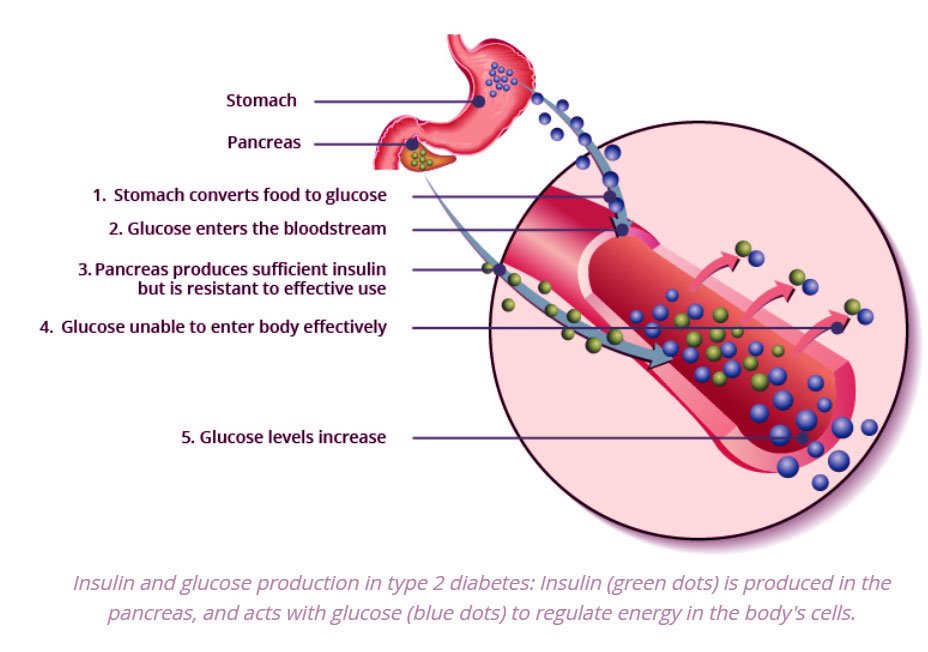
Type 2 diabetes happens when your body either doesn't respond well to insulin anymore (a problem called insulin resistance), or doesn't make quite enough insulin to keep up with your body's needs. Insulin is the hormone that helps move sugar from your blood into your cells for energy — when it's not working properly, sugar builds up in your blood instead.
Unlike Type 1 diabetes, which usually appears suddenly, Type 2 tends to develop gradually over time, often linked to a combination of genetics, weight, diet, and activity levels. It's also far more common, making up the vast majority of diabetes cases worldwide.
The good news is that Type 2 diabetes often responds well to lifestyle changes, medication, and in some cases, additional supportive treatments — which is where stem cell therapy is sometimes explored, particularly for people who've found it hard to keep their blood sugar under control despite everything else they've tried.
Type 2 vs. Type 1 Diabetes: The Key Difference
Type 2 Diabetes
Your body still makes insulin, but doesn't use it properly, or doesn't make enough. Usually develops gradually, often linked to lifestyle and genetic factors. Can sometimes be managed or improved with diet, exercise, and medication.
Type 1 Diabetes
The immune system attacks and destroys the cells that make insulin, so the body makes little to no insulin at all. Usually appears suddenly, often in childhood, and always requires insulin from diagnosis onward.
Common Symptoms
Excess Thirst
Feeling thirsty more often than usual.
Frequent Urination
Needing to go more often, including at night.
Fatigue
Feeling tired even after a full night's rest.
Slow-Healing Wounds
Cuts or sores that take longer than usual to heal.

Should You Consider This for Your Diabetes?
This works best as extra support alongside your regular treatment, not as a first step or a replacement for it. Here's an honest way to think about it.
Where this actually stands today
For most people, Type 2 diabetes is managed well through diet, exercise, and medication. Stem cell treatment is generally considered when blood sugar control remains difficult despite genuinely trying these things, and is meant to support your body's response to insulin, not replace your medication or lifestyle changes.
Worth Discussing Further If:
- ✓You've been managing Type 2 diabetes with medication, diet, and exercise, but your blood sugar remains hard to control.
- ✓You're committed to continuing lifestyle changes alongside any treatment, not instead of them.
- ✓You understand this is meant to support your existing treatment, not replace it.
- ✓You're in reasonably good general health, without serious uncontrolled complications.
Be Especially Cautious If:
- !A provider suggests you can stop your diabetes medication because of this treatment.
- !You haven't yet made genuine efforts with diet and exercise — these remain the foundation of managing Type 2 diabetes.
- !The offer promises this will cure your diabetes completely — that's not realistic with current treatment options.
- !You have serious, uncontrolled complications (like kidney or heart issues) that need attention first.
Our approach: If you reach out about Type 2 diabetes, a specialist will review your current medications, blood sugar history, and overall health before giving you an honest opinion. We'll never suggest stopping your medication, and we'll be upfront if this isn't likely to add much value for your specific case.
How the Treatment Works
No complicated steps — here's what actually happens, explained plainly.
A Full Health Check-Up First
A specialist will review your recent blood sugar readings, current medications, and overall health to see if you're a good fit for this treatment.
A Small Sample Is Taken From You
Cells are usually collected from your own bone marrow or fat tissue, through a quick, minor procedure done under local anesthesia.
It's Prepared and Given Back to You
Once processed, it's usually given back through an IV drip, aiming to support how your body responds to insulin over time.
You Continue Your Regular Care
You'll keep taking your medication, following your diet, and staying active as advised — this treatment is meant to support your existing plan, not replace it.
What Does This Typically Cost?
Since this is a supportive treatment given through an IV, here's a general idea to help you plan.
This is a general planning range, not a quote. The exact cost depends on your specific case, confirmed only after a specialist review.
What Affects the Final Cost
- How long you've had diabetes, and current control
- Which hospital and specialist you choose
- Whether more than one session is recommended
- Any additional tests or monitoring needed
These are general figures to help you plan, not a final price. We won't ask for any payment before a specialist reviews your case. You'll get a clear, written estimate before you decide anything.
Frequently Asked Questions
Simple, honest answers to what people usually ask about Type 2 diabetes and stem cell treatment.
No. There's currently no cure for Type 2 diabetes. This treatment is meant to offer extra support for how your body responds to insulin, alongside your regular care — not replace your medication or lifestyle changes.
No. Any change to your medication should only happen with your doctor's guidance, based on your actual blood sugar readings over time. Never stop your medication on your own or based on a provider's suggestion alone.
Yes, absolutely. Diet and exercise remain the foundation of managing Type 2 diabetes, regardless of any other treatment. This is meant to work alongside those efforts, not replace them.
Yes, generally. It usually involves a small sample collection followed by an IV infusion, and most people don't need to stay overnight. It's not a major surgery.
This varies from person to person, and there's no fixed timeline. Some people notice gradual improvement over a few months, but results aren't guaranteed. Regular monitoring with your doctor is the best way to track any real change.
Your recent HbA1c or blood sugar readings, current medications, how long you've had diabetes, and any complications you're aware of. This gives a specialist enough to give you an honest opinion on whether it's worth exploring further.
Then we'll tell you clearly and explain why. Our goal is to give you an honest picture, not to push a treatment that won't genuinely help. If your current care plan is the right path for now, we'll say so.
Want an honest specialist opinion on your case?
Related Conditions We Treat
Type 2 diabetes often overlaps with other conditions our stem cell programs address. Explore related treatment pathways below.
Type 1 Diabetes
Explore how stem cell therapy supports insulin-producing cell regeneration and blood sugar regulation.
Learn MoreDiabetic Neuropathy
Nerve damage from prolonged high blood sugar is common in Type 2 diabetes — see targeted nerve-repair options.
Learn MoreChronic Pain
Persistent pain linked to diabetic complications can be addressed alongside your primary treatment plan.
Learn MoreLiver Diseases
Metabolic conditions and liver health are closely linked — learn about regenerative liver treatment options.
Learn MoreCOPD
Many patients managing diabetes also explore stem cell support for chronic respiratory conditions.
Learn MoreAnti-Aging Treatments
Whole-body regenerative therapies that complement metabolic health and long-term wellness goals.
Learn More