
Exploring Stem Cell Therapy for Hair Loss in India
Hair loss can have many different causes, including hereditary pattern hair loss, hormonal changes, medical conditions and other factors. Stem cell-based approaches are being studied as a possible area of regenerative medicine research for hair restoration. HealPassage helps patients explore appropriate evaluation and specialist care in India while keeping treatment options, evidence and expectations clear.
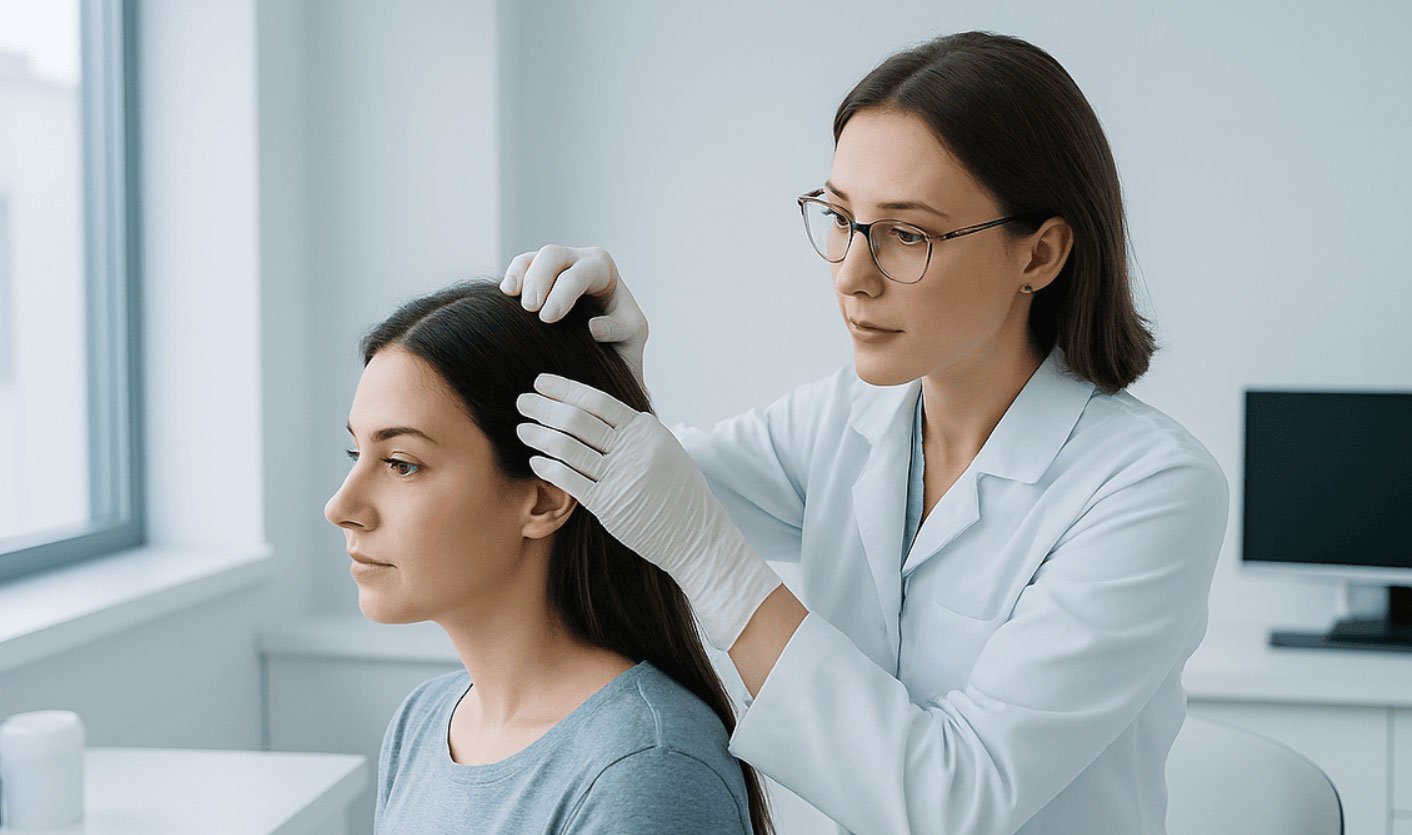
What Is Hair Loss?
Hair loss refers to reduced hair density, excessive shedding or noticeable thinning of the scalp or other areas of the body. It can develop gradually or appear more suddenly, and the underlying cause can be very different from one person to another.
Why the Cause Matters
Hair growth depends on a healthy hair follicle and a normal growth cycle. Hereditary factors, hormonal changes, nutritional problems, certain illnesses, medications, stress and scalp conditions can all affect this cycle. Identifying the likely cause is an important first step before considering any treatment, including regenerative or cell-based approaches.
Every Hair-Loss Case Is Different
There is no single treatment that is appropriate for every type of hair loss. A proper clinical assessment can help determine whether the hair loss is related to pattern hair loss, another medical condition or a temporary change in the hair-growth cycle.
Pattern Hair Loss
Often influenced by genetics and hormones, this can cause gradual thinning or a changing hairline over time.
Excessive Hair Shedding
Increased shedding may occur after illness, significant stress, nutritional changes or other disruptions to the hair cycle.
Medical Causes
Thyroid problems, autoimmune conditions, hormonal changes and other health issues can sometimes contribute to hair loss.
Scalp & Follicle Health
Scalp inflammation or damage affecting the hair follicle may also influence hair growth and density.
Common Changes People Notice With Hair Loss
Why Is Stem Cell Therapy Being Studied for Hair Loss?
Researchers are investigating whether cell-based and regenerative approaches may influence the environment around hair follicles and support biological processes involved in hair growth. The goal is to better understand whether these approaches could eventually become useful options for selected forms of hair loss.
Understanding the Research
Hair follicles are living structures that go through repeated growth and resting cycles. Researchers are studying different regenerative strategies that may affect follicle signaling, tissue environment and other biological pathways associated with hair growth.
Hair Follicle Signaling
Researchers are examining biological signals that may influence the activity and behavior of cells associated with hair follicles.
Regenerative Processes
Cell-based research looks at whether regenerative mechanisms could support the local tissue environment around hair follicles.
Cellular Communication
Scientists are studying how cells communicate through biological signals and whether these pathways may have a role in hair-growth research.
Future Treatment Research
Ongoing studies may help clarify which regenerative approaches, if any, could have a meaningful role in future hair-loss care.
Stem Cell Research Is Not the Same as an Established Treatment
It is important to separate laboratory research and early clinical studies from treatments that have established effectiveness and safety. The suitability of any regenerative approach depends on the underlying cause of hair loss, the individual's medical history and the evidence supporting the specific treatment being considered.
Who May Be Considered for Regenerative Hair-Loss Treatment?
Not everyone with hair loss is a candidate for a cell-based or regenerative approach. The first step is understanding why the hair loss is occurring and whether the proposed treatment has a reasonable basis for the individual's situation.
Clearly Assessed Cause of Hair Loss
A dermatologist may first determine whether the pattern is consistent with hereditary hair loss, excessive shedding, alopecia or another scalp or medical condition.
Suitable Hair and Scalp Assessment
The condition of the scalp, existing hair follicles and areas of thinning can help guide which treatment options are worth discussing.
Previous Treatment History
Current and previous hair-loss treatments, their duration and response can provide useful context when considering another approach.
Overall Health
Medical conditions, medications, allergies and other health factors may influence whether a particular procedure is appropriate.
Realistic Treatment Expectations
Patients should understand what is known about the proposed therapy, what remains uncertain and whether established alternatives may be more appropriate.
What May Be Reviewed Before Treatment?
A specialist assessment can help separate a potentially treatable cause of hair loss from situations where a different medical approach is needed.
Evaluation Before Considering Stem Cell Therapy for Hair Loss
A careful evaluation helps determine what may be causing the hair loss and whether regenerative treatment is even appropriate to discuss. The assessment should begin with the diagnosis rather than with a particular procedure.
What a Specialist May Assess
The evaluation can vary depending on the pattern and history of hair loss, but it generally focuses on understanding the scalp, follicles, medical background and previous treatment.
Medical Information You May Be Asked to Share
If an initial review is arranged remotely, relevant medical information can help the specialist understand the case before a consultation.
Additional Testing May Be Recommended
Depending on the suspected cause, a specialist may recommend additional examination or laboratory testing before deciding on a treatment plan.
Established Options Should Also Be Discussed
Evaluation should include appropriate conventional treatment options when available, rather than assuming that a regenerative procedure is the best next step.
How the Regenerative Treatment Process for Hair Loss May Work
If a regenerative or cell-based procedure is being considered, the process should begin with medical assessment rather than directly with treatment. The exact steps can vary depending on the cause of hair loss and the specific procedure under consideration.
Medical Records Review
Relevant medical history, previous diagnoses, scalp assessments and treatment records may be reviewed to understand the case.
Specialist Evaluation
A qualified specialist can assess the pattern and likely cause of hair loss and discuss appropriate treatment options.
Treatment Discussion
If regenerative therapy is considered, the proposed approach, evidence, limitations, risks and alternatives should be explained before proceeding.
Follow-Up Assessment
Follow-up helps monitor the scalp and hair over time and allows the care team to assess the response and address any concerns.
Before Treatment
A responsible treatment plan should be based on the individual's diagnosis and medical history.
After Treatment
Follow-up is an important part of any procedure and should not be overlooked when considering a treatment abroad.
Potential Benefits and Limitations of Stem Cell Therapy for Hair Loss
Regenerative medicine is being investigated as a possible approach to hair restoration, but the evidence is still developing. It is important to understand what researchers are exploring as well as what cannot currently be promised.
What Researchers Are Exploring
Current research is focused on understanding how regenerative approaches might interact with hair follicles and the surrounding tissue environment.
Important Limitations to Understand
A promising biological concept does not automatically translate into a proven clinical treatment. Patients should consider the limitations of the available evidence.
What Can Patients Realistically Expect?
A responsible consultation should focus on the individual's diagnosis and the evidence for the specific procedure rather than promising a particular cosmetic result.
Types of Cell-Based and Regenerative Approaches Being Studied
Research into regenerative hair restoration includes several approaches that aim to influence the biological environment around hair follicles. These approaches are not interchangeable, and their evidence, preparation methods and clinical use can differ.
Mesenchymal Stromal or Stem Cell Approaches
Researchers are studying mesenchymal stromal or stem-cell-related approaches because of their potential role in cellular signaling, tissue interaction and regenerative processes. Different studies may use different cell sources and preparation methods.
Cell-Derived Factors and Secretome Research
Some research focuses on substances released by cells rather than relying only on the direct administration of living cells. These cell-derived factors are being investigated for their possible effects on follicle-related signaling and tissue environments.
Follicle and Tissue Regeneration Research
Scientists are also exploring ways to support the biological environment surrounding hair follicles, including mechanisms associated with follicle activity, tissue repair and cellular communication.
Combination Regenerative Strategies
Some experimental research investigates regenerative approaches alongside other techniques. The specific combination, protocol and clinical evidence need to be evaluated individually rather than assumed to provide the same results for every patient.
Why the Approach Matters
“Stem cell therapy” is a broad term. Before considering a procedure, patients should understand exactly what is being proposed.
- What type of cells or cell-derived material is being used?
- Where does the biological material come from?
- How is it prepared and administered?
- What evidence supports the specific procedure?
- What risks and follow-up requirements have been identified?
Research Is Not the Same as Standard Care
A treatment being investigated in research does not mean it has become an established treatment for hair loss.
- Evidence may differ between studies and protocols.
- Results from laboratory or early studies may not predict individual outcomes.
- Long-term effectiveness and safety may still require further evaluation.
- Established hair-loss treatments may remain appropriate.
- A qualified specialist should assess whether an approach is suitable.
Risks and Safety Considerations for Regenerative Hair-Loss Treatment
Any procedure involving cells, biological material or injections can involve risks. Because regenerative approaches for hair loss are still developing, patients should understand both procedure-related risks and the uncertainty surrounding long-term outcomes.
Why Careful Evaluation Matters
Safety cannot be determined simply by calling a procedure “regenerative” or “stem cell based.” The exact product, preparation, administration method and patient's medical circumstances all matter.
Procedure-Related Effects
Depending on how a treatment is administered, temporary pain, swelling, redness, tenderness or irritation may occur.
Infection Risk
Any procedure that breaks the skin can carry a risk of infection, particularly if appropriate sterile procedures are not followed.
Unexpected Reactions
Biological products or procedures may produce reactions that differ between individuals and may require medical assessment.
Uncertain Effectiveness
A regenerative procedure may not produce meaningful hair-density improvement, and outcomes cannot be guaranteed.
Limited Long-Term Evidence
Some approaches require additional research to establish their long-term safety, effectiveness and appropriate patient selection.
Product and Protocol Differences
Cell source, preparation, dosage, administration and treatment protocols can vary, making results from one approach difficult to apply to another.
Questions to Ask Before Considering Treatment
A detailed consultation can help patients make a more informed decision about whether an experimental or regenerative approach is appropriate for them.
Cost of Stem Cell Therapy for Hair Loss in India
The cost of regenerative or cell-based treatment for hair loss can vary considerably because there is no single standardized procedure or universal treatment protocol. A meaningful estimate should be based on the patient's diagnosis, proposed approach and clinical plan.
Personalized Pricing
The exact cost should be confirmed only after reviewing the patient's condition and the specific treatment being considered.
- Medical consultation and evaluation
- Diagnostic or scalp assessment when required
- Specific regenerative procedure or protocol
- Doctor, facility and procedure-related charges
- Follow-up and monitoring requirements
What Can Influence the Cost?
Several factors may affect the overall expense of exploring regenerative hair-loss treatment in India.
Ask What Your Treatment Estimate Includes
When comparing treatment options, looking only at the headline price may not provide a complete picture. Ask for a clear explanation of what is included and what may be billed separately.
Why Consider India for Hair-Loss Evaluation and Regenerative Medicine?
India offers access to a broad range of specialist medical services, including dermatology, hair-loss evaluation and regenerative medicine research. For international patients, the priority should be finding appropriate clinical expertise and a transparent treatment plan rather than choosing a destination based only on cost.
What Patients May Value About Care in India
The right care pathway depends on the cause of hair loss and the treatment being considered. India can provide access to different specialists and medical facilities for evaluation and treatment planning.
Specialist Evaluation
Patients can seek assessment from appropriately qualified dermatology or hair-loss specialists before considering regenerative options.
Access to Medical Facilities
Depending on the treatment plan, patients may have access to hospitals, clinics and specialist facilities offering relevant medical services.
Regenerative Medicine Interest
Some Indian medical centres and research groups are involved in areas of regenerative medicine and related clinical research.
International Patient Support
International patients may receive assistance with consultations, scheduling, travel coordination and communication.
What Should Matter Most When Choosing Care?
Destination alone does not determine the quality or suitability of treatment. Patients should evaluate the medical plan and the qualifications of the professionals providing care.
A Practical Path for International Patients
Patients travelling to India can begin the process remotely so that the initial medical review and treatment discussion are better organized before travel.
Preparing for Hair-Loss Evaluation and Treatment in India
International patients considering hair-loss care in India can often make the process easier by organizing their medical information before travel. A clear record of the hair-loss pattern, previous treatments and relevant medical history can help specialists understand the situation and discuss appropriate options.
What You Can Prepare Before Your Visit
- Hair-Loss History: Note when the hair loss or thinning started, how it has changed and whether it is gradual, sudden or associated with other changes.
- Previous Diagnoses: Share dermatology or other specialist reports that may help explain the underlying cause.
- Previous Treatments: Provide information about medicines, procedures, supplements or other hair-loss treatments you have already tried.
- Medical Records: Keep relevant test results, consultation notes and information about medical conditions or medicines that may be important to the evaluation.
- Scalp and Hair Images: Recent photographs from useful angles may help with an initial review, although they do not replace an in-person examination.
A Simple International Patient Journey
Share Your Medical Information
Provide available reports, treatment history and relevant photographs for an initial understanding of your hair-loss concerns.
Specialist Review
A qualified specialist can assess the available information and determine whether additional evaluation may be needed.
Discuss Appropriate Options
Treatment options can be discussed according to the diagnosis, evidence, individual circumstances and expected benefits and limitations.
Plan the Visit and Follow-Up
If an in-person visit is appropriate, the timing of evaluation, treatment and follow-up can be coordinated around the patient's medical plan.
Organized Records
Keeping your previous reports and treatment history together can make medical discussions more efficient.
Specialist Assessment
A proper evaluation helps identify the likely cause of hair loss before treatment decisions are made.
Coordinated Planning
International patients can plan consultations, investigations and follow-up around their medical needs.
Recovery and Follow-Up After Hair-Loss Treatment
Recovery after a hair-loss procedure depends on the specific treatment performed, the patient's scalp condition and the clinical protocol used. Follow-up is important for monitoring healing, documenting changes and deciding whether additional care may be appropriate.
What Follow-Up May Include
- Early Recovery Review: The treating team may assess the scalp and address any immediate questions or concerns following the procedure.
- Scalp Monitoring: Changes such as redness, tenderness or other local effects may be reviewed according to the procedure performed.
- Hair-Density Assessment: Where appropriate, specialists may document changes in hair density, shedding or appearance over time.
- Longer-Term Review: Hair growth and hair-cycle changes can take time to assess, so follow-up may extend beyond the immediate recovery period.
- Ongoing Treatment Planning: Established hair-loss treatments or other options may continue to be considered according to the underlying diagnosis.
What Patients Should Keep in Mind
- Recovery instructions can differ depending on the exact procedure, biological material used and method of administration.
- Temporary scalp changes may occur after some procedures and should be discussed with the treating clinical team.
- Changes in hair appearance should not be judged immediately after treatment because hair growth follows natural biological cycles.
- Follow-up photographs or clinical assessments may help specialists compare changes over time.
- Any unexpected or persistent symptoms should be reported to the treating healthcare professional.
Immediate Recovery
Follow the clinic's instructions for scalp care, activity and any prescribed medicines or aftercare.
Progress Monitoring
Attend scheduled reviews so the clinical team can assess healing and document relevant changes.
Longer-Term Assessment
Hair-related outcomes may require observation over time rather than relying on an immediate post-treatment appearance.
What May Be Monitored Over Time
The exact follow-up plan should be individualized by the treating specialist. Depending on the patient's situation, monitoring may include:
How HealPassage Helps Patients Explore Hair-Loss Care in India
Choosing care for hair loss can be difficult when different procedures, treatment claims and clinical approaches are available. HealPassage helps international patients organize their medical information, understand available options and coordinate discussions with appropriate healthcare providers in India.
Start With the Medical Question, Not Just the Procedure
Hair loss can have several causes, and the most appropriate treatment may differ from one patient to another. HealPassage focuses on helping patients understand the underlying concern and explore specialist-led care rather than assuming that a particular regenerative procedure is appropriate.
What Our Support Can Help With
- Organizing medical records, previous treatment information and relevant photographs for specialist review.
- Helping patients understand the difference between established hair-loss care and emerging regenerative approaches.
- Coordinating communication with appropriate specialists and healthcare facilities based on the patient's needs.
- Helping international patients understand consultation, treatment planning and follow-up arrangements.
- Supporting clearer discussions about expected costs, treatment plans and practical considerations before travel.
Medical Record Coordination
We can help organize the information needed for an initial specialist review, including previous diagnoses, treatment history and relevant reports.
Specialist Access
Patients can explore consultations with appropriate medical specialists according to the suspected cause and clinical requirements.
Evidence-Aware Information
We encourage patients to understand what is established, what remains under research and what questions should be discussed before choosing regenerative care.
Treatment Discussion
Patients can receive clearer information about the proposed approach, possible alternatives, expected follow-up and practical considerations.
Cost Coordination
Once a clinical plan is available, we can help patients understand the components that may contribute to the overall treatment estimate.
International Patient Support
Travel planning, appointment coordination and communication can be organized around the patient's medical schedule and follow-up requirements.
From Initial Inquiry to Medical Care
Share Your Details
Provide your hair-loss history, medical records and previous treatment information.
Medical Review
Relevant information can be reviewed to determine what type of specialist assessment may be appropriate.
Plan Your Care
Consultation, investigations and treatment options can be discussed according to the clinical plan.
Coordinate Follow-Up
Follow-up arrangements can be planned so that progress and any ongoing care needs can be appropriately addressed.
Frequently Asked Questions About Stem Cell Therapy for Hair Loss
Find answers to common questions about regenerative approaches, evaluation, treatment considerations, cost and follow-up for hair loss in India.
Can stem cell therapy cure hair loss?
Stem cell therapy should not be described as a guaranteed cure for hair loss. Different forms of hair loss have different causes, and regenerative approaches remain an area of ongoing research. A specialist evaluation is important before considering any cell-based treatment.
Is stem cell therapy for hair loss proven to regrow hair?
Evidence for regenerative and cell-based approaches to hair loss is still developing. Research findings do not necessarily establish a treatment as safe, effective or appropriate for routine use. Patients should ask about the specific procedure, supporting evidence, potential risks and available alternatives.
Who may be considered for stem cell therapy for hair loss?
Suitability depends on the underlying cause and pattern of hair loss, scalp and follicle condition, previous treatments, general health and individual expectations. Being suitable for an evaluation does not mean that stem cell therapy will necessarily be recommended.
What evaluation is needed before regenerative hair-loss treatment?
A specialist may review the history and pattern of hair loss, examine the scalp and hair, review previous treatments and consider relevant medical information or testing. Additional investigations may be recommended when the cause of hair loss is uncertain.
What types of regenerative approaches are being studied for hair loss?
Research includes different cell-based and regenerative strategies, including mesenchymal stromal or stem cell approaches, cell-derived factors or secretome research, follicle and tissue regeneration research, and combination approaches. These approaches can differ substantially in their biological material, preparation, administration and supporting evidence.
How much does stem cell therapy for hair loss cost in India?
There is no single reliable price because regenerative hair-loss procedures can vary considerably. The total cost may depend on the consultation, diagnostic evaluation, biological material or cell-based approach, procedure, facility charges, additional testing and follow-up requirements. A personalized estimate should be provided after the proposed treatment plan is understood.
How long does it take to see results after treatment?
There is no guaranteed timeline for improvement following a regenerative or cell-based procedure. Hair grows through natural cycles, and any changes may require longer-term clinical assessment. The treating specialist should explain what outcomes can reasonably be monitored and over what period.
Are there risks associated with stem cell therapy for hair loss?
Potential risks depend on the specific procedure and biological material used. Possible concerns can include procedure-related effects, infection, unexpected reactions and uncertain effectiveness. The quality of evidence and long-term safety information may also vary between approaches.
Should I stop my existing hair-loss treatment before considering stem cell therapy?
Patients should not stop prescribed or established hair-loss treatments solely because they are considering regenerative therapy. Discuss any changes to your current treatment plan with the healthcare professional managing your hair loss.
Why consider India for hair-loss evaluation and regenerative medicine?
India provides access to a broad range of specialist medical services and healthcare facilities. For international patients, the priority should be appropriate clinical expertise, transparent information, evidence-aware treatment planning and suitable follow-up rather than choosing care based only on cost.
Can HealPassage help international patients explore hair-loss treatment in India?
HealPassage can help international patients organize medical information, explore appropriate specialist consultations, understand treatment-planning considerations, coordinate practical arrangements and discuss estimated costs after a clinical plan is available.
Does HealPassage guarantee the effectiveness of stem cell therapy for hair loss?
No. HealPassage does not guarantee that stem cell therapy or another regenerative treatment will be suitable or effective for an individual patient. Treatment decisions should be based on appropriate medical evaluation, available evidence, potential risks, alternatives and the patient's individual circumstances.
Explore Your Hair-Loss Care Options With a Thoughtful Medical Review
If you are exploring regenerative medicine or other treatment options for hair loss, the first step is understanding the underlying cause and discussing appropriate care with a qualified specialist. HealPassage can help international patients explore specialist evaluation and treatment options in India.