Fertility Care in India

Fertility & IVF Treatment in India

IVF, ICSI, egg and embryo freezing at accredited Delhi fertility centres, with success rates tracked against international clinical benchmarks and care personalized to your history.

HealPassage connects international patients with ART Act-registered fertility centres in Delhi offering IVF, ICSI, egg freezing, and embryo freezing, supported by advanced IVF labs and internationally trained embryologists. Treatment protocols are personalized based on your age, diagnosis, and fertility history, following India's Assisted Reproductive Technology (Regulation) Act, 2021, which sets national standards for ART clinics and donor gamete use. Treatment costs in India are typically up to 80% lower than equivalent private fertility care in the US, UK, or Gulf countries. Please note: India does not permit surrogacy for foreign nationals under the Surrogacy (Regulation) Act, 2021 — our fertility services are limited to IVF, ICSI, and related treatments.

Common TreatmentsIVF, ICSI, Egg Freezing
Typical Cycle Duration4–6 Weeks
RegulationART Act, 2021 Registered Clinics
ConsultationFree, Response in 24–48 Hrs

Procedures & Conditions

What we help you treat

A detailed look at the fertility conditions our partner centres diagnose and manage, and the treatments available to help you conceive or preserve your fertility.

Conditions We Help You Treat

Unexplained Infertility

Difficulty conceiving after 12+ months of trying, with no clear cause identified through standard testing — one of the most common reasons couples seek fertility treatment.

Polycystic Ovary Syndrome (PCOS)

A hormonal condition affecting ovulation, often causing irregular cycles and making natural conception more difficult without medical support.

Blocked or Damaged Fallopian Tubes

Structural issues preventing the egg and sperm from meeting naturally, often bypassed entirely through IVF, which doesn't require functioning tubes.

Male Factor Infertility

Includes low sperm count, poor motility, or abnormal sperm morphology, commonly addressed through ICSI, which injects a single sperm directly into the egg.

Endometriosis

A condition where uterine-like tissue grows outside the uterus, which can affect fertility and may require a combination of surgical and IVF treatment.

Advanced Reproductive Age

Declining egg quantity and quality with age, where earlier fertility preservation or IVF with individualized protocols can improve chances of success.

Recurrent Pregnancy Loss

Repeated miscarriages requiring specialized investigation into genetic, hormonal, or structural causes before planning further treatment.

Fertility Preservation Needs

Patients facing cancer treatment, gender-affirming care, or simply wanting to delay childbearing can preserve fertility through egg or embryo freezing beforehand.

Treatments Available

In Vitro Fertilization (IVF)

Assisted Reproduction

Eggs are retrieved and fertilized with sperm in a lab, and the resulting embryo is transferred to the uterus. The most widely used ART treatment, suitable for a broad range of fertility challenges.

Typical cycle duration: 4–6 weeks

Intracytoplasmic Sperm Injection (ICSI)

Assisted Reproduction

A single sperm is injected directly into an egg to assist fertilization, commonly used for male factor infertility or after previous failed IVF attempts.

Typical cycle duration: 4–6 weeks

Intrauterine Insemination (IUI)

Assisted Reproduction

Prepared sperm is placed directly into the uterus around the time of ovulation — a less invasive, lower-cost first step often tried before moving to IVF.

Typical cycle duration: 2–3 weeks

Egg Freezing (Oocyte Cryopreservation)

Fertility Preservation

Eggs are retrieved and frozen for future use, allowing patients to preserve fertility ahead of medical treatment, age-related decline, or personal circumstances.

Typical cycle duration: 2–3 weeks

Embryo Freezing (Cryopreservation)

Fertility Preservation

Fertilized embryos from an IVF cycle are frozen for future transfer, allowing multiple attempts at pregnancy from a single egg retrieval.

Typical cycle duration: Part of IVF cycle

Frozen Embryo Transfer (FET)

Assisted Reproduction

A previously frozen embryo is thawed and transferred into the uterus, often used when returning for a subsequent attempt after an initial IVF/ICSI cycle.

Typical cycle duration: 2–3 weeks

Laparoscopic Fertility Surgery

Minimally Invasive

Keyhole surgery to treat structural issues such as endometriosis, fibroids, or blocked fallopian tubes that may be affecting natural conception or IVF success.

Typical hospital stay: Day case – 1 day

Fertility Evaluation & Diagnostics

Diagnostic

Comprehensive testing for both partners — including hormone panels, semen analysis, and imaging — to identify the underlying cause before recommending a treatment path.

Typical duration: 1 week

This information is for general educational purposes and does not constitute medical advice. The right treatment for your situation can only be determined by a qualified fertility specialist after reviewing your specific case and diagnostic results. Note: surrogacy is not available to foreign nationals in India under the Surrogacy (Regulation) Act, 2021.

Where you'll be treated

Leading fertility centres in Delhi

These are the dedicated fertility and IVF centres in our Delhi network best suited for international patients.

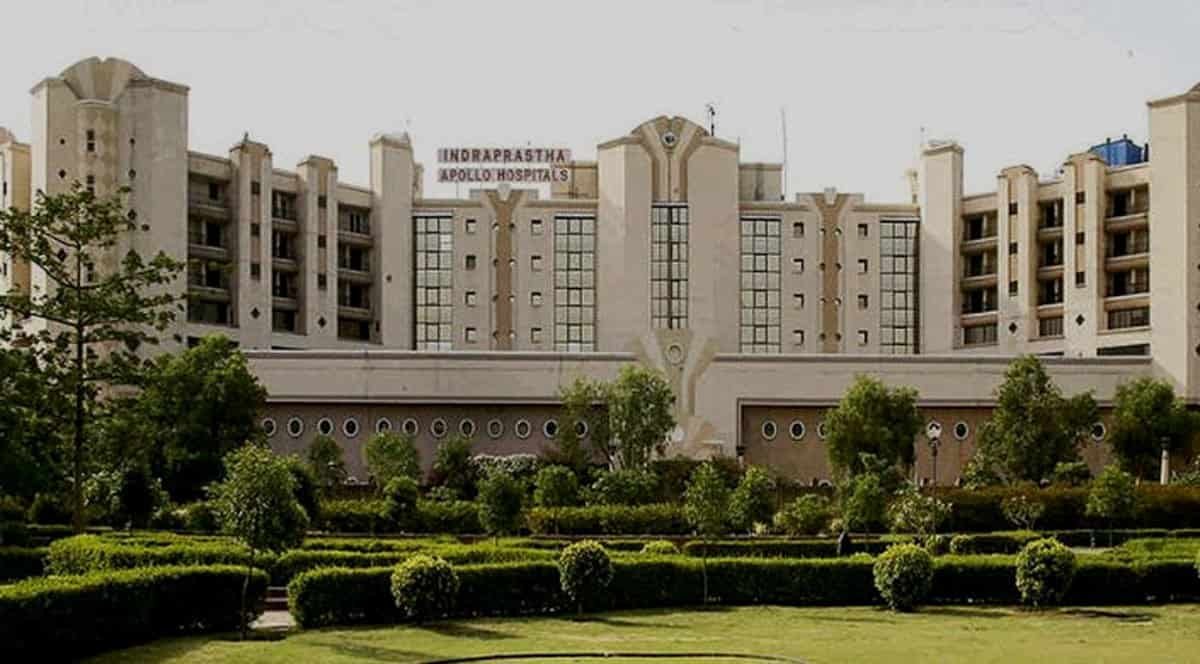
Indraprastha Apollo Hospitals

📍 Sarita Vihar
Assisted Reproduction Unit•JCI Accredited

A dedicated IVF lab staffed with in-house embryologists, part of India's first JCI-accredited hospital, with full diagnostic support for both partners before treatment begins.

IVFICSIFertility Diagnostics

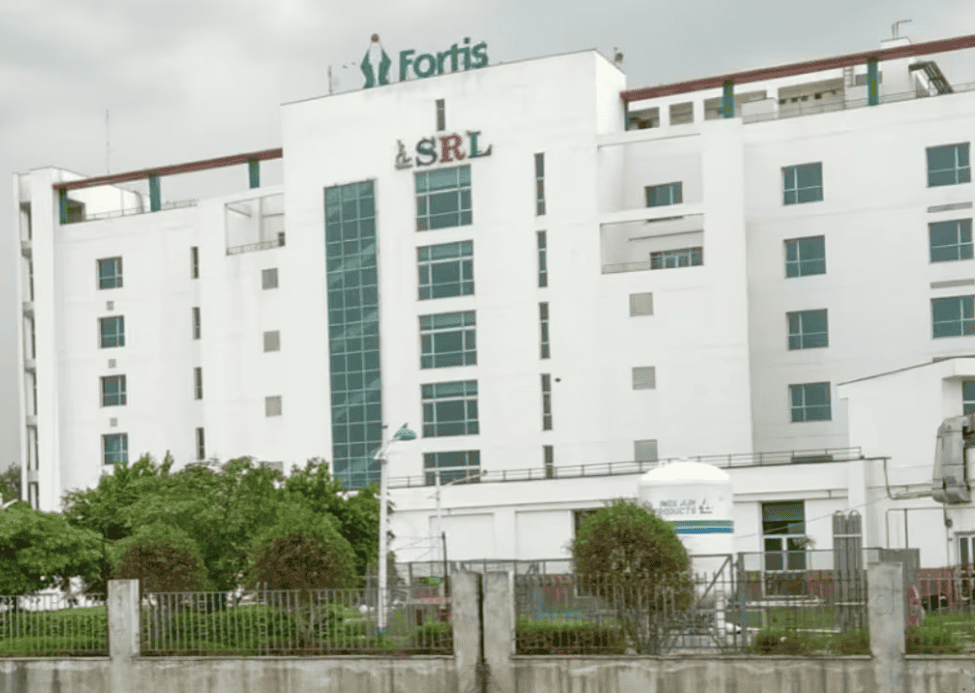
Fortis Ridge IVF Centre

📍 Shalimar Bagh
50+ Years Combined Experience•Level III NICU

A dedicated fertility centre within Fortis Hospital, Shalimar Bagh, offering IVF, ICSI, IUI, and fertility preservation with integrated access to obstetrics and a Level III NICU for seamless care from conception through childbirth.

IVFICSIIUIFertility Preservation

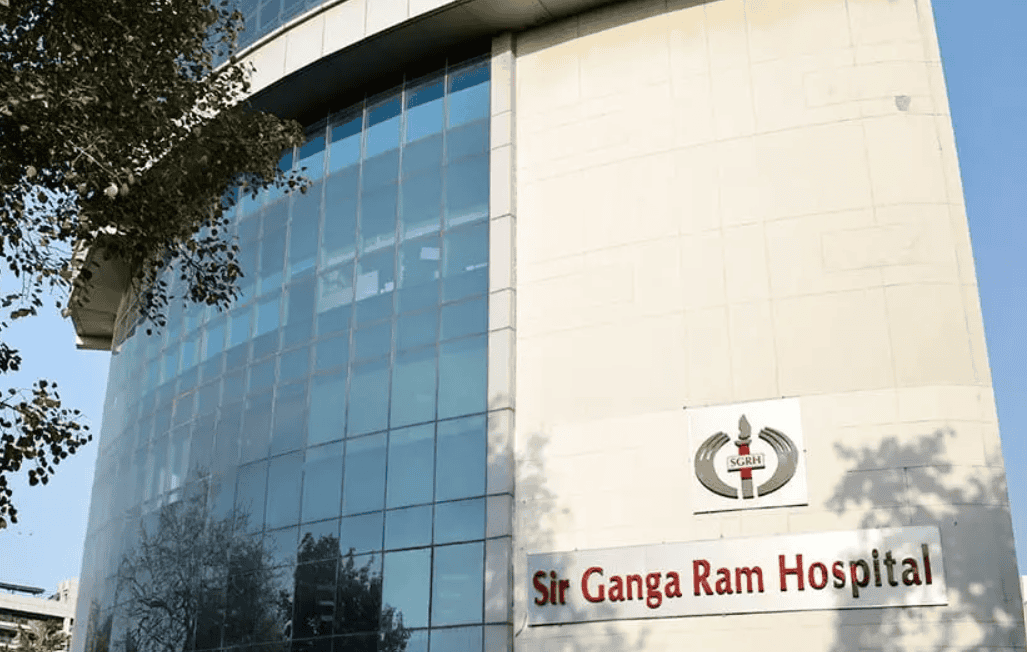
Sir Ganga Ram Hospital

📍 Rajinder Nagar
Centre of IVF & Human Reproduction•NABH Accredited

Home to a dedicated Centre of IVF & Human Reproduction, part of one of Delhi's oldest and most established hospitals, offering fertility care alongside its 71 specialties.

IVFReproductive Medicine

Not sure which centre fits your specific case? Share your history and we'll recommend the right one.

Get a Free Recommendation →
```

Fertility care questions

Fertility & IVF FAQs

Answers to what patients most commonly ask before traveling to India for fertility treatment.

Does India allow surrogacy for foreign nationals? +

No. Under India's Surrogacy (Regulation) Act, 2021, surrogacy is restricted to Indian citizens only — foreign nationals, NRIs, single parents, and same-sex couples are not eligible, regardless of medical circumstances. India was previously known as a surrogacy destination before this law, so we want to be upfront: HealPassage cannot facilitate surrogacy arrangements for international patients under any circumstance, as this would be illegal. We can, however, help with IVF, ICSI, and egg/embryo freezing.

What is the success rate of IVF in India? +

IVF success rates vary significantly based on age, diagnosis, egg/sperm quality, and the specific protocol used — a single generic percentage would be misleading for your situation. Reputable clinics will discuss realistic, personalized expectations after reviewing your fertility workup, rather than promising a fixed number upfront.

Can I use a sperm or egg donor for IVF in India? +

Donor gametes are regulated under India's ART (Regulation) Act, 2021, which requires donors to be anonymous and altruistic — commercial sale of eggs or sperm is prohibited. Availability and eligibility rules can vary, so this is something to confirm directly with the fertility clinic based on your specific situation before planning treatment.

How many IVF cycles might I need? +

This varies widely by individual — some patients conceive on their first cycle, while others need multiple attempts. Your fertility specialist will give you a realistic picture based on your age, diagnosis, and any previous treatment history, rather than a generic number that may not apply to your case.

How long do I need to stay in India for an IVF cycle? +

A typical IVF or ICSI cycle — from ovarian stimulation through egg retrieval and embryo transfer — takes about 4 to 6 weeks. Some patients choose to freeze embryos and return later for a separate frozen embryo transfer, which involves a shorter second trip of around 2 to 3 weeks.

Is there an age limit for fertility treatment in India? +

India's ART (Regulation) Act sets upper age limits for ART treatment, and individual clinics may apply their own clinical judgment based on your health and ovarian reserve. Your fertility specialist will confirm what applies to your specific case during your initial consultation.

What reports should I send before a fertility consultation? +

Any previous fertility test results (hormone panels, semen analysis, ultrasound reports), details of prior fertility treatments or IVF cycles attempted, and a summary of your medical and menstrual history. This helps the fertility specialist review your case and outline a plan before you travel.

This information is for general educational purposes only and is not a substitute for professional medical advice. Always consult a qualified fertility specialist regarding your specific situation and treatment options.

Scroll to Top