Cancer Care in India

Oncology & Cancer Care in India

Medical, surgical and radiation oncology at accredited Delhi cancer centres, with multidisciplinary tumor boards and robotic-assisted tumor surgery for complex cases.

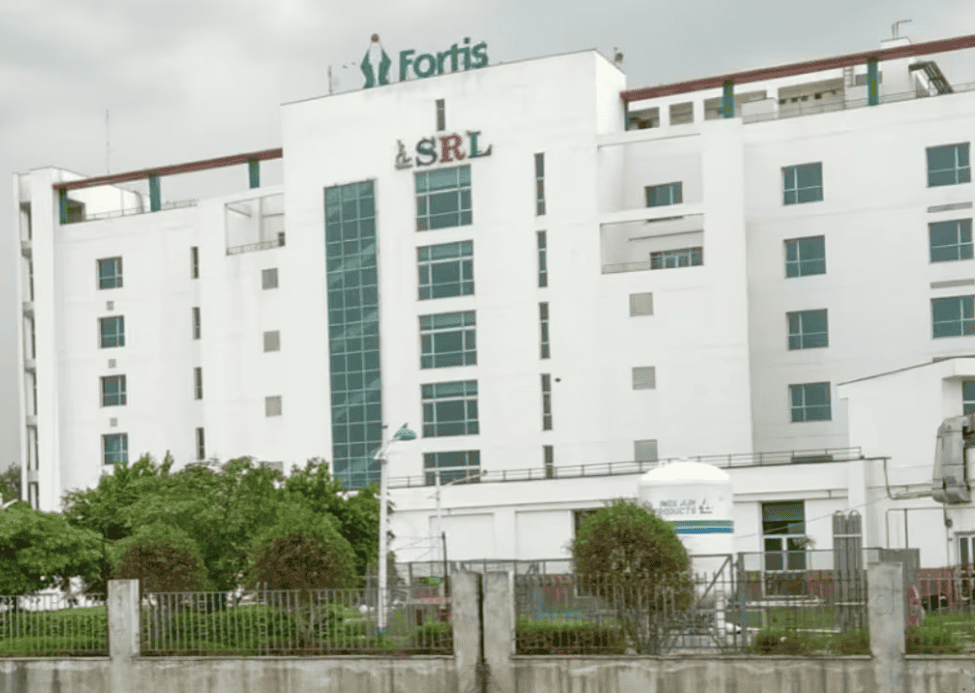
HealPassage connects international patients with NABH & JCI-accredited oncology centres in Delhi offering chemotherapy, radiation therapy, surgical oncology, and bone marrow transplant for blood cancers. Partner hospitals include dedicated cancer institutes such as the Fortis Cancer Institute at Fortis Hospital, Shalimar Bagh, and centres with Da Vinci robotic surgery capability for precision tumor removal with less tissue trauma than open surgery. Cases are reviewed by multidisciplinary tumor boards — combining medical, surgical, and radiation oncologists — rather than a single doctor's opinion, and treatment costs in India are typically up to 90% lower than equivalent private cancer care in the US, UK, or Gulf countries.

Common TreatmentsChemo, Radiation, Tumor Surgery
Treatment DurationVaries by Protocol & Stage
AccreditationNABH & JCI Certified Centres
ConsultationFree, Response in 24–48 Hrs

Procedures & Conditions

What we help you treat

A detailed look at the cancers our partner oncology centres diagnose and manage, and the treatments available for each stage of care.

Cancers We Help You Treat

Breast Cancer

One of the most commonly treated cancers at our partner hospitals, with options spanning breast-conserving surgery, mastectomy, and reconstructive surgery alongside chemotherapy and radiation.

Oral & Head-Neck Cancer

India accounts for roughly one-third of oral cancer cases worldwide, largely linked to tobacco use — giving Indian surgical oncologists unusually deep, high-volume experience in complex head and neck tumor surgery and reconstruction.

Lung Cancer

Diagnosed and staged using advanced imaging (CT/PET scans), with treatment options including surgery, radiation, chemotherapy, and targeted therapy depending on cancer type and stage.

Colorectal Cancer

Cancers of the colon and rectum, often treated with a combination of surgery (increasingly laparoscopic or robotic-assisted) and chemotherapy, depending on staging.

Blood Cancers (Leukemia & Lymphoma)

Cancers of the blood and bone marrow, treated through chemotherapy protocols and, for eligible patients, bone marrow or stem cell transplant.

Cervical & Ovarian Cancer

Gynecologic cancers treated through a combination of surgery, radiation (including brachytherapy for cervical cancer), and chemotherapy based on stage at diagnosis.

Liver Cancer

Primary liver cancers and select metastatic cases treated through surgical resection, targeted therapy, or in eligible cases, liver transplant.

Prostate Cancer

Commonly managed through active surveillance for low-risk cases, or surgery and radiation therapy for cancers requiring active treatment, depending on staging and patient factors.

Treatments Available

Surgical Oncology

Surgical

Removal of tumors and, where needed, surrounding tissue or lymph nodes. Advances in surgical technique allow for precise tumor removal with minimal impact on function, often followed by reconstructive surgery if needed.

Typical hospital stay: 3–7 days, depending on procedure

Robotic Tumor Surgery

Minimally Invasive

Da Vinci robotic-assisted surgery for select tumor types, offering greater surgical precision, smaller incisions, and often faster recovery compared to open surgery.

Typical hospital stay: 2–5 days, depending on procedure

Chemotherapy

Medical

Drug-based treatment given via injection or tablets to destroy cancer cells or stop their growth, administered in cycles over weeks to months depending on the protocol.

Typical duration: Multiple cycles over weeks to months

Radiation Therapy (IMRT/IGRT)

Non-Surgical

High-precision radiation techniques (Intensity-Modulated and Image-Guided Radiation Therapy) that target tumors while sparing surrounding healthy tissue, delivered daily over several weeks.

Typical duration: Daily sessions over 3–7 weeks

Brachytherapy

Non-Surgical

Internal radiation therapy where a radioactive source is placed directly at or near the tumor, commonly used for cervical and certain other localized cancers.

Typical duration: Multiple sessions, often outpatient

Bone Marrow & Stem Cell Transplant

Surgical

A well-established treatment for eligible blood cancers, replacing damaged bone marrow with healthy stem cells, requiring extended hospital monitoring due to temporary immune suppression.

Typical hospital stay: 3–5 weeks

Targeted Therapy & Immunotherapy

Medical

Newer drug therapies that target cancer cells based on their specific genetic or molecular characteristics, often with different side effect profiles than traditional chemotherapy.

Typical duration: Ongoing cycles, varies by drug and protocol

Reconstructive Surgery

Surgical

Restorative procedures following cancer surgery — such as breast reconstruction or facial/oral reconstruction after head and neck cancer surgery — to restore function and appearance.

Typical hospital stay: 4–8 days, depending on procedure

This information is for general educational purposes and does not constitute medical advice. Cancer treatment plans are highly individualized — the right combination of treatments for your case can only be determined by an oncology team after reviewing your specific diagnosis, staging, and pathology reports.

Where you'll be treated

Leading cancer care hospitals in Delhi

These are the accredited oncology centres in our Delhi network best suited for international cancer patients.

Venkateshwar Hospital

Venkateshwar Hospital

📍 Dwarka
300+ beds•NABH Accredited

Launched Asia's first MR-based treatment planning system for oncology, backed by an Elekta Versa HD linear accelerator and 3 Tesla MRI for highly targeted radiation therapy planning.

MR-Based Radiation PlanningNuclear Medicine
BLK-Max Super Speciality Hospital

BLK-Max Super Speciality Hospital

📍 Rajendra Place
650 beds•JCI & NABH

Home to one of Asia's largest bone marrow transplant centres, making it a strong option for patients with blood cancers such as leukemia and lymphoma requiring stem cell transplant.

Bone Marrow TransplantHematologic Oncology
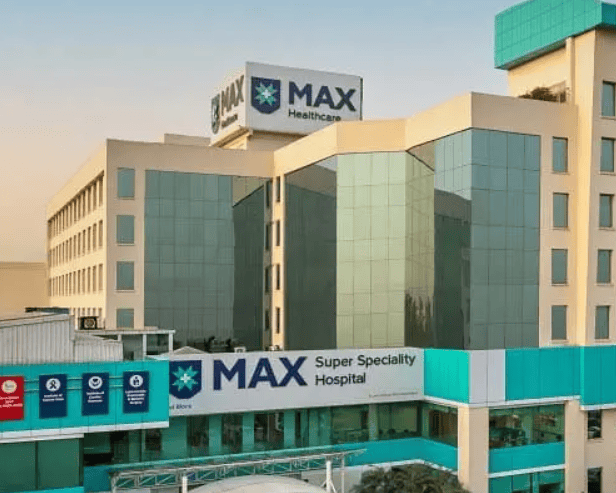
Max Super Speciality Hospital, Saket

Max Super Speciality Hospital, Saket

📍 Saket
530+ beds•JCI & NABH

A regional hub for targeted cancer treatment, part of a hospital offering 38 specialties and complex, multidisciplinary care for patients needing coordinated oncology and surgical input.

Targeted Cancer TherapySurgical Oncology
Indraprastha Apollo Hospitals

Indraprastha Apollo Hospitals

📍 Sarita Vihar
710+ beds•JCI Accredited

India's first JCI-accredited hospital, offering oncology care as part of its 52 specialties, with access to Da Vinci robotic surgery for select tumor procedures.

Medical OncologyRobotic Surgery
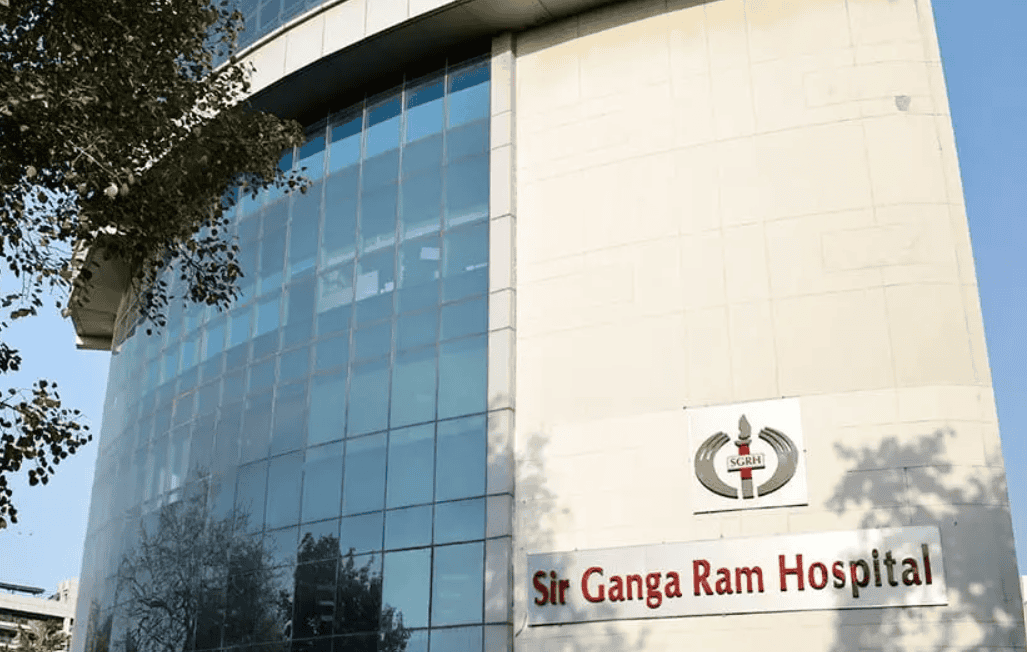
Sir Ganga Ram Hospital

Sir Ganga Ram Hospital

📍 Rajinder Nagar
900+ beds•71 Specialties

One of Delhi's oldest and most established hospitals, offering oncology services as part of its 71 specialties, backed by decades of institutional experience.

Medical OncologySurgical Oncology

Not sure which hospital fits your specific case? Share your reports and we'll recommend the right one.

Get a Free Recommendation →

Cancer care questions

Oncology & Cancer Care FAQs

Answers to what patients most commonly ask before traveling to India for cancer treatment.

How is the right treatment — surgery, chemotherapy, or radiation — decided for my case? +

Cancer treatment plans are typically decided by a multidisciplinary tumor board — a team of surgical, medical, and radiation oncologists reviewing your specific cancer type, stage, and overall health together. Many patients receive a combination of treatments rather than just one. This decision requires your pathology reports and imaging, not something that can be determined generically.

What is the survival or success rate for cancer treatment in India? +

Survival rates vary enormously by cancer type, stage at diagnosis, and individual patient factors — a single generic percentage would be more misleading than helpful for your specific situation. We'd rather connect you directly with an oncologist who can discuss outcomes relevant to your exact diagnosis and stage, based on your actual reports.

Can I get a second opinion on my cancer diagnosis before starting treatment? +

Yes, and we strongly encourage it for a cancer diagnosis. Send us your pathology and imaging reports, and we can arrange a video consultation with an oncologist in Delhi for an independent review — before you commit to any travel or treatment plan.

How long does cancer treatment in India typically take? +

This varies significantly depending on your treatment plan. Surgery alone might involve a 1-2 week trip, while chemotherapy or radiation protocols often run in cycles over several weeks to months. Some patients complete an initial phase in India and continue follow-up treatment or monitoring closer to home with our coordination. Your oncologist will outline a realistic timeline once your treatment plan is confirmed.

Is bone marrow transplant available for blood cancers like leukemia or lymphoma? +

Yes. Several of our partner hospitals, including BLK-Max Super Speciality Hospital, operate established bone marrow transplant programs for blood cancers and disorders, regulated under ICMR and CDSCO oversight. Eligibility depends on your specific diagnosis, donor availability, and overall health, which your hematologist-oncologist will assess.

Do I need to stay in India for my entire cancer treatment? +

Not always. Many patients travel to India for surgery or an initial treatment phase, then return home for ongoing chemotherapy or radiation cycles under a shared care plan with their local doctor, with periodic check-ins. Whether this is appropriate depends on your specific cancer and treatment protocol.

What reports do I need to send before an oncology consultation? +

Pathology/biopsy reports, imaging scans (CT, MRI, or PET), any prior treatment history (surgery, chemotherapy, or radiation already received), and current blood work if available. These let the tumor board review your case accurately before you travel, rather than starting the diagnostic process from scratch on arrival.

This information is for general educational purposes only and is not a substitute for professional medical advice. Always consult a qualified oncologist regarding your specific diagnosis, stage, and treatment options.

Scroll to Top