Orthopedics & Joint Replacement in India
Knee and hip replacement, spine surgery, and sports injury care at accredited Delhi hospitals using the same robotic-assisted systems found in leading US and UK centres.
HealPassage connects international patients with NABH & JCI-accredited orthopedic centres in Delhi offering total knee and hip replacement, spine surgery, arthroscopic sports injury repair, and complex joint reconstruction. Several partner hospitals, including Indraprastha Apollo Hospitals, use the Mako robotic-assisted surgical system for precision joint replacement — the same platform used in leading orthopedic centres in the US, UK and Australia — enabling more accurate implant positioning and, for many patients, faster recovery than traditional techniques. Treatment costs in India are typically up to 90% lower than equivalent private orthopedic care in the US, UK, or Gulf countries.
Procedures & Conditions
What we help you treat
A detailed look at the joint, bone, and spine conditions our partner orthopedic centres diagnose and manage, and the procedures available to treat them.
Conditions We Help You Treat
Osteoarthritis
Progressive wear-and-tear of joint cartilage, most commonly affecting the knee, hip, and shoulder, causing pain, stiffness, and reduced mobility over time.
Avascular Necrosis
Loss of blood supply to bone tissue, most often in the hip, causing the bone to weaken and collapse — frequently requiring joint replacement if diagnosed late.
ACL & Ligament Injuries
Tears or ruptures of the anterior cruciate ligament and other knee ligaments, common in athletes and active individuals, affecting joint stability.
Degenerative Disc Disease
Age-related breakdown of spinal discs causing chronic back or neck pain, sometimes with nerve compression leading to radiating pain, numbness, or weakness.
Herniated Disc
Displacement of spinal disc material that presses on nearby nerves, commonly causing sciatica, back pain, or radiating pain into the arms or legs.
Fractures & Trauma
Broken bones from injury or accident, ranging from simple fractures to complex trauma requiring surgical fixation with plates, screws, or rods.
Rheumatoid Arthritis
An autoimmune condition causing chronic joint inflammation, pain, and progressive joint damage, often affecting multiple joints simultaneously.
Rotator Cuff Injuries
Tears or damage to the tendons stabilizing the shoulder joint, causing pain and weakness, particularly with overhead movement.
Procedures & Treatments Available
Total Knee Replacement
SurgicalThe damaged knee joint surface is replaced with an artificial implant, relieving pain and restoring function for patients with advanced arthritis. Available with robotic-assisted (Mako) precision at select partner hospitals.
Total Hip Replacement
SurgicalThe damaged hip joint is replaced with a prosthetic ball-and-socket implant, commonly performed for severe osteoarthritis, avascular necrosis, or hip fractures. Anterior and robotic-assisted approaches are available at select hospitals.
Arthroscopic Knee Surgery
Minimally InvasiveA camera-guided, keyhole surgical technique used to diagnose and treat conditions such as ACL tears, meniscus damage, and cartilage injuries, with smaller incisions than open surgery.
ACL Reconstruction
Minimally InvasiveReconstruction of a torn anterior cruciate ligament, typically using a tendon graft from another part of the body, to restore knee stability for active patients and athletes.
Spine Surgery (Discectomy & Fusion)
SurgicalRanges from minimally invasive discectomy to remove herniated disc material, to spinal fusion for stabilizing degenerated or unstable segments of the spine, depending on the diagnosis.
Fracture Fixation Surgery
SurgicalSurgical stabilization of broken bones using plates, screws, or rods, allowing proper alignment and healing, particularly for complex or displaced fractures.
Rotator Cuff & Shoulder Surgery
Minimally InvasiveArthroscopic repair of torn shoulder tendons or ligaments, restoring strength and range of motion with a minimally invasive approach and shorter recovery than open surgery.
Revision Joint Replacement
SurgicalA more complex procedure to replace a worn-out or failed previous joint implant, requiring specialized surgical expertise and careful pre-operative planning.
This information is for general educational purposes and does not constitute medical advice. The right procedure for your condition can only be determined by a qualified orthopedic surgeon after reviewing your specific case, medical history, and diagnostic imaging.

Where you'll be treated
Leading orthopedic hospitals in Delhi
These are the accredited orthopedic and joint replacement centres in our Delhi network best suited for international patients.
Indraprastha Apollo Hospitals
📍 Sarita ViharOne of the few Delhi hospitals with a documented track record of robotic-assisted total hip and knee replacement using the Mako system, delivering precision joint reconstruction even for complex cases like rheumatoid arthritis-related joint damage.
Fortis Escorts Heart Institute
📍 OkhlaBetter known for cardiac care, this hospital also runs a well-regarded Bone & Joint Institute offering joint replacement and orthopedic trauma care alongside its broader multi-specialty capabilities.
BLK-Max Super Speciality Hospital
📍 Rajendra PlaceA dedicated orthopedics and joint replacement program supported by extensive modular operation theatre infrastructure, part of one of India's largest private tertiary care hospitals.
Max Super Speciality Hospital, Saket
📍 SaketA large multi-specialty hospital with dedicated orthopedic services covering joint replacement and spine care, as part of a hospital network that has treated over 34 lakh patients.
Fortis Hospital, Vasant Kunj
📍 Vasant KunjA multi-specialty hospital just 8 km from the international airport, with orthopedic services available alongside its broader surgical and transplant programs — a practical option for patients wanting shorter airport transfers.
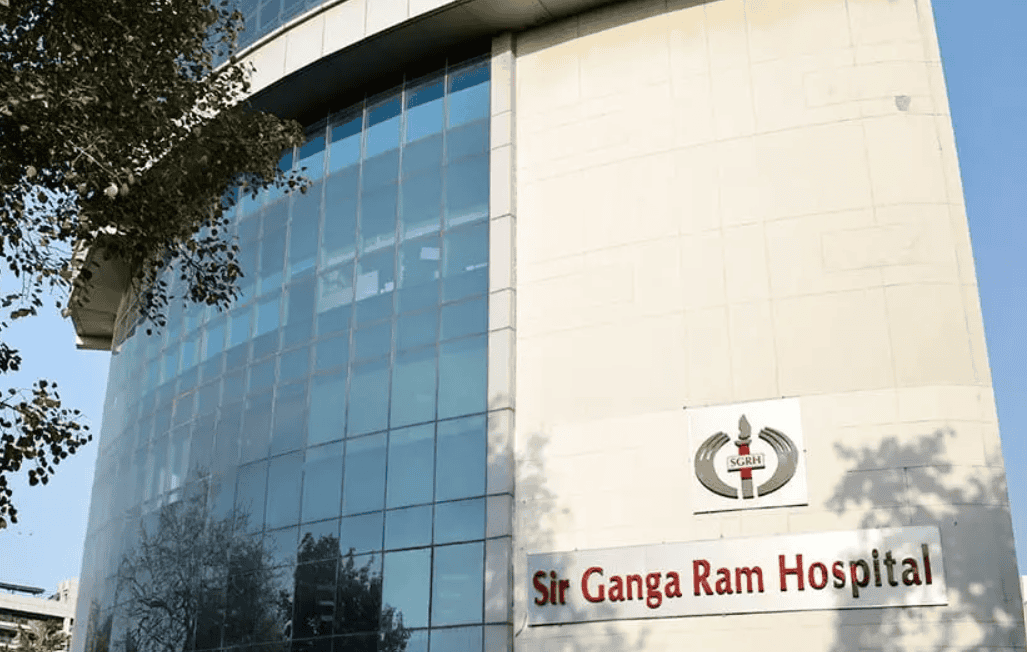
Sir Ganga Ram Hospital
📍 Rajinder NagarOne of Delhi's oldest and most established hospitals, offering orthopedic care as part of its 71 specialties, backed by decades of institutional experience since the 1950s.
Not sure which hospital fits your specific case? Share your reports and we'll recommend the right one.
Get a Free Recommendation →Joint & spine care questions
Orthopedics & Joint Replacement FAQs
Answers to what patients most commonly ask before traveling to India for orthopedic treatment.
How do I know if I need a total or partial knee replacement? +
This depends on how much of the knee joint is damaged. If only one compartment of the knee is affected, a partial replacement may be possible; more widespread damage usually requires a total replacement. This is determined by your orthopedic surgeon based on X-rays or MRI, not something that can be assessed without imaging.
Is robotic joint replacement better than traditional surgery? +
Robotic-assisted systems like Mako allow for more precise implant positioning through 3D pre-surgical planning, which can contribute to better alignment and, for some patients, a smoother recovery. That said, traditional joint replacement remains a well-established, effective procedure — your surgeon will advise whether robotic assistance offers a meaningful benefit for your specific case.
How long before I can walk again after knee or hip replacement? +
Most patients begin walking with support (a walker or crutches) within 24 hours of surgery as part of early mobilization protocols. Independent walking typically develops over the following weeks, with physiotherapy playing a major role. Full recovery and return to normal activity generally takes 3-6 months, though this varies by individual.
How long do I need to stay in India after orthopedic surgery? +
The hospital stay itself is often short (3-5 days for joint replacement, sometimes just a day for arthroscopic procedures), but as an international patient, we generally recommend planning 2-3 weeks in India in total — allowing time for physiotherapy checkpoints and your surgeon's clearance before flying home.
Is it safe to fly home soon after joint replacement surgery? +
Long-haul flights carry a higher risk of blood clots (DVT) after major joint surgery, so your surgeon will assess your recovery and may recommend blood thinners or compression measures before clearing you to fly. We coordinate with your hospital to confirm you're fit to travel before booking your return.
How long do knee and hip implants typically last? +
Modern joint implants commonly last 15-20 years or more for most patients, though this varies with age, activity level, and implant type. Your surgeon can give you a more specific expectation based on the implant used and your lifestyle.
What reports should I send before traveling for an orthopedic consultation? +
Recent X-rays or MRI scans of the affected joint or spine, a summary of your symptoms and how long you've had them, any previous treatments tried (physiotherapy, injections, medications), and your general medical history. This lets the orthopedic surgeon review your case and outline a treatment plan before you arrive.
This information is for general educational purposes only and is not a substitute for professional medical advice. Always consult a qualified orthopedic surgeon regarding your specific condition and treatment options.