
Stem Cell Therapy for Multiple Sclerosis in India
For patients with aggressive relapsing-remitting MS not responding well to standard disease-modifying therapies, hematopoietic stem cell transplant (HSCT) is one of the better-evidenced regenerative approaches available today. HealPassage connects you with neurologists in India experienced in HSCT protocols for MS.
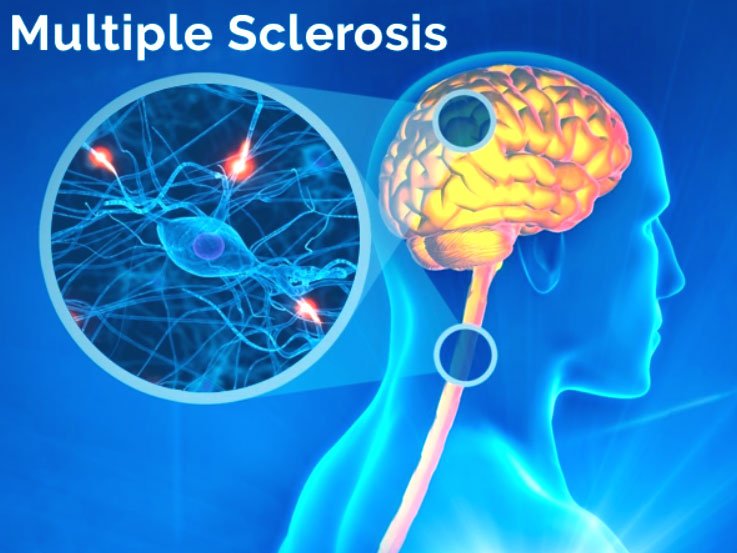
What Is Multiple Sclerosis?
Multiple sclerosis is an autoimmune condition, and its type is the single biggest factor in whether stem cell treatment is likely to help — so understanding the distinction matters before anything else.
Multiple sclerosis (MS) occurs when the immune system mistakenly attacks myelin — the protective coating around nerve fibers in the brain and spinal cord. This damage disrupts the normal flow of nerve signals, leading to a wide range of neurological symptoms that can affect movement, sensation, vision, and cognition.
MS is unpredictable and highly individual — the specific nerves affected and the resulting symptoms vary significantly from person to person. What's consistent, however, is that MS is generally classified into distinct types based on how it progresses over time, and this classification is critical to understanding treatment options.
This is especially important for stem cell-based treatment: the strongest clinical evidence for hematopoietic stem cell transplant (HSCT) exists specifically for aggressive relapsing-remitting MS, not for progressive forms of the disease.

Types of Multiple Sclerosis: Why It Matters Here
Relapsing-Remitting MS (RRMS)
The most common form, marked by clear relapses (flare-ups of new or worsening symptoms) followed by periods of partial or full recovery. Aggressive RRMS not responding to standard disease-modifying drugs is where HSCT has shown the most meaningful clinical trial results.
Secondary Progressive MS (SPMS)
Often develops after a period of RRMS, where the disease shifts to steady progression with fewer distinct relapses. HSCT evidence is considerably weaker here, especially once significant progression has already occurred.
Primary Progressive MS (PPMS)
Characterized by steady worsening from the outset, without distinct relapses and remissions. Current evidence does not strongly support HSCT for this form, and it's generally not the recommended candidate profile.
Common Symptoms
Fatigue
Persistent, often disproportionate tiredness that affects daily function.
Numbness or Tingling
Often one of the earliest signs, commonly affecting the face, arms, or legs.
Vision Problems
Blurred or double vision, or pain with eye movement (optic neuritis).
Balance & Coordination
Dizziness, unsteady walking, or difficulty with fine motor coordination.

Is HSCT Right for Your Type of MS?
HSCT isn't offered to every MS patient — eligibility is fairly specific, and that's actually a good thing, since it reflects where the real evidence lies.
Why eligibility is narrow — and why that's a good sign
The strongest results for HSCT come specifically from patients with aggressive relapsing-remitting MS who have already tried standard disease-modifying therapies without adequate success. This is a sign of a treatment being used responsibly, based on real clinical evidence, rather than offered broadly to anyone who asks. If a provider offers HSCT to every MS patient regardless of type or history, that's a reason for caution, not confidence.
You May Be a Good Candidate If:
- ✓You've been diagnosed with relapsing-remitting MS (RRMS), particularly an aggressive or highly active form.
- ✓You've already tried one or more standard disease-modifying therapies without adequate control of relapses.
- ✓You're relatively early in the disease course, with limited accumulated disability so far.
- ✓You're in good enough general health to safely undergo an intensive, hospital-based procedure and its recovery period.
- ✓You understand this is a serious medical procedure with real risks, not a quick or simple treatment.
May Not Be a Good Fit If:
- !You have primary progressive MS (PPMS) — current evidence does not strongly support HSCT for this type.
- !You have secondary progressive MS (SPMS) with significant, established disability — evidence is considerably weaker at this stage.
- !You haven't yet tried standard disease-modifying medications under a neurologist's care.
- !You have significant heart, lung, kidney, or other organ issues that could make an intensive procedure riskier.
- !A provider offers this treatment without reviewing your MRI history, relapse pattern, or prior treatment response.
Our approach: If you reach out about MS, we connect you with a neurologist who will review your MS type, relapse history, MRI scans, and prior treatments before saying whether HSCT is genuinely worth exploring for your case. If your MS type or disease stage doesn't fit the evidence, we'll tell you directly — this isn't a treatment we recommend without a clear clinical reason to.
What Does This Treatment Cost in India?
This is a bigger, hospital-based treatment — so costs are higher than simpler procedures. Here's what to expect, and how India compares to other countries.
How India Compares Globally (Approximate)
Pre-Treatment Workup
Tests and scans to confirm you're a suitable candidate before anything else happens.
The Procedure & Hospital Stay
Covers the full inpatient treatment, typically a few weeks in hospital.
Follow-Up Care
Check-ups and monitoring in the months after you return home.
What Affects the Final Cost
- Length of hospital stay needed
- Which hospital and specialist you choose
- Any additional tests or care your case requires
- Room type during your hospital stay
These are general figures to help you plan, not a fixed quote. Travel, accommodation for a caregiver, and any extended follow-up aren't included above. You'll get a clear, written cost estimate after your case has been reviewed — before you decide anything.
What Happens When You Reach Out
Contacting us doesn't mean committing to treatment. Here's exactly what to expect — nothing more.
Share Your Reports
Send your MS diagnosis, MRI scans, relapse history, and current treatments via the form or WhatsApp.
A Specialist Reviews Your Case
A neurologist reviews your case and gets back to you, typically within 24 hours.
You Get an Honest Opinion
You'll hear plainly whether HSCT is worth exploring for your case — including if the answer is no. No obligation to proceed.
More Than Medical Coordination — Full Travel Support
We handle the logistics of traveling for treatment, so you can focus on your health.
Visa Assistance
Support with invitation letters and medical visa guidance
Currency & Payment
Multiple payment options and upfront cost clarity
Language Support
Translators available so nothing gets lost in communication
Airport Pickup
Met on arrival and transported directly to your accommodation
Stay Arrangements
Guidance on accommodation near your treatment facility
Frequently Asked Questions
Honest answers to what patients and families most often ask about stem cell therapy for multiple sclerosis.
No. There is currently no cure for MS. However, for a specific group of patients with aggressive relapsing-remitting MS, this treatment has shown genuinely strong results in clinical studies — often stopping new relapses for years. It works best as a way to control an aggressive disease, not as a guaranteed cure.
No, and this is important. It works best for relapsing-remitting MS, especially aggressive cases that haven't responded well to standard medication. It's not well supported for progressive forms of MS (primary or secondary progressive), particularly once significant disability has already built up. Your MS type is one of the first things a specialist will need to know.
Generally, yes. This treatment is usually considered for patients who have already tried standard MS medications and are still experiencing relapses or worsening symptoms. If you haven't yet explored standard treatment options with a neurologist, that's usually the right first step.
No — this is a significant, hospital-based medical procedure, not a quick injection or a walk-in treatment. It requires proper medical supervision throughout, and a recovery period afterward. Anyone offering this as a same-day or outpatient-only procedure should be treated with caution.
Any change to your current medication should only happen under your neurologist's guidance, and only as part of a properly planned treatment process — never on your own, and never based on a provider's suggestion alone without your treating doctor's involvement.
Your MS diagnosis, recent MRI scans, a summary of your relapse history, and details of the medications you've already tried. This gives our partner specialists enough information to give you an honest, informed opinion on whether this is worth exploring further.
Then we'll tell you clearly and explain why. Our goal is to give you an honest picture, not to encourage a treatment that isn't well suited to your situation. If it's not the right fit, we'll say so, and you can continue focusing on your current treatment plan with confidence.
Have a diagnosis and want an honest specialist opinion?
Share Your Case for Review →