
Home › Stem Cell Therapy India › Conditions › Parkinson's Disease
Neurological Conditions

Stem Cell Therapy for Parkinson's Disease in India

Parkinson's disease is progressive, and stem cell research in this space is still developing. HealPassage connects patients and families with neurology specialists in India who can offer an honest, evidence-based picture of what's currently possible — alongside, not instead of, your existing treatment plan.

🧠 Reviewed by neurology specialists
🇮🇳 Accredited hospitals across India
📋 Honest, realistic guidance

Parkinson's disease currently has no cure. Medication (such as levodopa) and therapies like physiotherapy remain the foundation of care — any research-stage option should be considered alongside, not as a replacement for, your neurologist's treatment plan.
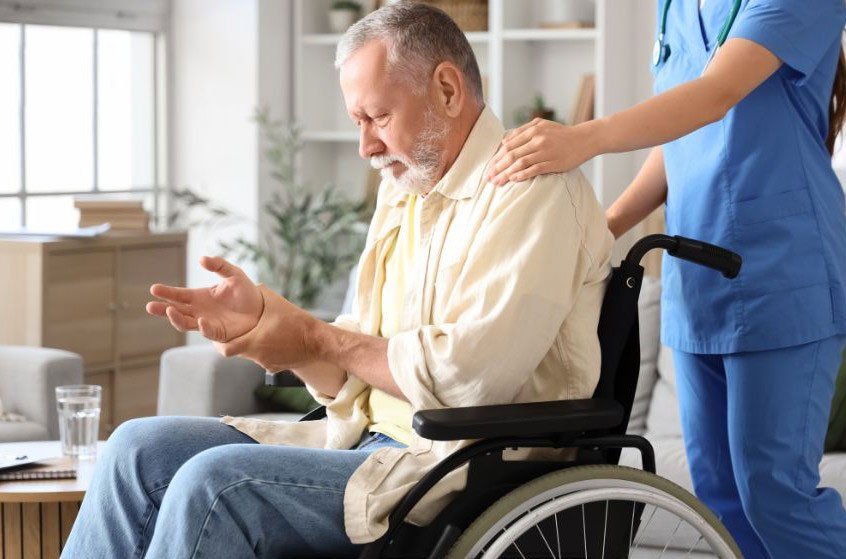
Stem cell research for Parkinson's Disease in India
Understanding the Condition

What Is Parkinson's Disease?

Parkinson's is a progressive neurological condition that affects movement, and often much more. Understanding what's happening in the brain helps explain both its symptoms and the challenges in treating it.

Parkinson's disease occurs when nerve cells in a part of the brain called the substantia nigra gradually break down or die. These cells are responsible for producing dopamine, a chemical messenger that helps coordinate smooth, controlled movement. As dopamine levels drop, the characteristic motor symptoms of Parkinson's — tremor, stiffness, and slowed movement — begin to appear.

By the time symptoms become noticeable, a significant portion of these dopamine-producing cells have often already been lost, which is part of why Parkinson's is typically diagnosed based on symptoms rather than caught at a very early biological stage.

Parkinson's is also more than a movement disorder — many patients experience non-motor symptoms that can affect quality of life just as much, if not more, than the physical symptoms most people associate with the condition.
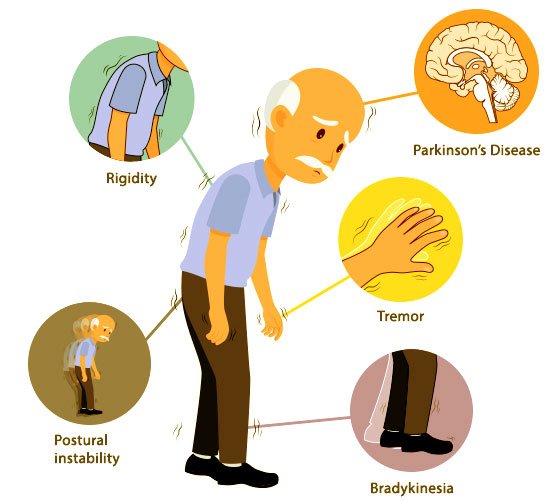
Parkinson's disease brain dopamine diagram

Motor vs. Non-Motor Symptoms

Motor Symptoms

  • Tremor, often starting in one hand at rest
  • Muscle stiffness or rigidity
  • Slowness of movement (bradykinesia)
  • Balance and coordination difficulties
  • Smaller, shuffling steps when walking

Non-Motor Symptoms

  • Sleep disturbances and vivid dreaming
  • Reduced sense of smell
  • Mood changes, including depression or anxiety
  • Cognitive changes in some patients over time
  • Digestive issues, including constipation

General Progression (Hoehn & Yahr Scale)

1
Mild

Symptoms on one side of the body only, minimal impact on daily life.

2
Moderate

Symptoms on both sides, without balance impairment.

3
Mid-Stage

Balance issues emerge; still physically independent.

4
Advanced

Significant disability; assistance often needed for daily tasks.

5
Severe

Wheelchair-bound or bedridden without assistance.

Candidacy

Is Research-Stage Treatment Worth Exploring?

Parkinson's research is active and genuinely promising in places, but still developing overall. Candidacy here is about whether it's worth a specialist conversation — not a guarantee of a specific outcome.

Where the research actually stands

Some of the more credible research involves transplanting lab-grown dopamine-producing cells directly into the brain, conducted through registered clinical trials with careful patient selection and long-term monitoring — this is not a walk-in outpatient procedure. Other approaches, like using mesenchymal stem cells for general neuroprotection, are earlier-stage and less established. No current stem cell approach reverses or halts Parkinson's disease; the realistic goal in legitimate research is symptom support or slowing progression, evaluated carefully over time.

Worth Discussing Further If:

  • ✓You have a confirmed Parkinson's diagnosis from a movement disorder specialist or neurologist.
  • ✓You're interested in registered clinical trials or accredited research programs, not unverified clinic injections.
  • ✓You understand this is investigational, and you're not expecting a cure or reversal of the condition.
  • ✓You're willing to continue your current medication and care plan alongside any exploration of newer options.

Be Especially Cautious If:

  • !A provider suggests you can stop or reduce your Parkinson's medication as part of the treatment.
  • !The offer promises reversal, cure, or "significant improvement" without reference to any clinical trial or peer-reviewed evidence.
  • !The procedure is performed at a standalone clinic rather than an accredited hospital or research institution.
  • !You have significant cognitive decline or other complications that haven't been properly assessed and stabilized first.

Our approach: If you reach out about Parkinson's disease, we connect you with a neurology specialist who reviews your diagnosis, current medication, and disease stage before discussing whether any research-stage option is genuinely relevant. We will never suggest changing your medication, and we'll be direct if the honest answer is that your current treatment plan remains the best path forward.

You're Not the Only One Asking

Who Reaches Out to Us About Parkinson's

People come to this page at very different points — here are a few situations we hear often. See which sounds closest to yours.

Newly Diagnosed, Exploring Every Option

You've recently been diagnosed and want to understand the full picture — not just medication, but everything that's genuinely worth knowing about, including research-stage options, before deciding on a path forward.

"I just want to know what's actually real, and what's just marketing."

Managing for Years, Looking for More

You've been living with Parkinson's for a while, your current treatment is helping to a degree, but you're wondering if there's anything else worth exploring to support your quality of life going forward.

"Medication helps, but I want to know if there's anything more."

A Family Member, Helping a Parent

You're researching on behalf of a parent or loved one — trying to understand the options so you can have an informed conversation with them, without overwhelming them or overpromising.

"I want to bring my dad real information, not false hope."

Planning Ahead

What Does This Typically Cost?

We know cost is often one of the first things families want a sense of — even a rough range, before you commit to reaching out. Here's honest context to help you plan.

Typical Starting Range
$4,000 – $12,000 USD

This is a general planning range, not a quote. Actual cost depends heavily on the specific approach being considered, which is only determined after a specialist reviews your case.

Type of Approach

Registered clinical trial participation, if available, differs significantly in cost structure from other supportive approaches.

Hospital & Specialist

Costs vary by the hospital's facilities and the treating neurologist's experience level.

Disease Stage & Health

Overall health, disease stage, and any additional monitoring needed can affect the total cost.

Travel & Length of Stay

If assessment or monitoring requires an extended stay, travel and accommodation costs add to the total.

We won't ask for any payment before you receive a specialist's honest opinion on your case. A written, itemized estimate — with no hidden costs — is only shared after your reports have been properly reviewed.

No Pressure, Just Clarity

What Happens When You Reach Out

Whether you're asking for yourself or on behalf of a parent, contacting us doesn't mean committing to anything. Here's exactly what to expect.

1

Share the Diagnosis

Send the neurologist's diagnosis, current medications, and a short note on symptoms — yours or your loved one's.

2

A Specialist Reviews the Case

A neurology specialist reviews the case and responds, typically within 24 hours.

3

You Get an Honest Opinion

You'll hear plainly whether anything is worth exploring further — including if the answer is no. No obligation, no pressure, no sales call.

✓ No cost for the initial review
✓ Fine to enquire on behalf of a parent
✓ Your information stays confidential
Share the Case — It's Free → Prefer to talk it through first? Message us on WhatsApp.

Traveling With Parkinson's — We Plan Around That

Mobility, fatigue, and comfort matter more when traveling with Parkinson's. Our coordination accounts for that from the start, especially when arranging travel for an elderly parent.

Visa Assistance

Support with invitation letters and medical visa guidance

Wheelchair & Mobility Support

Assistance arranged at airports and during transit, if needed

Comfortable, Nearby Stay

Accommodation chosen close to the hospital, minimizing travel fatigue

Airport Pickup

Met on arrival and transported directly, no navigating alone

Caregiver Accommodation

Arrangements made for a family member or caregiver traveling along

Common Questions

Frequently Asked Questions

Honest answers to what patients and families most often ask about stem cell research for Parkinson's disease.

Can stem cell therapy cure Parkinson's disease? +

No. There is currently no cure for Parkinson's disease. Some research — particularly transplanting lab-grown dopamine-producing cells — has shown promising early results in registered clinical trials, but this remains investigational. No current treatment reverses or halts the underlying loss of dopamine-producing neurons.

Should we stop or reduce Parkinson's medication to try this? +

No. Medication such as levodopa remains the foundation of Parkinson's management, and should never be reduced or stopped without your neurologist's explicit guidance. Any legitimate specialist will treat research-stage options as something explored alongside your current care, not a replacement for it.

I'm asking on behalf of my parent — is that okay? +

Absolutely — this is very common, and we're happy to work with you directly. You can share their diagnosis, current medications, and a summary of symptoms on their behalf, and we'll keep you informed throughout. Many families prefer to gather information first before involving their parent, and that's completely fine.

Does the stage of Parkinson's affect what's possible? +

Yes. Disease stage, overall health, and any additional complications (such as significant cognitive decline) all factor into whether a specialist believes any research-stage option is worth discussing further. This is exactly why an individual case review matters more than general claims about "Parkinson's treatment" as a whole.

Is it safe for an elderly patient to travel for this? +

This depends on the individual's overall health, mobility, and how well their symptoms are currently managed. We factor this into planning — including arranging mobility assistance, comfortable and nearby accommodation, and a realistic itinerary that doesn't add unnecessary strain. Your specialist's assessment will also help determine what's appropriate.

What reports should we share for an initial opinion? +

A confirmed diagnosis from a neurologist or movement disorder specialist, current medications and dosages, how long symptoms have been present, and any recent changes in condition. This is usually enough for our partner specialists to give an initial, honest opinion.

What if the specialist says treatment isn't appropriate right now? +

Then we'll tell you that clearly, along with the reasoning. Our goal is an honest opinion, not a booking. If the current treatment plan remains the best path forward, we'll say so — and you're always free to revisit the conversation later if your situation changes.

Have a diagnosis and want an honest specialist opinion?

Share the Case for Review →
Scroll to Top