
Home › Stem Cell Therapy India › Conditions › Retinitis Pigmentosa
Eye & Retinal Conditions

Stem Cell Therapy for Retinitis Pigmentosa in India

Retinitis pigmentosa is a genetic, progressive condition, and stem cell research in this area is still at an early stage. HealPassage connects patients only with accredited ophthalmology specialists in India who can offer a genuine, honest evaluation — not a same-day procedure promise.

A note on safety: Eye-related stem cell treatments carry real risks when performed outside regulated, accredited settings. We only work with ophthalmology specialists at established hospitals — never unregulated clinics.
👁 Reviewed by accredited ophthalmologists
🇮🇳 Hospital-based, not clinic-based care
📋 Honest evaluation of candidacy first
Stem cell research for Retinitis Pigmentosa in India
Understanding the Condition

What Is Retinitis Pigmentosa?

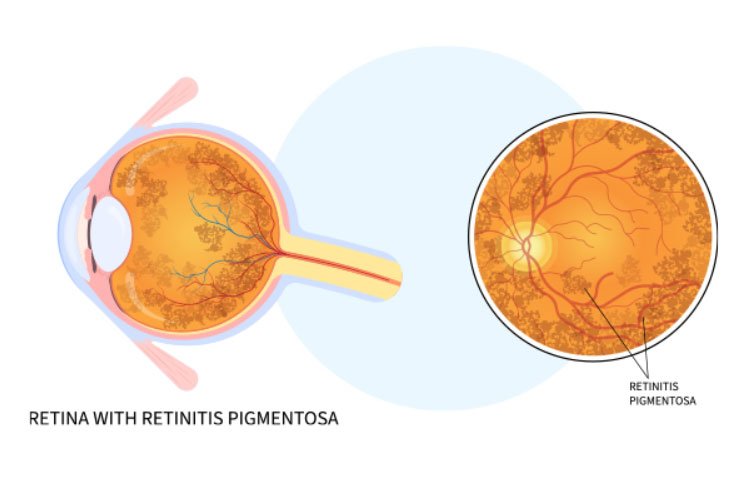
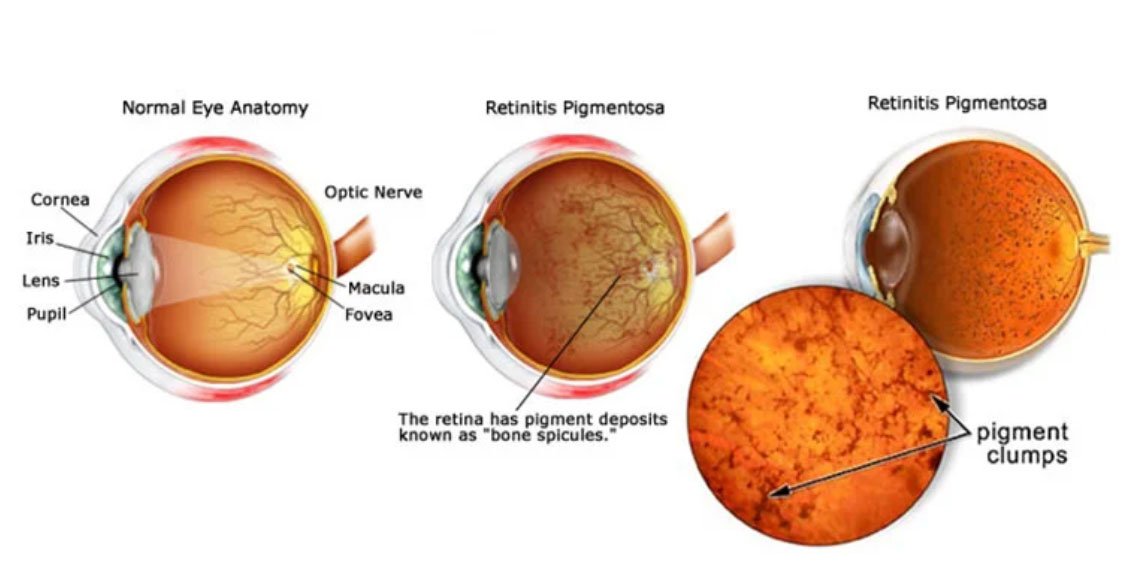
Retinitis pigmentosa (RP) is a group of rare, inherited eye disorders that cause the light-sensing cells of the retina to break down gradually over time.

Retinitis pigmentosa refers to a group of genetic conditions that cause progressive degeneration of the retina's photoreceptor cells — the rods and cones responsible for detecting light and color. Rod cells, which handle peripheral and low-light vision, are usually affected first, which is why night blindness is often the earliest noticeable symptom.

RP is caused by mutations in any of over 80 different genes identified so far, which is part of why the exact progression, severity, and age of onset can vary so much from person to person — even within the same family. It's typically inherited, though the pattern of inheritance (dominant, recessive, or X-linked) depends on the specific gene involved.

Because photoreceptor cells have very limited ability to regenerate once lost, RP is currently considered a progressive condition without a cure — which is exactly why claims of "reversing" vision loss should be approached with real caution, and why genuine research in this space is still developing carefully, mostly through structured clinical trials.
Retinitis pigmentosa retina diagram

How Retinitis Pigmentosa Typically Progresses

1
Night Vision Loss

Usually the earliest sign — difficulty seeing in low light or adjusting to darkness, often noticed in childhood or early adulthood.

2
Peripheral Vision Loss

Gradual narrowing of the visual field, sometimes described as "tunnel vision," as rod cells continue to degenerate.

3
Central Vision Changes

In later stages, cone cells may also be affected, impacting central vision, color perception, and fine detail.

Common Symptoms

Night Blindness

Significant difficulty seeing in dim light or adjusting to darkness.

Narrowing Field of Vision

Loss of peripheral (side) vision, often described as tunnel vision.

Slow Light Adaptation

Taking longer than usual to adjust when moving between light and dark spaces.

Reduced Central Vision

In advanced stages, difficulty with fine detail, reading, or color distinction.

Candidacy

Is This Worth Exploring for Your Case?

Because RP is genetic and progressive, and because eye-directed treatments carry real risk when done outside proper settings, candidacy here is about whether it's worth a specialist conversation — not a guarantee of treatment.

Be especially cautious with any eye-injection procedure

There have been serious, documented cases of patients suffering permanent vision loss after unproven stem cell injections into the eye at unregulated clinics. This history applies directly to RP treatment offers, not just macular degeneration. We only work with licensed ophthalmologists at accredited hospitals, and we encourage you to ask hard questions of any provider — including us — before proceeding with anything.

Reasonable to Discuss Further If:

  • ✓You have a confirmed RP diagnosis, ideally with genetic testing identifying the specific mutation involved.
  • ✓You're interested in understanding registered clinical trials or accredited research programs relevant to your specific gene mutation, where available.
  • ✓You understand this is investigational, and you're not expecting restored vision as a likely outcome.
  • ✓You're willing to continue regular monitoring with your existing ophthalmologist alongside any exploration of other options.

Be Especially Cautious If:

  • !A provider promises restored vision or a cure — no legitimate specialist can promise this for RP today.
  • !The treatment is offered at a standalone clinic rather than an accredited hospital or recognized research center.
  • !You're asked to have both eyes treated on the same day — a known red flag from documented cases of serious harm.
  • !You haven't had comprehensive retinal imaging and genetic counseling from an independent ophthalmologist first.
  • !You feel rushed into a decision without time to research or seek a second opinion.

Our approach: If you reach out about retinitis pigmentosa, we start by connecting you with an accredited ophthalmologist for a genuine evaluation of your retinal health and, where relevant, your genetic diagnosis — not by booking a procedure. If there's no appropriate option for your case right now, we'll tell you honestly, and help you understand what monitoring or low-vision support resources might help in the meantime.

Beyond the Treatment Question

Living With RP: Support That Can Help Right Now

Whether or not a research-stage treatment is relevant to your case, there are practical, well-established resources that can genuinely improve daily life with RP — and we're happy to point you toward them.

Genetic Counseling

Identifying the specific gene mutation involved can clarify how the condition may progress, whether family members should be tested, and whether you'd qualify for any mutation-specific clinical trials in the future.

Low-Vision Aids & Devices

Magnification tools, contrast-enhancing glasses, and adaptive lighting can meaningfully improve day-to-day function, especially for reading and close tasks, even as the condition progresses.

Orientation & Mobility Training

Specialized training helps build confidence navigating familiar and unfamiliar spaces safely as peripheral vision narrows, often making a bigger day-to-day difference than people expect.

Patient Support Communities

Connecting with others living with RP — through patient organizations and support groups — can offer practical, lived-experience advice that's hard to get anywhere else.

Our position: If you reach out to us and a research-stage treatment isn't the right fit for your case, we won't leave you without direction. Where possible, we'll point you toward genetic counseling services, low-vision specialists, and patient support resources — because helping you find the right next step matters more to us than whether that step involves us.

No Pressure, Just Clarity

What Happens When You Reach Out

Contacting us doesn't mean committing to treatment. Here's exactly what to expect — nothing more.

1

Share Your Reports

Send your retinal imaging, diagnosis, and a short note about your condition via the form or WhatsApp.

2

A Specialist Reviews Your Case

An accredited ophthalmologist looks at your case and gets back to you, typically within 24 hours.

3

You Get an Honest Opinion

You'll hear plainly whether any option is worth exploring for you — including if the answer is no. No obligation to proceed.

✓ No cost for the initial review
✓ No pressure to book anything
✓ Your information stays confidential

More Than Medical Coordination — Full Travel Support

We handle the logistics of traveling for treatment, so you can focus on your health.

Visa Assistance

Support with invitation letters and medical visa guidance

Currency & Payment

Multiple payment options and upfront cost clarity

Language Support

Translators available so nothing gets lost in communication

Airport Pickup

Met on arrival and transported directly to your accommodation

Stay Arrangements

Guidance on accommodation near your treatment facility

Common Questions

Frequently Asked Questions

Honest answers to what patients and families most often ask about retinitis pigmentosa and stem cell research.

Is there a stem cell treatment that can cure retinitis pigmentosa? +

No. There is currently no approved cure for retinitis pigmentosa. Some approaches — such as lab-grown retinal cell transplants and gene-specific therapies — are being studied in registered clinical trials, with results varying by the specific gene mutation involved. This remains an active area of research, not an established or widely available treatment.

Is it safe to get a stem cell injection for RP? +

Safety depends entirely on where and how it's performed. There have been serious, documented cases of patients experiencing permanent vision loss after unproven stem cell eye injections at unregulated clinics — this history is directly relevant to RP, not just other eye conditions. When performed by qualified ophthalmologists within accredited hospitals and recognized research protocols, risk is far better managed, but never zero.

Does knowing my specific gene mutation matter? +

Yes, significantly. RP is caused by mutations in over 80 different genes, and some of the more targeted research (including certain gene therapies) is specific to particular mutations. Genetic testing can help clarify your specific diagnosis and may reveal whether you're eligible for a relevant clinical trial, even if a general "RP treatment" isn't applicable to your case.

Can stem cell therapy restore vision I've already lost? +

Currently, there's no reliable evidence that any stem cell approach can restore vision already lost to retinitis pigmentosa. Research is generally focused on trying to slow further photoreceptor loss or, in very early-stage trials, replace some lost cells — not reversing existing vision loss. Be cautious of any provider promising restored vision as a likely outcome.

What should we ask before considering any treatment for RP? +

Ask whether the approach is part of a registered clinical trial, whether it's relevant to your specific gene mutation, what the documented risks are (not just potential benefits), whether both eyes would be treated at once (a red flag), and whether the facility is an accredited hospital rather than a standalone clinic. A legitimate specialist will answer all of this directly.

What if there's no treatment appropriate for my case right now? +

We'll tell you honestly if that's the case. RP progresses differently for everyone, and not every stage or mutation type has a relevant research option available today. Where possible, we'll point you toward genetic counseling, low-vision support, and orientation and mobility resources that can genuinely help in the meantime.

What happens if I share my case with HealPassage? +

We'll ask for your diagnosis, any genetic testing results, and recent retinal imaging. This is reviewed by an accredited ophthalmologist who will give you an honest opinion — including telling you directly if no research-stage option applies to your case, without any pressure to book anything.

Have a diagnosis and want an honest specialist opinion?

Share Your Case for Review →
Scroll to Top