
Stem Cell Therapy for Type 1 Diabetes in India
Type 1 diabetes is an autoimmune condition, and stem cell research in this area is still evolving. HealPassage connects patients with endocrinology and regenerative medicine specialists in India who can offer an honest evaluation of where the science currently stands for your specific case.
Type 1 diabetes currently has no approved cure. Insulin therapy remains the standard of care — any regenerative approach should be considered as a research-stage option to discuss with your specialist, not a replacement for insulin.
What Is Type 1 Diabetes?
Understanding how Type 1 diabetes differs from Type 2 is essential context for evaluating any regenerative treatment approach — the underlying disease process is fundamentally different.
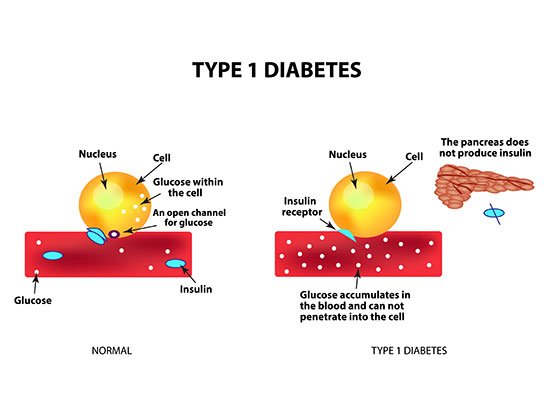
Type 1 diabetes is an autoimmune condition in which the body's immune system mistakenly attacks and destroys the insulin-producing beta cells in the pancreas. Without these cells, the body can no longer produce enough insulin to regulate blood sugar, making lifelong insulin therapy a medical necessity rather than a choice.
Unlike Type 2 diabetes, Type 1 isn't caused by lifestyle factors and typically develops in childhood or early adulthood, though it can appear at any age. The exact trigger for the autoimmune attack isn't fully understood, though genetics and environmental factors (such as certain viral infections) are believed to play a role.
This autoimmune nature is exactly why stem cell research for Type 1 diabetes is more complex than for many other conditions — any new beta cells introduced into the body would still be vulnerable to the same immune attack, unless the underlying autoimmune process is also addressed.
Type 1 vs. Type 2 Diabetes: Why It Matters Here
Type 1 Diabetes
The immune system destroys the pancreas's own insulin-producing cells. The body produces little to no insulin. Requires lifelong insulin therapy from diagnosis. Any regenerative approach must also contend with the ongoing autoimmune attack, not just cell replacement.
Type 2 Diabetes
The body becomes resistant to insulin, or doesn't produce enough relative to its needs, but beta cells aren't being actively destroyed by the immune system in the same way. Often linked to lifestyle and metabolic factors, and managed differently.
Common Symptoms
Excess Thirst
Unusual, persistent thirst despite drinking fluids regularly.
Frequent Urination
Needing to urinate more often, including at night.
Unexplained Weight Loss
Losing weight despite normal or increased appetite.
Fatigue
Persistent tiredness, even after adequate rest.

What's Actually Being Studied for Type 1 Diabetes
Research in this space falls into a few distinct approaches, each at a different stage of development. Here's an honest look at each.
Stem Cell–Derived Beta Cells
Clinical Trials OngoingScientists are growing insulin-producing beta cells in the lab from stem cells, then implanting them into patients. Some early clinical trial participants have shown meaningfully reduced insulin requirements. This remains investigational, requires immune-suppressing medication to protect the new cells, and is only available through registered trials — not as a standard clinic procedure.
Encapsulated Islet Cell Devices
Clinical Trials OngoingInsulin-producing cells are placed inside a protective capsule or device implanted under the skin, designed to shield the cells from immune attack without requiring full immunosuppression. This approach is promising specifically because it addresses the autoimmune challenge directly, but is still being refined and tested for long-term reliability.
Immune Modulation with Mesenchymal Stem Cells (MSCs)
Early-Stage ResearchSome research explores whether MSCs can help calm the autoimmune response that destroys beta cells in the first place, potentially preserving whatever natural insulin production remains — particularly if used soon after diagnosis. Evidence here is still preliminary, and results vary considerably between studies.
Islet Cell Transplantation (Donor-Based)
Established, Limited UseNot new stem cell technology, but a related and more established procedure — transplanting insulin-producing islet cells from a donor pancreas. It has helped some patients reduce or, in select cases, come off insulin, but requires lifelong immunosuppression and is generally reserved for patients with severe, difficult-to-control diabetes due to the trade-offs involved.
Why the autoimmune factor matters
Unlike orthopedic or tissue-repair applications, simply introducing new insulin-producing cells into a Type 1 diabetic's body doesn't solve the underlying problem — the immune system will attack new beta cells the same way it attacked the original ones, unless the treatment also addresses immune protection or modulation. This is why the most credible research in this field pairs cell therapy with an immune-related strategy, and why "just inject stem cells" offers, without this component, warrant real skepticism.
Is Research-Stage Treatment Worth Exploring for You?
Given how early this research still is, candidacy here is about whether it's worth investigating further with a specialist — not a guarantee of eligibility for any specific treatment.
Never stop or reduce insulin without your doctor's direct supervision
Insulin therapy is a medical necessity for Type 1 diabetes, not an optional treatment. Regardless of any stem cell or regenerative treatment you may explore, insulin should never be reduced, paused, or stopped without explicit guidance from your treating endocrinologist — doing so can be life-threatening (diabetic ketoacidosis). Any legitimate specialist will tell you the same.
Worth Discussing Further If:
- ✓You've been diagnosed with Type 1 diabetes, especially relatively recently — some research suggests earlier intervention may better preserve remaining beta cell function.
- ✓You're interested in registered clinical trials or accredited research programs, not standalone clinic procedures.
- ✓You understand this is investigational, and you're not looking for a replacement for insulin therapy at this time.
- ✓You're willing to continue working closely with your existing endocrinologist throughout any exploration of these options.
Be Especially Cautious If:
- !A provider suggests you can reduce or stop insulin as part of the treatment — this is a serious red flag.
- !The offer promises "insulin independence" or a cure without reference to ongoing clinical trials or peer-reviewed evidence.
- !You have poorly controlled blood sugar, frequent hypoglycemia, or other active complications — these need to be stabilized first.
- !The treatment doesn't address how new or supported beta cells would be protected from the ongoing autoimmune response.
Our approach: If you reach out about Type 1 diabetes, we connect you with an endocrinology specialist who reviews your current management, HbA1c history, and overall health before discussing whether any research-stage option is relevant to your case. We will never suggest reducing your insulin, and any specialist we work with operates under the same principle.
Frequently Asked Questions
Honest answers to what patients and families most often ask about stem cell research for Type 1 diabetes.
No. There is currently no approved cure for Type 1 diabetes. Some research approaches — such as lab-grown beta cells and encapsulated islet cell devices — have shown promising early results in clinical trials, with some participants needing significantly less insulin. But these remain investigational, are only available through registered trials, and are not a proven or widely available cure.
Clinical studies show an overall efficacy rate of 70% to 80% when treated in the early stages of the disease. The therapy helps modulate the autoimmune response, preserve remaining pancreatic beta cells, improve HbA1c levels, and significantly reduce daily insulin dependence.
You should not stop or reduce insulin unless your treating endocrinologist explicitly advises it based on your specific medical situation. Even in successful clinical trials, most participants continued some level of insulin support, at least initially. Any provider suggesting you can stop insulin as part of a stem cell treatment should be treated with serious caution — this can be dangerous.
Because Type 1 diabetes is autoimmune — the body's immune system actively destroys insulin-producing cells. Simply adding new beta cells doesn't solve the problem unless those cells are also protected from the same immune attack, through immunosuppression or protective encapsulation. This is why the most credible research pairs cell therapy with an immune-related strategy, rather than cell injections alone.
It may. Some research suggests that intervening earlier — while some natural beta cell function may still remain — could offer better outcomes for certain immune-modulation approaches. This isn't a hard rule, and a specialist would need to review your specific diagnosis history and current beta cell function to advise on this.
Most of the more advanced approaches (stem cell-derived beta cells, encapsulation devices) are only available through registered clinical trials, which may or may not currently be enrolling in India. Our role is to connect you with specialists who can give you an honest, current picture of what's actually accessible — rather than presenting unproven procedures as standard treatment.
In India, advanced stem cell therapy for Type 1 diabetes is provided at major tertiary-care hospitals and specialized regenerative medicine clinics in key cities like Mumbai, Delhi-NCR, Bangalore, and Pune. These centers combine clinical expertise with state-of-the-art laboratory infrastructure.
In India, the cost typically ranges from $6,500 to $8,500 USD. The total price depends on the stem cell source (e.g., umbilical cord or bone marrow), the number of required cycles/infusions, and hospital stay charges.
We'll ask for your diagnosis history, recent HbA1c levels, current insulin regimen, and any complications. This is reviewed by an endocrinology specialist who will give you an honest opinion on whether any research-stage option is relevant to your case — and will be direct with you if the answer is no, or if the best path forward is simply optimizing your current management.
Yes — as with any investigational treatment, there are risks, which vary depending on the specific approach (for example, immunosuppression carries its own risks of infection). A qualified specialist should walk you through the specific risks relevant to any approach being discussed, not just the potential benefits, before you make any decision.
Want an honest specialist opinion on your specific case?
Share Your Case for Review →Related Conditions We Treat
Stem cell therapy may also help with these related conditions. Explore your options below.
Type 2 Diabetes
Regenerative therapy for insulin resistance and blood sugar management.
Learn More →Neuropathy
Targeted treatment for nerve damage, a common diabetes complication.
Learn More →Chronic Pain
Long-term pain relief through regenerative, minimally invasive care.
Learn More →Rheumatoid Arthritis
Autoimmune joint therapy using the same regenerative approach.
Learn More →Lupus
Immune-modulating stem cell treatment for autoimmune conditions.
Learn More →Anti-Aging Treatments
Regenerative therapies to support overall cellular health and vitality.
Learn More →